The Energy Footprint of Evolving Logistics: A New Demand Driver?
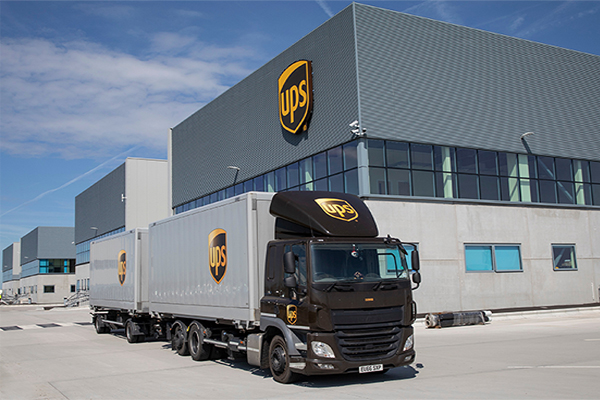
UPS’s recent $1.6 billion acquisition of Canada’s Andlauer Healthcare Group might seem, at first glance, tangential to the core interests of oil and gas investors. However, a deeper dive reveals significant implications for energy demand, fuel market dynamics, and the operational resilience of energy-dependent sectors. This strategic move, expanding UPS’s cold chain and pharmaceutical shipping capabilities across North America, underscores a growing segment of the logistics industry that is inherently energy-intensive. As global supply chains continue to specialize and demand for temperature-sensitive transport rises, investors must recognize the hidden energy footprint this creates, impacting everything from diesel consumption to the long-term demand for refined products.
Navigating Fuel Volatility: A Critical Challenge for Logistics Giants
The operational efficiency of any major logistics player like UPS is inextricably linked to fuel costs. This week, we’ve witnessed significant volatility in the crude markets, creating a dynamic backdrop for such strategic expansions. As of today, Brent Crude trades at $90.38, marking a notable 9.07% decline within the day, with a range fluctuating between $86.08 and $98.97. Similarly, WTI Crude stands at $82.59, down 9.41%. This steep daily drop comes on the heels of a broader downward trend, with Brent having fallen nearly 20% from $112.78 just two weeks ago. For logistics companies, this translates to immediate, albeit unpredictable, changes in their operating expenses. The expansion into cold chain services, which requires consistent temperature control for sensitive products, means a higher and more stable demand for energy. While a dip in prices offers some short-term relief, the overarching volatility presents a continuous challenge for budgeting, hedging strategies, and ultimately, profitability. Investors in the energy sector should monitor how these logistics giants manage their exposure to such swings, as their demand patterns directly influence the market for diesel and jet fuel.
Upcoming Events to Shape Future Fuel Costs and Logistics Strategy
Looking forward, the near-term trajectory of crude prices, and by extension, the fuel costs for an expanded logistics network, will be heavily influenced by several key events on the energy calendar. Investors are keenly asking about OPEC+ production quotas and what the price of oil will be by the end of 2026, signaling deep concern over supply-side stability. The upcoming OPEC+ Joint Ministerial Monitoring Committee (JMMC) Meeting on April 19th, followed by the full Ministerial Meeting on April 20th, will be critical. Any shifts in production policy from these gatherings could send ripples through the market, directly impacting the price of gasoline and diesel. Further insights will come from the API Weekly Crude Inventory reports on April 21st and 28th, and the EIA Weekly Petroleum Status Reports on April 22nd and 29th. These inventory figures offer a snapshot of market balance and can influence short-term price movements. For a logistics company like UPS, operating an expanding cold chain network, these events aren’t just market noise; they are direct inputs into their operational planning and financial outlook. Energy investors should consider how the outcomes of these events will shape the cost environment for major industrial consumers, providing a clearer picture of demand-side resilience.
Investor Focus: Diversification and Long-Term Energy Demand Shifts
The UPS acquisition represents more than just a corporate expansion; it signals a strategic pivot towards higher-value, specialized logistics services. For investors in the broader energy market, this trend is worth analyzing. While the direct energy consumption of pharmaceutical and cold chain logistics might seem niche, its consistent and non-discretionary nature provides a resilient demand floor for specific refined products. Unlike general cargo, which can fluctuate with economic cycles, healthcare logistics often maintains demand even in downturns. This shift by a major player like UPS indicates a broader industry trend towards diversification and specialization to mitigate economic risks. What does this mean for energy investors? It suggests that even as the world debates energy transition, specific, high-value industrial applications will continue to drive robust demand for traditional fuels and specialized petrochemicals (for packaging, insulation, etc.). This strategic move by UPS highlights the ongoing, essential role of reliable energy in supporting critical infrastructure, offering a counter-narrative to predictions of solely declining fossil fuel demand across all sectors. Investors should observe how other major logistics firms adapt, as their collective strategies will continue to shape the global energy demand landscape and present specific opportunities within the refined products market.