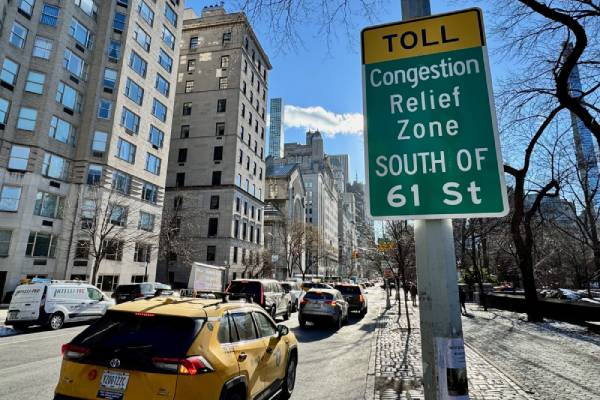
The confirmation of New York City’s controversial congestion pricing program, following a federal judge’s ruling to block efforts to dismantle it, marks a significant and enduring development for urban transportation and, by extension, localized fuel demand. For investors tracking the intricate dance of supply and demand in the energy markets, this decision solidifies a new, persistent demand-side factor in one of the world’s largest metropolitan areas. This isn’t merely a local traffic measure; it’s a structural shift that will influence gasoline and diesel consumption, logistics costs, and potentially set a precedent for other dense urban centers globally, demanding careful consideration in any comprehensive investment thesis.
NYC Congestion Pricing: A Confirmed Headwind for Localized Fuel Demand
The federal court’s decision ensures that New York City’s congestion pricing scheme, launched in early 2025, will continue to operate, with drivers incurring a fee to enter Manhattan south of 60th Street during peak hours. This program, spearheaded by the Metropolitan Transportation Authority, aims to alleviate gridlock and generate revenue for public transit upgrades. Passenger vehicles typically face a toll of approximately $9 for peak-period entry, with commercial vehicles and trucks bearing even higher charges. While legal and political battles may persist, the judge’s ruling has effectively cemented the program’s immediate future, making its impact a tangible reality for commuters, delivery services, and logistics companies operating within the city.
State officials have already claimed success, reporting millions of vehicles diverted from Manhattan’s busiest corridors since the program’s inception. This reduction in vehicle miles traveled (VMT) within the congestion zone directly translates to diminished gasoline and diesel consumption in a concentrated area. While the direct impact on global fuel demand might appear marginal, the cumulative effect of such policies in major urban centers cannot be overlooked. For energy investors, this represents a structural, policy-driven headwind to localized fuel demand, a factor that, if replicated, could contribute to broader demand erosion over time. It underscores the increasing importance of analyzing granular, regional policy shifts alongside macroeconomic trends.
Market Dynamics Amidst Localized Demand Pressures
The sustained implementation of NYC congestion pricing arrives at a time when crude oil markets are experiencing notable fluctuations. As of today, Brent Crude trades at $90.38, while WTI Crude stands at $82.59. Gasoline prices are at $2.93 per gallon. These figures reflect a recent downturn, with Brent having experienced a significant decline of nearly 20% over the past month, falling from $112.78 on March 30th to its current level. This broader market softening highlights the sensitivity of prices to demand signals, even as supply dynamics remain a primary concern.
While the overall direction of crude prices is dictated by a multitude of global factors – including geopolitical tensions, OPEC+ output decisions, and global economic growth forecasts – localized demand destruction, such as that stemming from congestion pricing, adds another layer of complexity. Investors are actively seeking clarity on the trajectory of crude prices, with reader inquiries frequently asking “is WTI going up or down” and seeking predictions for “the price of oil per barrel by end of 2026.” The impact of congestion pricing, by reducing vehicle usage and fuel consumption in a high-density area, offers a concrete example of how policy choices can influence demand at the micro level, contributing to the overall demand picture that investors are so keenly scrutinizing. This localized policy, while small in isolation, adds to the cumulative pressures on demand, making the path of least resistance for fuel prices potentially downwards in specific regions.
Logistics Costs and Investor Inquiries
The ripple effects of congestion pricing extend far beyond individual commuters, profoundly impacting the logistics and supply chain sectors. Truck drivers, who face higher tolls than passenger vehicles, are already reporting increased operational costs for delivering goods into Manhattan. This directly translates to higher delivery fees for businesses and, ultimately, for consumers. The debate rages on: critics highlight the unfair financial burden on essential services and businesses, while supporters argue that reduced gridlock could ultimately lead to faster, more efficient deliveries, offsetting some of the toll costs.
Our proprietary reader intent data reveals a strong investor focus on market direction and company performance, with specific questions about the outlook for companies like Repsol and general oil price predictions. The implications for logistics costs from congestion pricing are directly relevant to these concerns. Increased operational expenses for businesses reliant on transportation, especially last-mile delivery in major urban centers, can squeeze profit margins and contribute to inflationary pressures for goods and services. For investors, understanding these localized cost increases and their potential impact on consumer spending and corporate profitability is crucial. It highlights how seemingly localized policies can have broader economic ramifications that influence investment decisions across various sectors, not just energy.
Navigating Future Signals and Strategic Outlook
While the legal skirmishes surrounding NYC congestion pricing may not be entirely concluded, with federal officials reportedly reviewing the ruling and considering an appeal, the current reality is that the toll cameras will continue to operate. This permanence demands that investors integrate this localized demand headwind into their broader energy market analysis. However, it’s vital to place this specific development within the larger context of upcoming energy market catalysts, which will ultimately dictate the overall direction of crude and refined product prices.
Over the next two weeks, the energy calendar is packed with critical events. Investors will be closely watching the OPEC+ JMMC Meeting on April 20th, followed by the full OPEC+ Ministerial Meeting on April 25th. These gatherings are pivotal for global supply strategies, as any adjustments to production quotas can significantly impact crude prices. Alongside these, the API Weekly Crude Inventory reports (April 21st and 28th) and the EIA Weekly Petroleum Status Reports (April 22nd and 29th) will offer crucial snapshots of U.S. supply and demand balances, providing insights into refinery activity and storage levels. Furthermore, the Baker Hughes Rig Count on April 24th and May 1st will serve as an indicator of future domestic production trends. While NYC’s congestion pricing represents a tangible, policy-driven reduction in localized demand, the interplay of these global supply-side decisions and broader economic indicators will ultimately shape the energy market’s trajectory. Savvy investors will be analyzing how these macro and micro forces converge to influence pricing and opportunity.