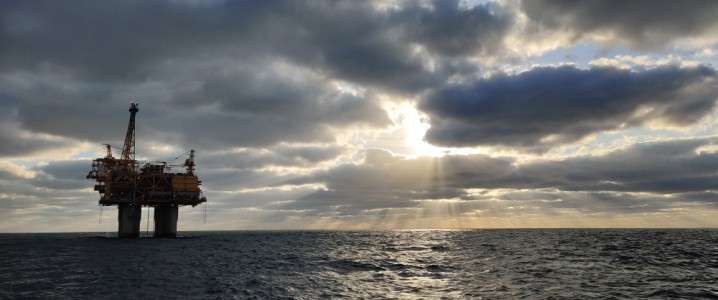
Turkey is set to embark on a landmark deepwater drilling campaign in Somalia, a move that signals Ankara’s aggressive push for energy independence and marks its first international deepwater exploration venture. This high-stakes initiative, announced by Turkey’s energy minister, positions Somalia as a critical frontier in the global oil and gas landscape, potentially unlocking vast untapped reserves. For investors, this represents a classic high-risk, high-reward proposition, blending significant geological promise with formidable operational and geopolitical challenges. Our analysis delves into the strategic rationale, market context, inherent risks, and forward-looking catalysts that will shape the investment narrative around this ambitious undertaking.
The Strategic Imperative: Turkey’s Somali Deepwater Gambit
Turkey’s foray into deepwater exploration offshore Somalia next month is a pivotal step in its broader energy diversification strategy. The 2024 energy exploration agreement between the two nations underpins Ankara’s drive to reduce its reliance on energy imports, a long-term strategic objective. Turkish Petroleum, the state-owned entity, has been laying the groundwork, having initiated seismic studies in October of last year. These surveys covered three distinct exploration zones, each spanning approximately 5,000 square kilometers, or about 1,930 square miles, highlighting the scale of the potential play.
Somalia itself is believed to harbor substantial hydrocarbon potential, with some estimates suggesting reserves of 30 billion barrels or more. This potential attracted supermajors prior to 1991, but decades of conflict and instability led to their withdrawal. Turkey, a significant investor in Somalia since 2011, is now stepping into this void, leveraging its established diplomatic and economic ties. While initial drilling is slated for next month, the energy minister indicated that 2026 would likely be a more extensive drilling year for offshore operations, underscoring the multi-year horizon for this frontier exploration.
Navigating Volatility: Market Prices and the Long Game
The investment climate for frontier exploration is always influenced by broader market dynamics, yet these long-cycle projects operate on a different timeline than daily price fluctuations. As of today, Brent Crude trades at $90.24, reflecting a slight dip of 0.21% within a daily range of $93.87 to $95.69. Similarly, WTI Crude stands at $86.68, down 0.85% for the day. While these daily movements can trigger investor questions about whether “WTI is going up or down” in the short term, they belie a more significant trend. Over the past 14 days, Brent crude has seen a substantial decline of nearly 20%, plummeting from $118.35 on March 31st to $94.86 on April 20th.
This short-term volatility underscores the challenges of investing in oil and gas. However, a deepwater project like Somalia, with an initial exploration cost estimated at around $500 million and a production horizon stretching years into the future, is fundamentally a bet on the long-term structural supply and demand balance, not daily swings. Investors evaluating this play must consider that the economics of any potential discovery will be judged against the projected market conditions of the 2030s and beyond, making the current price environment a backdrop rather than the sole determinant of success.
Unpacking the Risks: Geopolitics, Infrastructure, and Security
While the geological potential of Somalia is enticing, the practical realities of operating in such an environment present significant hurdles. Turkey’s energy minister candidly acknowledged these challenges, noting the absence of basic infrastructure, such as roads to access drilling areas, which necessitates substantial upfront investment in supporting logistics. This infrastructure deficit alone adds considerable cost and complexity to the exploration timeline.
Perhaps the most critical concern is security. Somalia’s long history of internal conflict and instability poses an elevated risk to personnel and assets. This security environment directly impacts operational costs, insurance premiums, and the overall viability of long-term development. The estimated $500 million for exploration is just the beginning; any successful discovery would require billions in further investment to develop, and that capital will only flow if security and infrastructure risks can be effectively mitigated. Investors must weigh Turkey’s established presence and influence in the region against the inherent dangers of operating in a historically volatile area, understanding that the frontier nature of this play extends beyond geology to geopolitics.
Forward-Looking Catalysts and Investor Outlook
For investors monitoring this high-profile project, the coming months will offer several key data points, both macro and specific to Somalia. On the macro front, upcoming events will shape the broader energy market sentiment, influencing the attractiveness of any new discovery. We anticipate the OPEC+ Joint Ministerial Monitoring Committee (JMMC) meeting today, April 21st, which could provide crucial signals on near-term supply strategy. Subsequent EIA Weekly Petroleum Status Reports on April 22nd and April 29th, alongside the Baker Hughes Rig Count on April 24th and May 1st, will offer insights into current inventory levels and drilling activity.
A significant event for answering investor questions like “what do you predict the price of oil per barrel will be by end of 2026?” will be the EIA Short-Term Energy Outlook on May 2nd. This report will provide updated forecasts that can help frame the long-term outlook for oil prices, a critical factor for the commercial viability of deepwater projects. Closer to the project, the primary catalyst for Somalia will be the commencement of drilling next month and, more importantly, the results of these initial exploration wells into 2026. Success would significantly de-risk the play, attracting further investment and potentially validating the 30 billion-barrel potential. Conversely, dry wells would force a reassessment of Turkey’s ambitious deepwater strategy. Investors should watch for concrete drilling updates and any progress on infrastructure development, as these will be the true indicators of this frontier play’s trajectory.


