Turkey is poised for a transformative period in its energy landscape, with ambitious projects set to dramatically reshape its domestic supply capabilities and reduce its reliance on energy imports. From the imminent launch of its first nuclear reactor to a significant ramp-up in Black Sea natural gas production and accelerated growth in renewable energy sources, Ankara’s strategy is a multi-pronged offensive on energy insecurity. For global oil and gas investors, understanding these developments is crucial, as Turkey’s pivot towards self-sufficiency could have long-term implications for regional energy trade flows and future investment opportunities.
Nuclear Ambition: Akkuyu and the Rise of SMRs
At the heart of Turkey’s energy transformation is the Akkuyu Nuclear Power Plant, a colossal project spearheaded by Russia’s Rosatom. This facility, situated in Mersin Province, is designed to house four VVER-1200 reactors, boasting a total installed capacity of 4,800 megawatts. When fully operational, Akkuyu is projected to generate approximately 40 billion kilowatt-hours annually, sufficient to power a metropolis like Istanbul or cover around 10% of Turkey’s total electricity demand. Investors should note the critical timeline: the first reactor is anticipated to come online by late 2026, marking a significant milestone, with full operation across all four reactors targeted for 2028.
Beyond this conventional nuclear behemoth, Turkey is also exploring advanced nuclear technologies. Notably, the nation’s prominent drone manufacturer, Baykar, is actively engaged in developing small modular reactors (SMRs), with plans for a 40-megawatt unit already underway. This initiative aligns with the Turkish government’s broader aspiration to generate 5,000 megawatts from SMRs, complementing a long-term goal of building 12 conventional nuclear reactors to derive 10-15% of its electricity from nuclear energy by 2050. This dual-track approach to nuclear power underscores a deep commitment to diversifying the energy mix and achieving substantial carbon reduction goals.
Black Sea Gas: A Domestic Supply Game-Changer
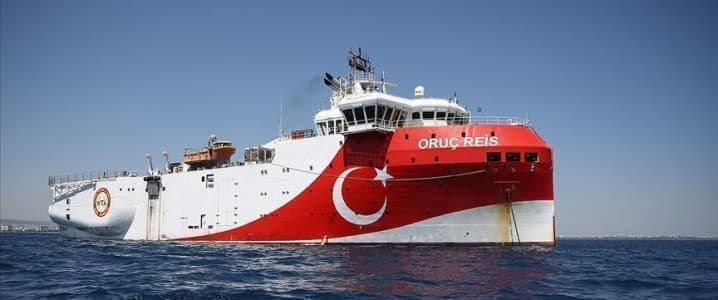
While nuclear power builds its foundation, Turkey is simultaneously accelerating its domestic natural gas production, primarily through the ambitious development of its Black Sea gas fields. The jewel in this crown is the Sakarya offshore gas field, the largest discovery in Turkey’s history. Production from Sakarya commenced in April 2023, and projections indicate a doubling of output in 2026, targeting an impressive 40 million cubic meters per day by 2028. At its peak capacity, the Sakarya field could fulfill up to 30% of Turkey’s annual natural gas demand, significantly reducing its reliance on costly imports.
State-owned Turkish Petroleum Corporation (TPAO) is driving these efforts, with new drilling operations planned in the Black Sea to further unlock its hydrocarbon potential. Moreover, Turkey has expanded its exploration footprint beyond its immediate maritime borders, venturing into the Eastern Mediterranean, Libya, and Somalia, often in strategic partnerships. This aggressive exploration and development strategy in natural gas represents a direct investment into long-term energy security and positions Turkey as a potentially more stable energy market player, less exposed to global gas price volatility.
Navigating Market Volatility: Investor Focus on Energy Independence
The global energy market continues to exhibit significant volatility, a factor that only amplifies the strategic value of Turkey’s drive for energy independence. As of today, Brent Crude trades at $90.66 per barrel, showing a modest daily increase of 0.25%, while WTI Crude stands at $87.37, down 0.06%. However, looking at the broader trend, Brent has seen a notable decline, dropping from $118.35 on March 31st to $94.86 just yesterday, representing a nearly 20% decrease over a 14-day period. This kind of price swing, from over $118 to under $95 in a short span, underscores the financial burden faced by energy-importing nations and highlights the economic imperative behind Turkey’s domestic energy projects.
Our proprietary reader intent data reveals that investors are keenly focused on crude price direction, with questions like “is WTI going up or down?” and “what do you predict the price of oil per barrel will be by end of 2026?” dominating discussions. While Turkey’s domestic production won’t single-handedly dictate global crude prices, its success in displacing significant volumes of imported natural gas and, eventually, electricity generated from fossil fuels, contributes to a gradual shift in regional demand dynamics. For investors, understanding how these projects, upon their 2026 and 2028 operational milestones, will mitigate Turkey’s exposure to such price volatility offers a compelling risk-reduction narrative. Reduced import bills translate to stronger economic fundamentals, potentially enhancing the attractiveness of Turkish assets and related energy infrastructure investments.
Strategic Implications and Upcoming Catalysts for Investors
Turkey’s energy breakthroughs carry profound strategic implications, both domestically and internationally. The partnership with Russia on Akkuyu, for instance, solidifies a key geopolitical relationship while addressing Turkey’s urgent electricity needs. Concurrently, aggressive exploration in contested waters like the Eastern Mediterranean adds a geopolitical dimension to its energy security ambitions, inviting both opportunities and potential complexities for international energy firms.
Looking ahead, investors should mark 2026 as a pivotal year for Turkey’s energy sector, with the first Akkuyu reactor coming online and Black Sea gas production expected to double. These are concrete catalysts that will demonstrably reduce Turkey’s energy import dependence. While Turkey’s domestic projects operate on their own timelines, the broader global energy calendar remains critical for context. The upcoming OPEC+ JMMC Meeting on April 21st, followed by regular EIA Weekly Petroleum Status Reports and Baker Hughes Rig Counts, will continue to shape global supply and demand narratives. Should these events signal tighter global markets or sustained high prices, the strategic value and economic returns of Turkey’s domestic energy initiatives will only intensify. The EIA’s Short-Term Energy Outlook on May 2nd will also provide crucial forecasts that could further inform investment strategies around Turkey’s long-term energy independence path. As Turkey moves closer to these significant milestones, it presents a compelling case for investors seeking exposure to a nation actively reshaping its energy future.


