The Tariff Threat Re-Emerges and Current Market Volatility
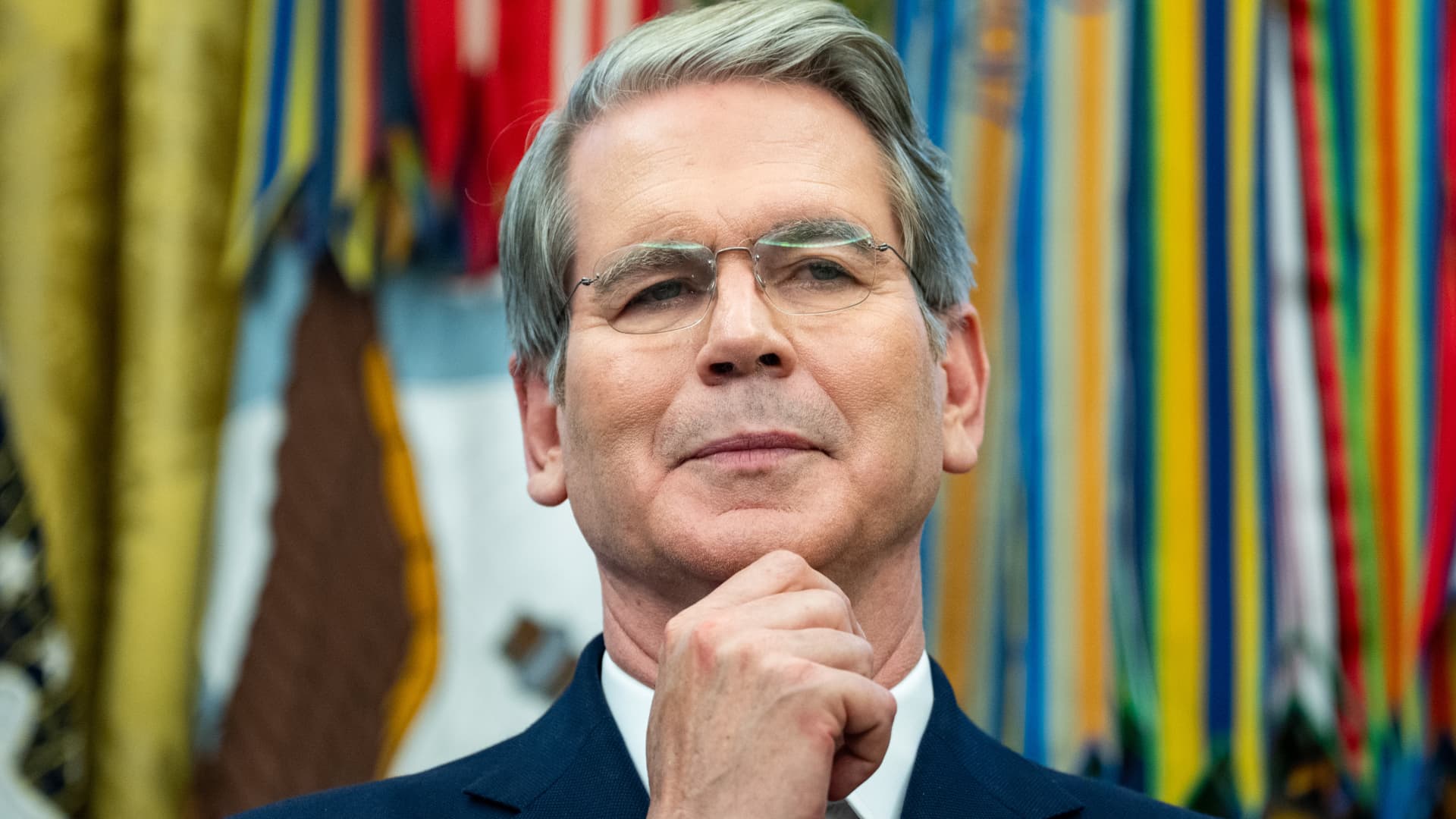
The specter of renewed trade protectionism is once again casting a long shadow over global markets, with significant implications for the energy sector. Long-standing concerns about the potential re-imposition or upholding of Trump-era tariffs have been reignited by commentary from U.S. Treasury Secretary Scott Bessent. Reportedly speaking on a Monday following a federal appeals court ruling against some of President Trump’s tariffs, Bessent indicated a readiness to employ “other authorities,” such as the Smoot-Hawley Tariff Act, to sustain these levies, even if challenged by the Supreme Court. While U.S. markets, being closed for the Labor Day holiday when these developments surfaced, initially showed little immediate reaction, the broader market narrative has since shifted dramatically.
As of today, crude oil markets are experiencing significant downward pressure. Brent crude trades at $90.38 per barrel, marking a sharp 9.07% decline from its open and navigating an intraday range of $86.08 to $98.97. Similarly, WTI crude has plummeted to $82.59, down 9.41% within the day’s range of $78.97-$90.34. This significant downturn, compounded by a recent 14-day trend that saw Brent shed nearly 18.5% from $112.78 to $91.87 just yesterday, suggests that while the initial reaction to specific tariff news might have been muted due to holiday closures, the overarching fear of global economic slowdowns – a sentiment often exacerbated by trade protectionism – is now firmly embedded in crude prices. Investors are clearly pricing in a more challenging demand environment, where the potential for new or sustained tariffs adds another layer of uncertainty to an already fragile global economy.
Economic Headwinds and the Price Trajectory for Crude
The persistent threat of renewed or upheld tariffs, particularly referencing historical precedents like the Smoot-Hawley Act which is widely viewed as a catastrophic economic policy, introduces substantial risk to global economic growth. For the energy sector, tariffs represent a double-edged sword: they can disrupt international supply chains, increase manufacturing costs, and ultimately dampen consumer demand – all factors that directly impact crude oil consumption. Given the substantial market declines observed today, with both Brent and WTI experiencing significant intraday drops, investors are increasingly concerned about a potential contraction in global oil demand.
This bearish sentiment is reflected in the common questions we observe from our readership, with many actively asking about the projected price of oil per barrel by the end of 2026. While precise predictions are inherently challenging amidst such volatility, the current trajectory, heavily influenced by macro-economic fears and potential trade wars, points towards sustained downward pressure if these protectionist policies gain traction. A protracted global trade conflict could easily undermine demand forecasts, pushing crude prices lower than current levels and forcing a comprehensive re-evaluation of long-term investment strategies across the energy value chain. The current gasoline price, down 5.18% to $2.93, further underscores the broad-based concern over consumer demand and economic activity.
Geopolitical Undercurrents and Energy Security
Beyond the direct economic hit, the discussion around tariffs also intertwines with complex geopolitical dynamics, particularly as global powers navigate shifting alliances and trade relationships. The backdrop of ongoing international dialogue, such as the Shanghai Cooperation Organization (SCO) Summit held in Tianjin on September 1, 2025, which saw leaders like Indian Prime Minister Narendra Modi, Russian President Vladimir Putin, and Chinese President Xi Jinping convene, highlights the intricate web of economic and strategic partnerships shaping the future. While ostensibly focused on regional cooperation, such gatherings inevitably touch upon global trade stability and energy security, especially when major energy consumers and producers are at the table.
A U.S. pivot towards more aggressive tariff policies could inadvertently push energy trade flows towards alternative alliances, potentially impacting traditional supply routes and pricing benchmarks. The comments from Secretary Bessent, made on a Monday following a significant court ruling, concerning the potential use of “other authorities” to uphold tariffs, serve as a stark reminder of how economic policy can become a geopolitical tool. Investors must consider how these geopolitical currents, amplified by trade disputes, could influence long-term energy contracts, infrastructure development, and the stability of global energy supply, adding another layer of complexity to an already volatile market.
Navigating Upcoming Catalysts: OPEC+ and Inventory Signals
The coming weeks are packed with critical events that will heavily influence the trajectory of crude prices, especially against the backdrop of tariff uncertainty and pronounced market declines. Investors are keenly watching the upcoming OPEC+ meetings, with the Joint Ministerial Monitoring Committee (JMMC) scheduled for April 18th, followed by the Full Ministerial Meeting on April 19th. A key question for our readers, and indeed for the entire market, revolves around OPEC+’s current production quotas and their willingness to adjust them in response to weakening demand signals.
With Brent crude having seen a substantial 18.5% decline over the past two weeks and experiencing a steep drop today, the cartel faces increased pressure to stabilize prices. Any signals of deeper production cuts or an extension of current output restraints would likely offer some support to the market, counteracting the bearish sentiment fueled by trade fears. Concurrently, the API Weekly Crude Inventory (April 21st, April 28th) and the EIA Weekly Petroleum Status Report (April 22nd, April 29th) will provide crucial real-time insights into U.S. demand and supply dynamics. High inventory builds could further confirm weakening demand, putting more pressure on OPEC+ to act decisively. The Baker Hughes Rig Count (April 24th, May 1st) will also offer a glimpse into future production trends, completing the picture for supply-side observers.
Investor Outlook and Strategic Positioning
In an environment characterized by heightened trade uncertainty and significant market volatility, a disciplined and adaptable investment strategy is paramount for oil and gas investors. The “wait-and-see” approach, initially observed after the appeals court ruling and Secretary Bessent’s comments, has now given way to a more aggressive repricing of crude assets, as evidenced by today’s steep declines. Companies with strong balance sheets and diversified operations, capable of weathering potential demand shocks and navigating disrupted trade flows, will likely prove more resilient.
For example, specific questions from our readership, such as the outlook for integrated energy companies by the end of April 2026, underscore the need for granular analysis. While individual company performance depends on a myriad of factors, the overarching macro-environment – particularly the interplay of trade policies, global economic health, and OPEC+ actions – will undeniably shape their operating landscape. Investors should prioritize companies with robust hedging strategies, efficient cost structures, and a clear path to adapting to evolving market conditions. Preparing for a period where economic policy, rather than pure supply-demand fundamentals, could dictate significant price swings will be crucial for navigating the energy market in the coming months.


