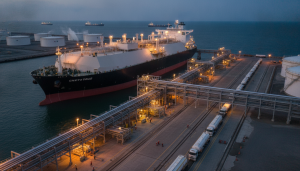
The global energy landscape is currently navigating a period of heightened volatility, largely driven by persistent geopolitical tensions impacting critical supply arteries. The ongoing conflict in Iran has significantly disrupted maritime traffic through the Strait of Hormuz, with transit volumes plummeting more than 90% below pre-February 28 levels. While the immediate consequences ripple across international markets, certain regions, notably California, are experiencing disproportionately severe impacts, facing both elevated prices and looming supply concerns. For investors, understanding these complex dynamics, especially as we approach key energy calendar events, is crucial for strategic positioning in a rapidly evolving market.
Global Oil Prices Surge Amid Supply Strain, California Feels the Brunt
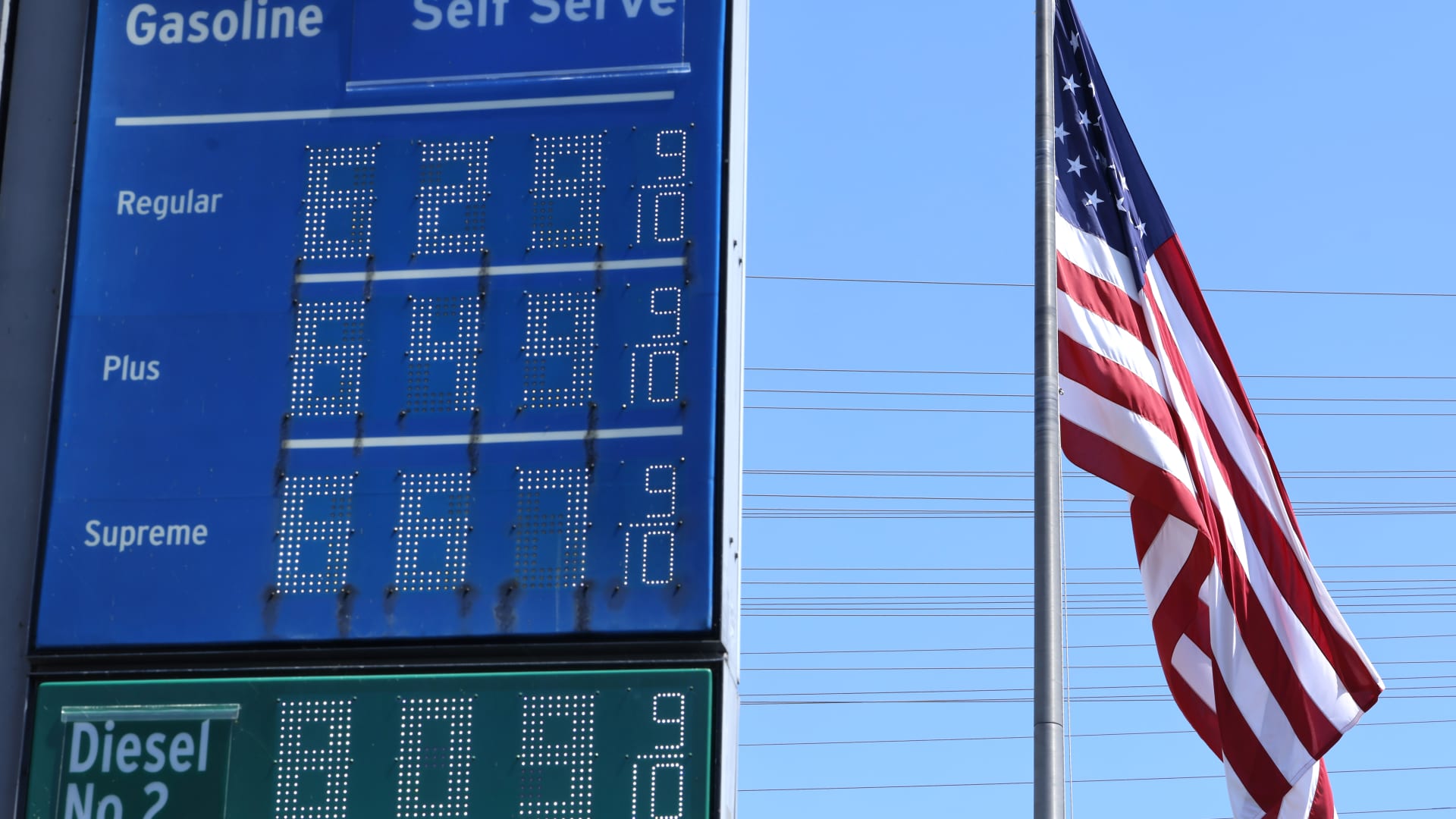
The global market is reacting sharply to supply anxieties stemming from the Middle East. As of today, Brent crude trades at $95.32, marking a significant 5.47% increase, while WTI crude stands at $87.23, up 5.62%. This upward momentum is also reflected in gasoline prices, currently at $3.04 per gallon, rising 3.75%. These immediate gains follow a period of recent fluctuation; our proprietary data indicates Brent crude experienced a notable $-22.4 (19.9%) decline from $112.78 on March 30 to $90.38 on April 17, underscoring the market’s inherent sensitivity to geopolitical developments and supply fears. Despite the national average for regular gasoline standing at $4.13 per gallon earlier this week, California motorists are confronting significantly higher costs, with prices averaging $5.89. The state’s diesel market has been particularly strained, reaching a record $7.75 per gallon on April 9. This disparity highlights California’s unique vulnerabilities, including its stringent fuel specifications and limited pipeline infrastructure connecting it to the more abundant Gulf Coast supplies. Consequently, the state relies heavily on international imports, with nearly 75% of its crude oil sourced from abroad, in addition to significant volumes of imported gasoline and jet fuel.
California’s Unique Import Dependency and Asia’s Tightening Grip
California’s energy security is inextricably linked to global supply chains, particularly those originating from Asia. A substantial portion of the state’s refined product imports, including gasoline and jet fuel, traditionally comes from South Korea and India. However, these key Asian suppliers are themselves grappling with tight inventories, a direct consequence of reduced crude oil availability from the Middle East. This precarious situation prompted South Korea to implement fuel export caps in March, further constricting the pool of available products for export. As Andy Walz, Chevron’s president for downstream, midstream, and chemicals, highlighted on March 25, “Asia has been among the first to feel the pain of lost Mideast Gulf crude supply, and California is leveraged into Asia.” He further elaborated that California would initially experience “pain in prices” as Asian refiners demand higher compensation to divert products, followed by a more critical “second phase” where the state might simply lack access to the necessary fuel products. This scenario underscores a profound risk to California’s economic and national security, making reliable energy supply a paramount concern.
Navigating Future Volatility: Investor Outlook and Upcoming Catalysts
Amidst this backdrop of geopolitical tension and regional supply concerns, investors are keenly focused on the trajectory of oil prices. Our reader intent signals reveal frequent queries such as “is WTI going up or down?” and “what do you predict the price of oil per barrel will be by end of 2026?”. While precise predictions remain challenging, several upcoming events will serve as critical catalysts shaping market sentiment and potential price movements. The OPEC+ Joint Ministerial Monitoring Committee (JMMC) is scheduled to meet on April 20, followed by the broader OPEC+ Ministerial Meeting on April 25. These gatherings will provide crucial insights into the cartel’s production policy, which could either exacerbate or alleviate current supply anxieties, especially given the ongoing Strait of Hormuz disruptions. Furthermore, investors will closely monitor the API Weekly Crude Inventory reports on April 21 and April 28, along with the EIA Weekly Petroleum Status Reports on April 22 and April 29, for a clearer picture of U.S. supply-demand balances. The Baker Hughes Rig Count, released on April 24 and May 1, will offer a forward-looking perspective on domestic production activity. Collective data from these events will heavily influence market expectations and provide vital signals for investors seeking to understand the potential for continued price appreciation or a possible softening in the coming weeks.
Strategic Considerations for Energy Investors
The current environment demands a nuanced approach from energy investors. The persistent threat to Middle East shipping lanes, coupled with the particular vulnerabilities of regions like California, creates a complex risk-reward profile. Companies with diversified supply chains or those less reliant on the most volatile import routes may offer greater resilience. Furthermore, the emphasis on “reliable security of energy supply” highlighted by industry leaders suggests that investments in domestic infrastructure or alternative energy solutions could see increased prioritization. Given the market’s extreme sensitivity to inventory levels and geopolitical headlines, closely tracking the upcoming OPEC+ decisions and weekly U.S. inventory data will be paramount for anticipating short-term price swings. For long-term investors, the underlying theme of energy security, especially in regions facing acute supply challenges, points to continued strategic importance for traditional oil and gas assets, even as the global energy transition progresses. Understanding these intertwined geopolitical, logistical, and demand-side pressures is key to navigating the current turbulent energy market effectively.