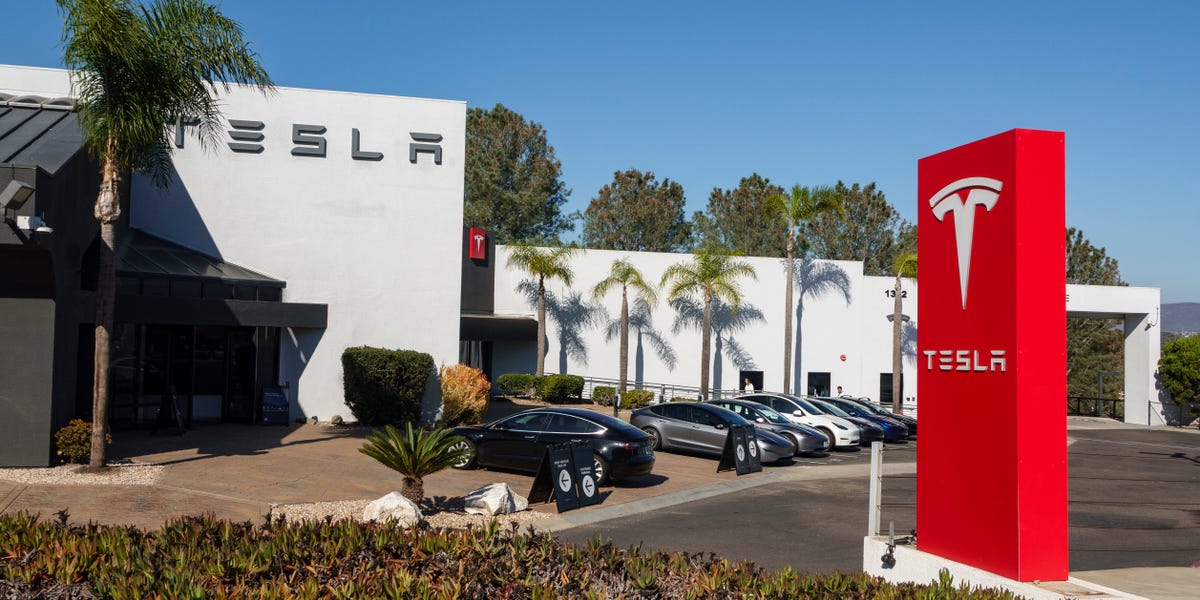
The energy market stands at a critical juncture, with traditional oil and gas fundamentals increasingly intersecting with the accelerating transition towards electrification. While daily price movements often capture headlines, astute investors are keenly focused on the underlying structural shifts. The continued momentum of electric vehicles (EVs), exemplified by leading innovators like Tesla navigating and overcoming various market challenges, presents a persistent and growing pressure on global oil demand. This dynamic creates a complex landscape for crude oil investors, demanding a nuanced understanding of both immediate catalysts and long-term trends.
Oil’s Volatile Dance Amidst Shifting Demand Narratives
The crude oil market, a barometer for global economic health and geopolitical tensions, continues its volatile dance. As of today, Brent Crude trades at $94.74, marking a significant +4.77% gain within the day’s range of $89.11 to $95.18. Similarly, WTI Crude stands at $91.54, up +4.71%, having climbed from a daily low of $85.50. This bullish intraday performance, however, tells only part of the story. Our proprietary market data reveals a striking 14-day Brent trend, falling from $118.35 on March 31st to $94.86 yesterday, representing a substantial 19.8% decline. This sharp correction underscores the market’s sensitivity to demand signals and broader economic concerns, even as daily trading can see significant rebounds. Gasoline prices, currently at $3.15, also reflect this volatility, up +3.95% today but still susceptible to the same demand-side pressures. The narrative around EV adoption, and the perceived resilience of key players like Tesla, invariably feeds into these demand concerns, creating a ceiling for oil prices that was less apparent in previous cycles.
Investor Queries Highlight Demand Uncertainty and EV Impact
Our first-party intent data reveals a consistent preoccupation among investors regarding the future trajectory of crude prices. Queries such as “is WTI going up or down” and “what do you predict the price of oil per barrel will be by end of 2026?” are not just about short-term speculation; they reflect a deeper apprehension about the foundational demand outlook. This apprehension is undeniably amplified by the accelerating pace of EV adoption. When investors observe market leaders in the EV space continuing to expand production, innovate, and capture market share – effectively navigating challenges and maintaining momentum – it naturally prompts questions about the longevity of demand for refined petroleum products, particularly gasoline. The core question on many investors’ minds is how quickly this EV momentum will translate into a material reduction in global liquid fuel consumption, and what that means for the valuation of oil and gas assets in the coming years.
Upcoming Events: Navigating Near-Term Market Catalysts
While the long-term structural shift towards EVs is undeniable, savvy oil and gas investors must remain focused on the near-term catalysts that drive price action and present tactical trading opportunities. The coming weeks are packed with critical energy events that will shape market sentiment and potentially dictate price trajectories. Tomorrow, April 21st, the OPEC+ JMMC Meeting is scheduled, an event closely watched for any signals on production policy. Any hint of output adjustments, either increases or cuts, will reverberate through the market. Following this, the EIA Weekly Petroleum Status Reports on April 22nd and April 29th will provide crucial insights into U.S. crude inventories, refinery utilization, and product demand – key data points that can override broader EV narratives in the short term. The Baker Hughes Rig Count on April 24th and May 1st will offer an updated look at North American drilling activity, influencing supply expectations. Perhaps one of the most significant forward-looking events is the EIA Short-Term Energy Outlook on May 2nd, which will provide updated forecasts for supply, demand, and prices, and will be scrutinized for how it incorporates the accelerating EV growth into its projections. These events will provide essential data points for investors trying to reconcile current market dynamics with the looming structural pressures from electrification.
EV Momentum: A Structural Headwind for Long-Term Oil Demand
The “EV momentum” is more than a buzzword; it represents a fundamental shift in the global energy landscape. While the precise timeline for peak oil demand remains a subject of debate, the trajectory of electric vehicle adoption, from passenger cars to commercial fleets, undeniably exerts a structural headwind on future oil consumption. The resilience demonstrated by EV manufacturers, as they navigate supply chain challenges, fluctuating raw material costs, and intense competition, underscores the industry’s maturation. This sustained growth, particularly in major markets, directly displaces gasoline demand and, increasingly, diesel demand as electric trucks and buses become more prevalent. Investors must consider not just the current market share of EVs, but their exponential growth rates and the continuous technological advancements improving range, charging times, and cost-effectiveness. This long-term trend mandates a proactive strategy for oil and gas investors, involving careful assessment of assets, diversification where appropriate, and a keen eye on global policy shifts supporting the energy transition.
The Investor’s Imperative: Adapt or Be Left Behind
For oil and gas investors, the message is clear: the market is evolving at an unprecedented pace. The interplay between immediate supply-demand dynamics, geopolitical factors, and the transformative impact of electrification creates a complex but opportunity-rich environment. While current crude prices exhibit strength today, the broader context of recent declines and the persistent rise of EV adoption necessitate a forward-looking and data-driven approach. Understanding the implications of ongoing EV momentum, alongside monitoring critical upcoming market events and investor sentiment, is paramount. The successful navigation of this landscape will distinguish those who merely react to daily headlines from those who strategically position their portfolios for the energy future.


