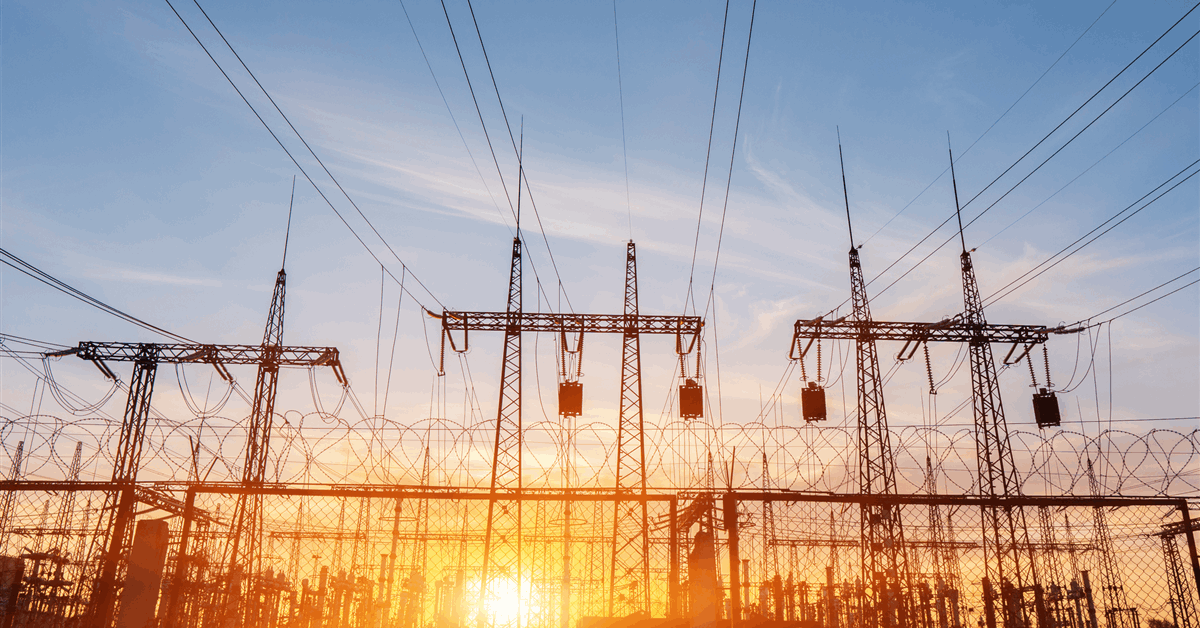
In a significant move poised to reshape Scotland’s energy landscape and fortify the United Kingdom’s clean energy ambitions, SP Energy Networks, a key subsidiary of Scottish Power Ltd., has unveiled a substantial investment package. The company has finalized agreements totaling GBP 1.4 billion, or approximately $1.9 billion, earmarked for critical onshore transmission infrastructure projects across the central and southern regions of Scotland. This strategic financial commitment stands as a cornerstone in the government’s ambitious “Clean Power 2030” initiative, signaling a robust acceleration towards a decarbonized energy future.
Massive Capital Infusion Targets Grid Modernization
This latest financial commitment by SP Energy Networks is not an isolated event but rather an integral component of a much larger, decade-long capital expenditure program totaling GBP 5.4 billion (roughly $7.4 billion) dedicated to comprehensively upgrading the nation’s electricity grid. The objective is clear: to establish enduring partnerships with UK-based enterprises, effectively “rewiring” the electrical network to support burgeoning demand. Investors should note this substantial capital deployment is designed to significantly boost capacity for new residential and commercial developments, facilitate the integration of clean energy sources, and markedly improve the reliability and efficiency of power distribution. Crucially, these enhancements are expected to diminish reliance on traditional fossil fuels, thereby bolstering national energy security – a paramount concern for all energy market participants.
Nicola Connelly, the CEO of SP Energy Networks, emphasized the strategic importance of these collaborations. “These strategic partnerships inject confidence into our suppliers, encouraging them to invest in their own growth – expanding workforces, establishing new offices nationwide, and cultivating even greater opportunities for the UK economy,” Connelly stated. “This represents excellent news for both UK and Scottish supply chains, with every pound directly benefiting central and southern Scotland’s infrastructure for generations.” Her comments underscore the broader economic ripple effect beyond the immediate infrastructure projects, creating a fertile ground for long-term industrial development and skilled employment.
Scope of Work and Strategic Partnerships
The extensive contracts encompass a wide array of vital infrastructure developments. These include the construction and upgrade of high-voltage substations, the installation of new overhead transmission lines, and comprehensive services covering design, engineering, construction, and electrical works. These strategic collaborations are structured for an initial five-year term, with a built-in option for a potential 10-year extension, providing stability and long-term planning horizons for the contracted firms. Notably, a strong emphasis on local economic benefit is evident: out of the 19 chosen suppliers, 17 are proudly based within the United Kingdom, ensuring that the lion’s share of this significant investment circulates within the domestic economy.
Energy Minister Michael Shanks highlighted the direct alignment of these partnerships with national policy goals. “These SP Energy Networks partnerships propel us significantly closer to achieving clean power by 2030, through modernizing the country’s aging network to efficiently deliver more clean power generated in Scotland to homes and businesses across the nation,” Shanks remarked. “This exemplifies the clean power transition in tangible action – a direct investment in British supply chains that will generate skilled employment and foster economic growth within Scottish communities and beyond.”
Key Project Spotlight: Denny-to-Wishaw Network Optimization
Among the critical projects slated for these upgrades, the Denny-to-Wishaw initiative stands out. Morgan Sindall Infrastructure has been designated as the sole contractor responsible for both substation and overhead line work on this crucial segment. To facilitate seamless execution and foster collaboration, a joint project office is set to open at Eurocentral in the coming autumn. Peter Kirk, Managing Director for Energy at Morgan Sindall Infrastructure, articulated the profound impact of such ventures. “Projects like the Denny to Wishaw Network Optimization will significantly enhance resilience and energy security, substantially boost capacity to address future demand, and seamlessly connect Scotland to greener, renewable energy sources,” Kirk explained. “By upgrading the transmission network, we are committed to bringing valuable skills and employment opportunities to the central belt, leaving a lasting, positive legacy within the local communities involved.”
ScottishPower’s Wider Investment Horizon: A Long-Term Vision
This substantial Scottish grid investment must be viewed within the context of ScottishPower’s broader, ambitious capital expenditure strategy. The parent company has publicly committed to more than doubling its total UK investment, targeting an astounding GBP 24 billion by 2028. A significant two-thirds of this colossal sum – indicating a multi-billion-pound allocation – is specifically earmarked for further enhancements and expansion of electricity networks. This long-term financial commitment underscores the company’s unwavering dedication to leading the charge in energy transition infrastructure, positioning itself as a pivotal player in the evolving UK energy market.
Investor Implications: Navigating the Energy Transition
For investors monitoring the global energy sector, these developments in Scotland offer compelling insights into the accelerating pace of the clean energy transition. The substantial capital flowing into grid infrastructure represents a critical de-risking factor for renewable energy projects, ensuring that generated power can efficiently reach consumers. This creates robust opportunities for companies specializing in utility infrastructure, smart grid technologies, and transmission development. Furthermore, such investments highlight the ongoing shift in capital allocation away from traditional hydrocarbon exploration and production towards sustainable, regulated assets with predictable returns. As governments globally prioritize energy security and decarbonization, the financial commitment to modernize and expand electricity grids will remain a key investment theme, shaping the future landscape of energy markets and presenting long-term growth prospects for discerning investors.


