The US LNG Juggernaut: Decoding 2025’s Record and Its Investment Implications
The global energy landscape is undergoing a profound transformation, and at its heart lies the meteoric rise of U.S. liquefied natural gas (LNG) exports. In 2025, the United States shattered expectations, becoming the first nation to export over 100 million metric tons of LNG in a single year, reaching a staggering 111 million tons. This monumental achievement not only solidified the U.S. position as the world’s preeminent LNG supplier, outpacing Qatar by nearly 20 million tons, but also underscored a strategic shift that has redefined global energy security and opened significant avenues for investors. From virtually no exports a decade ago to now supplying approximately a quarter of the global trade, the U.S. model — characterized by flexible contracts, Free-on-Board (FOB) pricing, and abundant shale gas resources — has proven overwhelmingly attractive to international buyers seeking reliable and diversified energy sources. This analysis dives into the drivers behind this unprecedented growth, explores evolving market dynamics, and offers forward-looking insights for investors navigating the volatile energy sector.
2025’s Unprecedented Surge: Capacity, Utilization, and Strategic Advantage
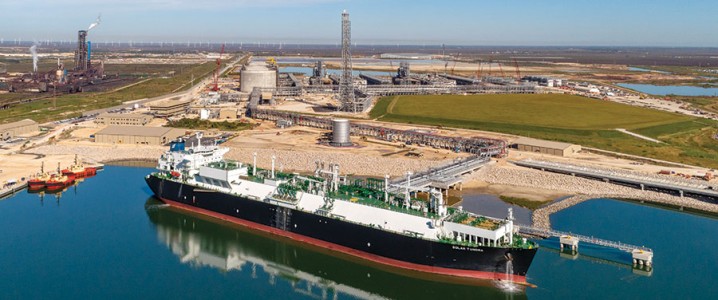
The record-breaking 2025 performance was no accident; it was the culmination of significant infrastructure build-out and highly efficient operations. New projects coming online, particularly the rapid ramp-up of facilities like Plaquemines LNG, were instrumental. Plaquemines alone shipped 16.4 million tons in 2025 after commencing exports late the prior year, demonstrating the speed at which new capacity can integrate into the supply chain. Across the board, U.S. export terminals maintained exceptionally high utilization rates throughout the year, culminating in a December record of 11.5 million tons exported. This operational excellence, coupled with the inherent advantages of U.S. shale gas production – including cost-effectiveness and scalability – has created a powerful competitive edge. For investors, this trajectory highlights the long-term viability and growth potential within the LNG value chain, from upstream gas producers benefiting from sustained demand to midstream terminal operators and shipping companies facilitating this global energy trade.
Navigating Geopolitical Shifts and Evolving Demand Landscapes
The primary driver for U.S. LNG demand in 2025 remained Europe, which continued its strategic imperative to replace Russian pipeline gas. Approximately 9 million tons of U.S. LNG flowed to Europe in December alone, demonstrating the critical role American supply plays in European energy resilience, particularly heading into winter months. However, the demand narrative is far from static. Our proprietary reader intent data reveals that investors are keenly evaluating the performance of energy companies within this evolving landscape, with questions frequently arising about specific players and the broader impact of geopolitical shifts. A notable development late in the year was Turkey’s sharp increase in purchases, acquiring more U.S. LNG in December than the entire Asian market. While Asia still represents a crucial long-term growth market, taking 1.23 million tons in December, the emergence of opportunistic buyers like Turkey and consistent demand from nations like Egypt facing domestic supply shortages underscores the dynamic nature of global gas markets. This diversification of buyers reduces reliance on any single region and strengthens the overall demand floor for U.S. LNG.
Broader Market Context and Upcoming Catalysts
While the LNG sector exhibits robust growth, the broader energy complex provides a crucial backdrop for investor sentiment. As of today, Brent crude trades at $90.01, reflecting a 0.46% decline, while WTI crude sits at $86.38, down 1.19%. This marks a notable shift from just a few weeks prior, with Brent having experienced a significant drop from $118.35 on March 31st to $94.86 by April 20th. Our first-party data indicates that investors are keenly focused on this price direction, with questions like “is WTI going up or down?” frequently surfacing. This underscores the need for continuous vigilance against market volatility, even amidst strong sectoral performance in LNG. Looking ahead, 2026 promises further capacity additions, with Plaquemines targeting full output and the first train at Golden Pass LNG expected to commence production. Investors should mark their calendars for key upcoming events that could influence the broader energy market. Tomorrow, April 21st, the OPEC+ JMMC Meeting could set the tone for global crude supply. Further clarity on market fundamentals will come from the EIA Weekly Petroleum Status Report on April 22nd and April 29th, and critically, the EIA Short-Term Energy Outlook on May 2nd, which will provide updated forecasts impacting investment decisions across the energy spectrum, including the feedgas prices for LNG.
Investment Outlook: Sustained Growth and Strategic Positioning
The record-setting performance of U.S. LNG exports in 2025 is not merely a historical footnote but a clear indicator of sustained growth and strategic importance. The continued expansion of capacity through projects like Golden Pass LNG and the full operational ramp-up of existing facilities will further solidify the U.S. position in the global energy hierarchy. For investors, this translates into compelling opportunities within companies involved in natural gas exploration and production, LNG liquefaction and export terminal operations, and specialized shipping. The U.S. model, with its emphasis on market-responsive supply and flexible contracting, is uniquely positioned to meet the world’s growing demand for cleaner-burning fuels and enhanced energy security. While global crude prices may experience their own fluctuations, the structural demand drivers for LNG, amplified by geopolitical necessities and the energy transition, suggest a resilient and expanding investment horizon for those positioned to capitalize on America’s ascendancy as the world’s leading LNG powerhouse.


