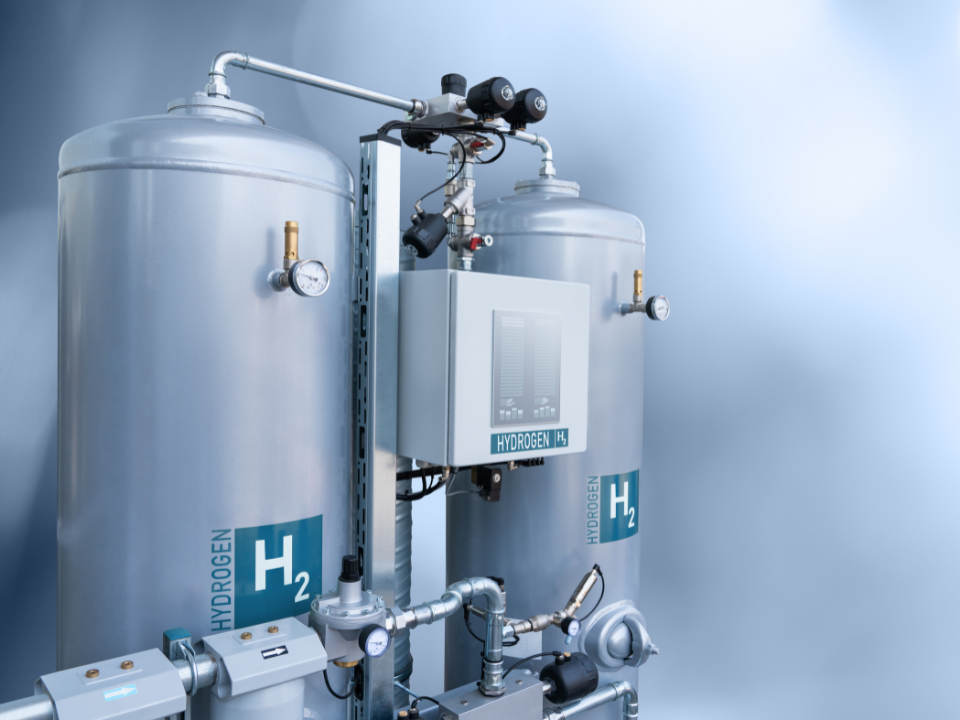
The energy landscape is undergoing a profound transformation, and nowhere is this more evident than in the burgeoning hydrogen economy. For investors navigating the complex interplay between traditional fossil fuels and emerging renewable solutions, recent developments offer critical insights. Plug Power, a prominent player in comprehensive hydrogen solutions, recently announced a significant milestone: the delivery of its first 10-megawatt (MW) GenEco™ electrolyzer array to Galp’s Sines Refinery in Portugal. This project, set to scale to a formidable 100MW by the first half of 2026, represents a tangible acceleration of industrial decarbonization and provides a crucial lens through which to view the strategic shifts occurring across the global energy sector.
Hydrogen Takes Center Stage in Industrial Decarbonization
Plug Power’s achievement at the Sines Refinery is more than just a logistical success; it underscores the increasing viability and industrial scale-up of green hydrogen production. This initial 10MW module marks the first of ten similar arrays, complete with Hydrogen Processing Units (HPUs), slated for delivery by early 2026. Upon its full 100MW completion, the project is projected to produce up to 15,000 tons of renewable hydrogen annually. This substantial output will replace approximately 20 percent of the grey hydrogen currently consumed at the refinery, leading to an estimated reduction of 110,000 tons per year in Scope 1 and 2 greenhouse gas emissions. For energy investors, this demonstrates a clear trajectory towards integrating renewable hydrogen into existing heavy industrial processes, offering a concrete pathway for companies like Galp to meet their decarbonization targets while maintaining operational efficiency. The scale of this project, touted as Plug Power’s largest worldwide, signals a pivotal moment for the hydrogen economy, transitioning from pilot programs to large-scale commercial deployment.
Navigating Volatility: Market Headwinds and the Appeal of Diversification
While the long-term narrative for green hydrogen strengthens, investors must remain acutely aware of the immediate volatility in traditional energy markets. As of today, Brent crude trades at $90.38, reflecting a notable 9.07% decline, while WTI crude stands at $82.59, down 9.41% within the day’s trading range. This recent downturn follows a sharper trend, with Brent having shed $22.4, or nearly 20%, from its $112.78 level just two weeks ago. Gasoline prices have also seen a dip, currently at $2.93. Such significant price movements highlight the inherent risks associated with an investment portfolio heavily weighted towards conventional oil and gas. For many investors, a critical question revolves around “what do you predict the price of oil per barrel will be by end of 2026?” This ongoing uncertainty, coupled with the imperative for climate action, makes diversified energy investments, including those in hydrogen infrastructure and technology, increasingly attractive. Companies like Plug Power, which enable significant emissions reductions in industrial settings, offer a compelling long-term growth story that can potentially hedge against the cyclicality and policy-driven risks inherent in the fossil fuel sector.
Investor Sentiment: Seeking Resilience Amidst Transition
The transition away from a purely hydrocarbon-centric energy system is a central theme dominating investor conversations. Our reader intent data reveals a strong focus on understanding the trajectory of crude prices and the evolving role of major players like OPEC+. Investors are not just asking about short-term price movements; they are probing the fundamental shifts that will define the energy sector for decades. The Plug Power-Galp collaboration directly addresses several key investor concerns. By replacing a significant portion of grey hydrogen with renewable alternatives, it mitigates exposure to fluctuating natural gas prices (often used in grey hydrogen production) and enhances energy independence. This move also aligns with growing ESG mandates and regulatory pressures, which are increasingly influencing capital allocation decisions. For companies like Repsol, which operate similar integrated energy models, the success of projects like Galp’s Sines refinery serves as a valuable case study for future strategic directions. The commitment to large-scale green hydrogen production suggests that industrial giants are making long-term bets on decarbonization, indicating a durable investment thesis for supporting technologies and solutions providers.
Upcoming Catalysts and the Forward Path for Energy Investment
The coming weeks hold several critical events that could shape the near-term energy market, influencing the broader context for hydrogen investments. The highly anticipated OPEC+ Ministerial Meeting on April 19th will be a pivotal moment. Any decisions regarding production quotas will directly impact global crude supply and, consequently, prices. A tightening supply scenario could push crude prices higher, potentially making green hydrogen projects more economically competitive by increasing the cost of fossil fuel alternatives. Conversely, if OPEC+ opts for increased production, downward pressure on crude prices could temporarily dampen the urgency for some decarbonization initiatives. Beyond OPEC+, weekly data releases such as the API Weekly Crude Inventory (April 21st, April 28th) and the EIA Weekly Petroleum Status Report (April 22nd, April 29th) will provide crucial insights into demand and supply dynamics in the U.S., further guiding market sentiment. For investors, these events underscore the dynamic environment in which companies like Plug Power operate. While hydrogen’s long-term growth is driven by structural shifts, short-term market fluctuations can affect funding landscapes and relative attractiveness. The multi-year completion timeline for the 100MW Sines project, extending into early 2026, suggests a sustained growth trajectory for Plug Power, relatively insulated from minor weekly market gyrations but certainly benefiting from a sustained global push towards cleaner energy.