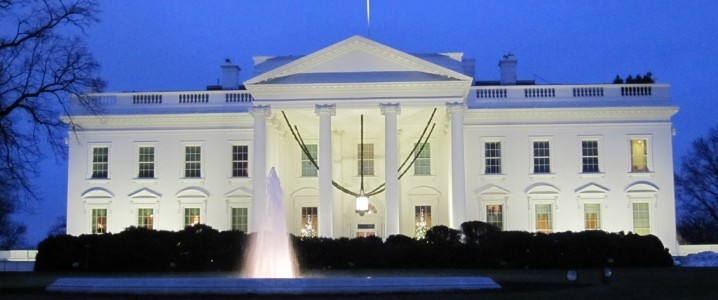
The oil market finds itself in a precarious position, with prices retreating sharply as geopolitical risk premium deflates following President Trump’s announcement of a two-week pause on his Iran policy decision. While the initial market reaction saw crude prices attempt a rally on heightened Mideast tensions, the subsequent clarification from the White House quickly pulled the rug out from under bullish sentiment. Investors are now grappling with a complex blend of diplomatic uncertainty, regional escalation, and fundamental data points, all converging to create significant volatility in the energy sector.
Geopolitical Uncertainty Triggers a Deeper Sell-Off
What began as an intraday surge in crude prices, briefly pushing WTI above $77, quickly reversed course. This volatility was directly tied to the White House’s statement clarifying President Trump’s stance on Iran. While the initial drumbeat of potential U.S. military involvement in the Israel-Iran conflict fueled a rapid price appreciation, the subsequent news of a two-week deliberation period, weighing diplomatic options against military action, sent oil bulls scrambling. As of today, the market has seen a far more significant downturn than the initial pullback described. Brent Crude now trades at $90.38, reflecting a substantial 9.07% decline in today’s session, with its range spanning from $86.08 to $98.97. Similarly, WTI Crude stands at $82.59, down 9.41% today, having traded between $78.97 and $90.34. This aggressive sell-off indicates that the market views President Trump’s pause not merely as a temporary shrug, but as a significant de-escalation signal in the short term, removing a substantial portion of the geopolitical risk premium that had been baked into prices. This current slump is exacerbated by a broader trend; Brent crude has already shed 18.5% over the past two weeks, dropping from $112.78 on March 30th to $91.87 just yesterday, underscoring persistent bearish pressure that today’s news has only intensified.
The Diplomatic Chessboard and OPEC+ Response
President Trump’s declaration that he will make his decision within two weeks, based on the potential for substantial negotiations with Tehran, throws a significant wildcard into the global energy outlook. This “maybe peace, maybe war, maybe nothing” posture suggests a period of heightened uncertainty regarding Iranian crude supply and the broader stability of the Middle East. While the U.S. expresses interest in diplomacy, it maintains a firm stance against Iran acquiring nuclear weapons, believing Tehran is closer than ever. Meanwhile, regional tensions remain elevated, with Israel bombing Iranian nuclear sites and Iran retaliating with drones and missiles. This delicate balance of potential diplomacy and ongoing military escalation will undoubtedly shape the market’s risk perception. Investors should closely monitor the upcoming OPEC+ meetings, with the JMMC scheduled for April 18th and the full Ministerial meeting on April 19th. Given the significant price slide and the prevailing uncertainty, the market will be looking for clear signals regarding production policy. Many investors are currently asking about OPEC+’s current production quotas and whether the group will adjust its strategy in response to falling prices and the evolving geopolitical landscape. Any indication of further cuts could provide a floor for prices, while inaction or a perceived lack of unity could exacerbate the current downturn, especially if the diplomatic path with Iran opens the door for future supply additions.
Addressing Investor Concerns: Navigating the Price Outlook
A recurring question from our readers centers on the long-term outlook: “What do you predict the price of oil per barrel will be by end of 2026?” This query underscores the challenge of forecasting in a market dictated by both fundamental supply/demand and unpredictable geopolitical events. The current policy pause by President Trump, while injecting immediate bearish sentiment, does not resolve the underlying tensions. Instead, it merely defers a potential flashpoint. For investors, this means maintaining a flexible perspective, understanding that a sudden shift in diplomatic efforts or a renewed escalation could rapidly reintroduce a substantial risk premium. Predicting end-of-year prices hinges heavily on the outcome of these two weeks and the subsequent reactions from regional players. A peaceful resolution could keep prices anchored lower, while a return to aggressive rhetoric or direct military engagement would send prices soaring, potentially well above recent highs. Beyond the macro picture, investors are also examining the performance of individual energy companies, with questions like “How well do you think Repsol will end in April 2026?” reflecting broader sector anxieties. The current market volatility necessitates a careful review of balance sheets, hedging strategies, and operational resilience within the exploration and production sector.
Beyond Geopolitics: The Crucial Role of Fundamental Data
While geopolitical headlines often dominate short-term price action, long-term investors understand the enduring importance of fundamental market data. Even with the current focus on Iran, the underlying supply and demand dynamics, as revealed by inventory and production reports, remain critical. The coming weeks will offer a deluge of this vital information. We anticipate the API Weekly Crude Inventory reports on April 21st and April 28th, followed by the EIA Weekly Petroleum Status Reports on April 22nd and April 29th. These reports will provide crucial insights into U.S. crude stockpiles, refining activity, and product demand, offering a clearer picture of the domestic supply-demand balance. Furthermore, the Baker Hughes Rig Count, scheduled for April 24th and May 1st, will reveal the health of U.S. drilling activity and its implications for future production. In an environment where geopolitical risk is in flux, these fundamental indicators will serve as a grounding force, helping investors assess whether the current price decline is solely a geopolitical correction or if it reflects deeper imbalances in the market. Strong demand signals or unexpected supply disruptions, even amidst diplomatic uncertainty, could provide a strong counter-narrative to the current bearish sentiment, offering potential catalysts for a price rebound.


