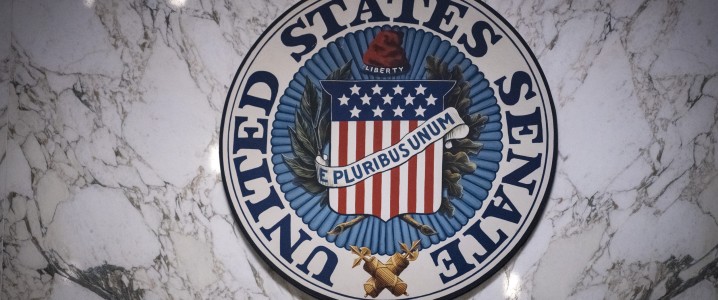
A recent procedural ruling in the U.S. Senate has significantly complicated efforts to accelerate domestic fossil fuel development, signaling a tougher path ahead for oil, gas, and mining projects. The Senate’s top rule-keeper has determined that several key provisions, intended to streamline environmental reviews for energy and mineral initiatives, cannot bypass standard legislative scrutiny through budget reconciliation. This effectively raises the bar for these projects, requiring a 60-vote threshold in the Senate and making bipartisan consensus — a rare commodity — essential for their progression. For investors in the energy sector, this development underscores the persistent regulatory challenges and potential for prolonged timelines in U.S. project development, demanding a reassessment of future supply growth expectations and associated capital allocation strategies.
A Procedural Hurdle for Domestic Energy Expansion
The Senate parliamentarian’s decision is a direct response to attempts to use the budget reconciliation process to circumvent the National Environmental Policy Act (NEPA). Specifically, the ruling flagged provisions that would have automatically deemed offshore oil and gas projects compliant with NEPA, fast-tracked a critical mining road in Alaska, and allowed gas exporters to easily secure “national interest” designations. Also on the chopping block were clauses aimed at mandating the Interior Department to issue leases within 90 days and restricting its ability to adjust renewable energy fees. These initiatives, designed to cut red tape and expedite project approvals, now face the full rigor of the legislative process, including the threat of a filibuster. This marks a clear distinction from the recent Supreme Court ruling that narrowed NEPA’s scope, as Congress itself must still adhere to its own procedural rules when attempting to rewrite environmental law. The ruling signifies that even with a supportive Supreme Court, legislative changes impacting energy development will require substantial political capital and cross-aisle cooperation, fundamentally altering the perceived speed and ease of future domestic supply growth.
Market Sentiment Amidst Policy Headwinds
Despite the substantial implications of this legislative setback, the immediate reaction in global crude markets has been relatively muted. As of today, Brent crude trades at $95.35, marking a modest 0.59% increase for the day, while WTI crude sits at $92.46, up 1.29%. This uptick comes against a backdrop where Brent has seen a notable decline of nearly 8.8% over the past fortnight, sliding from $102.22 on March 25th to $93.22 just yesterday. This recent volatility underscores how various factors – from geopolitical shifts to global inventory reports – can often overshadow even significant domestic policy developments in the short term. Retail gasoline prices are also showing an uptick today, reaching $3.02, up 1.68%, reflecting broader supply-demand dynamics rather than an immediate pricing-in of this specific U.S. legislative news. The market’s relatively calm response suggests that while this ruling is a blow to the *potential* for accelerated U.S. supply, it does not alter the *current* supply landscape in a way that triggers immediate price shocks. Instead, its impact is likely to be felt more gradually, influencing long-term investment decisions and future production forecasts.
Investor Horizon: Long-Term Supply & Regulatory Risk
For investors keenly focused on building a base-case Brent price forecast for the next quarter and understanding the consensus 2026 Brent outlook, this ruling introduces another layer of complexity into their models. Our reader intent data indicates a strong focus on these forward-looking price scenarios, and the Senate’s decision undeniably shifts the risk profile for U.S. upstream investments. By requiring a higher legislative hurdle for projects, the ruling increases regulatory risk and prolongs the timeline for bringing new supply online. Projects that would have benefited from automatic NEPA compliance or expedited permitting for offshore exploration and gas export infrastructure will now face extended review periods, increased costs, and greater uncertainty. This makes the trajectory of U.S. domestic supply growth less predictable and potentially slower than previously anticipated by industry proponents. Rather than a “procedural cross-check,” as NEPA was recently described by the Supreme Court, this ruling effectively turns specific legislative attempts to circumvent environmental review into a substantive roadblock for faster project development. Investors must now factor in a longer lead time for U.S. projects and consider the implications for global supply-demand balances, especially as other regions face their own unique challenges and opportunities.
Navigating the Legislative Labyrinth and Upcoming Catalysts
Looking ahead, this legislative impasse means that any significant acceleration of U.S. domestic oil and gas production through policy changes will require substantial bipartisan consensus, a rare commodity in today’s political climate. For investors, this translates into a need to monitor legislative developments closely, recognizing that the current environment favors a slower, more deliberate pace for new project approvals. On the industry front, the upcoming Baker Hughes Rig Count reports on April 17th and April 24th will offer immediate insight into current drilling activity, providing a snapshot of present investment decisions and operational trends. However, these figures will not immediately reflect the longer-term project delays now facing legislative hurdles. Meanwhile, the market’s attention will also turn to international supply dynamics, particularly the OPEC+ JMMC meeting on April 18th and the Full Ministerial meeting on April 20th. Any decisions from these gatherings, particularly regarding production quotas, could exert a more immediate influence on global supply sentiment and Brent pricing, potentially overshadowing the slower-burn impact of U.S. legislative delays in the near term. Additionally, the API and EIA Weekly Crude Inventory reports on April 21st, 22nd, 28th, and 29th will continue to provide critical short-term market movers, influencing daily trading and overall sentiment irrespective of the long-term policy shifts unfolding in Washington.


