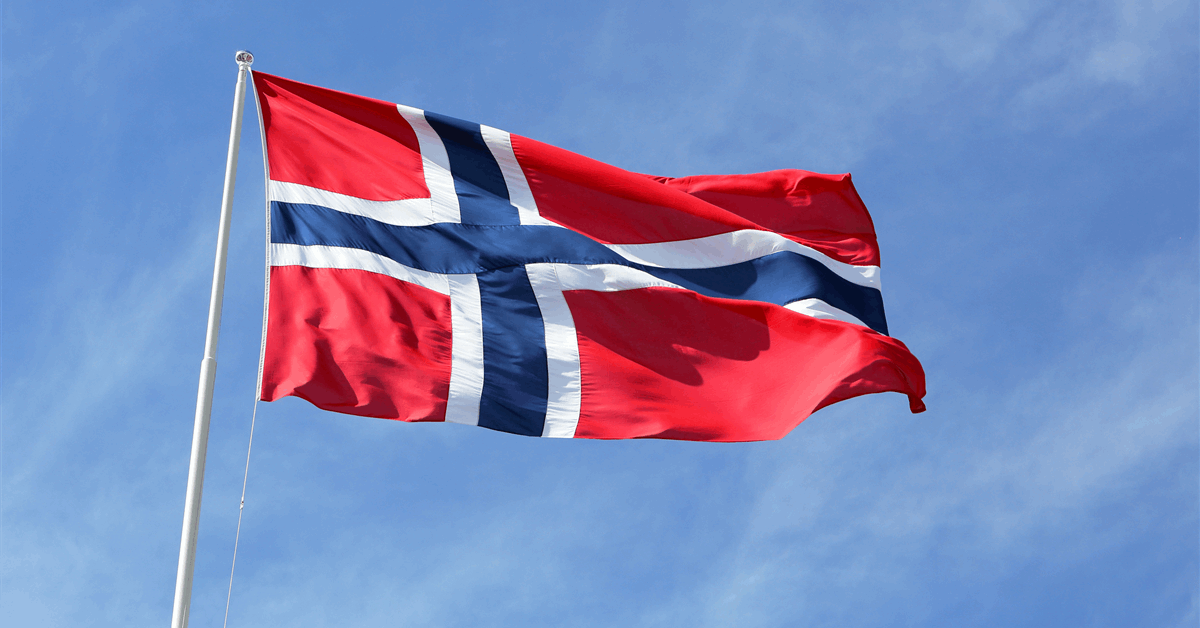
In a global energy market defined by volatility and shifting geopolitical sands, Norway’s steadfast commitment to its fossil fuel sector presents a compelling paradox for investors. Despite growing domestic environmental pressures and a parliamentary landscape requiring delicate coalition-building, Prime Minister Jonas Gahr Store has affirmed the gas-rich nation’s intention to continue exploration and development on the Norwegian shelf. This unwavering stance underscores Norway’s strategic importance as a pivotal energy supplier to Europe, a role that has intensified dramatically following the geopolitical realignments in Eastern Europe. For oil and gas investors, understanding the nuances of Norway’s energy policy, its production capabilities, and its influence on broader market dynamics is crucial for navigating both short-term opportunities and long-term strategic positioning.
Norway’s Unwavering Energy Stance Amidst Green Pressures
Norway’s political environment showcases a complex interplay between immediate energy security needs and long-term climate ambitions. Prime Minister Store’s Labor government, having secured less than 30% of the vote in the recent election, faces the necessity of forging consensus with smaller parties, including an emboldened Green Party. The Greens, having significantly increased their parliamentary representation to seven seats, have historically advocated for a complete cessation of oil exploration in the North Sea. Yet, signals from Green Party leadership suggest a pragmatic approach to negotiations, indicating a potential for compromise rather than outright obstruction. This political tightrope walk suggests that while environmental considerations will undoubtedly influence policy, Norway’s role as a “leading energy nation” and a “reliable partner” for European energy security remains paramount in the current administration’s calculus. The government’s stated aim to slow the decline of the resource base is further evidenced by significant investments from industry giants like Equinor ASA and Aker BP ASA, who are pouring billions into infrastructure projects. These efforts have already yielded tangible results, with monthly oil output from the Norwegian shelf recently reaching its highest level in over a decade, largely driven by the ramp-up of fields such as Johan Castberg in the Barents Sea, directly counteracting a multi-decade production decline from its early 2000s peak.
Navigating Market Volatility: A Supply Side Perspective
The stability offered by Norway’s consistent supply commitment stands in stark contrast to the broader fluctuations observed in global crude markets. As of today, Brent crude trades at $98.38 per barrel, reflecting a 1.02% decrease from yesterday’s close, with an intraday range of $97.92 to $98.67. Similarly, WTI crude is priced at $89.99, down 1.29%, fluctuating between $89.57 and $90.26. This recent dip is part of a more significant trend; over the last 14 days, Brent crude has experienced a notable decline of 12.4%, sliding from $112.57 on March 27th to $98.57 on April 16th. This substantial market contraction underscores the ongoing sensitivity to supply-demand balances and geopolitical developments. In this volatile environment, Norway’s position as Europe’s largest natural gas supplier, contributing approximately a third of the continent’s supply since Russian deliveries diminished, accentuates its critical role. For investors, this translates into an asset base that offers a degree of resilience against external shocks, providing a predictable, high-quality supply source in a market craving stability amidst price swings.
Upcoming Events and Geopolitical Crossroads for Energy Investors
The immediate future holds several pivotal events that will undoubtedly shape the global energy landscape, making Norway’s stable production outlook even more significant. Investors are closely monitoring the upcoming OPEC+ Joint Ministerial Monitoring Committee (JMMC) meeting scheduled for April 18th, followed swiftly by the full OPEC+ Ministerial Meeting on April 20th. These gatherings are critical as they will determine future production quotas and strategies, directly influencing global crude supply and pricing. The market’s current trajectory, coupled with the ongoing investor focus on “OPEC+ current production quotas” as highlighted by reader intent data, signifies the immense impact these decisions will have. Should OPEC+ opt for tighter controls or maintain existing cuts, the importance of non-OPEC+ supply, particularly from reliable producers like Norway, will escalate. This dynamic positions Norwegian-focused investments as a potential hedge against supply-side uncertainties emanating from OPEC+ policy, offering a more predictable investment thesis compared to regions prone to rapid output adjustments. Furthermore, the weekly API and EIA inventory reports in the coming days (April 21st/22nd and April 28th/29th) will provide fresh insights into U.S. supply-demand dynamics, adding another layer of data for investors to consider against the backdrop of Norway’s long-term commitment.
Investor Focus: Long-Term Horizon and Decarbonization Pressures
In a world increasingly focused on the energy transition, investors are actively seeking clarity on the future trajectory of fossil fuels, as evidenced by frequently asked questions regarding market data sources and pricing models. Norway’s strategy attempts to bridge this gap, committing to both continued resource development and the advancement of “technological shifts” to “cut emissions and live up to climate obligations.” This dual approach presents a unique long-term investment opportunity. Companies operating in Norway are not merely extracting resources; they are simultaneously investing in carbon capture, offshore wind, and other green technologies, aligning with broader decarbonization trends while ensuring energy security. For sophisticated investors, this means evaluating companies like Equinor and Aker BP not just on their current production metrics but also on their strategic foresight in navigating the energy transition. Norway’s position as a high-integrity, technologically advanced producer, combined with its robust regulatory framework, mitigates certain risks associated with less stable energy-producing regions. Therefore, while short-term price movements and OPEC+ decisions will always command attention, Norway’s sustained commitment to its energy sector, balanced with an eye towards future sustainability, offers a compelling narrative for long-term capital allocation in the oil and gas investing landscape.


