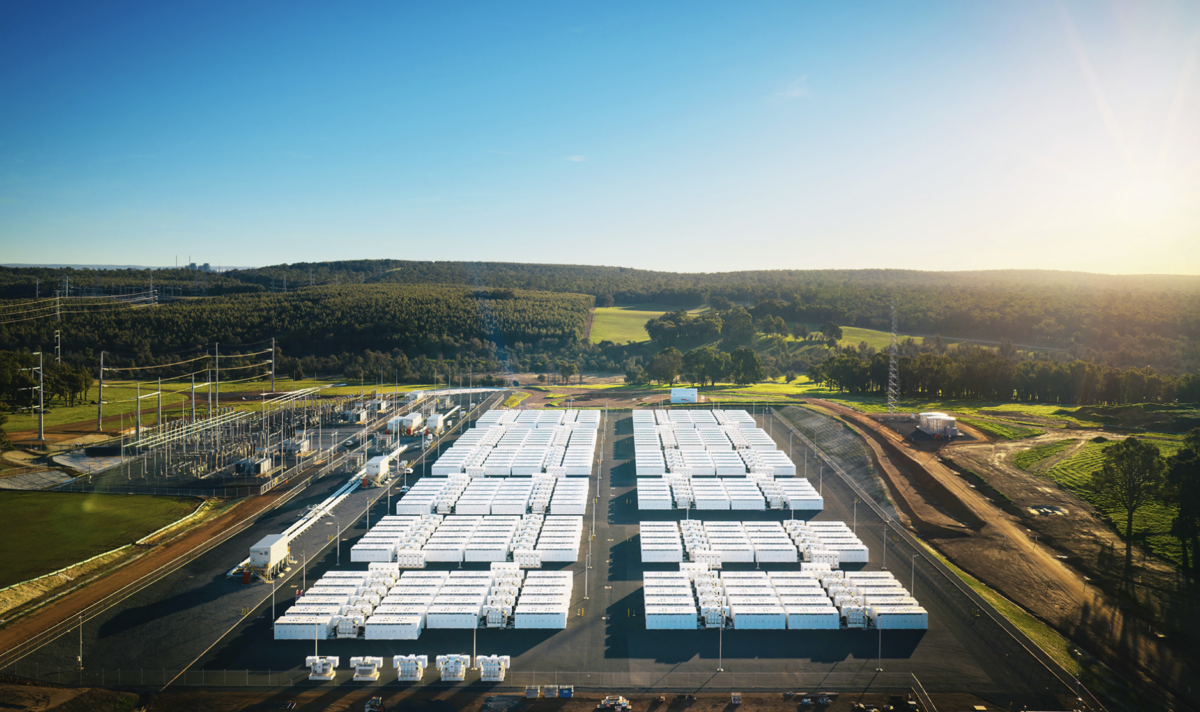
The energy investment landscape is undergoing a profound transformation, and nowhere is this more evident than in the rapid expansion of utility-scale battery storage. While traditional oil and gas assets remain central to global energy supply, the immense capital flowing into renewable infrastructure, exemplified by projects like Neoen’s latest advancements in Western Australia, demands close attention from every serious investor. Neoen, a significant player backed by Brookfield, is not just building batteries; it’s constructing critical grid infrastructure designed to stabilize networks, integrate intermittent renewables, and ultimately reshape regional energy markets. This represents a long-term structural shift that oil and gas investors must understand, even as they navigate the near-term volatility of commodity markets.
Western Australia’s Gigawatt-Hour Leap: A Blueprint for Grid Modernization
Neoen’s recent milestones in Western Australia underscore the accelerating pace of the global energy transition. The company has commenced construction on its 164 MW/905 MWh Muchea battery energy storage system, marking its first six-hour long-duration asset, strategically located northeast of Perth. Simultaneously, Neoen has brought online the 341 MW/1,363 MWh second stage of the Collie Battery project, solidifying the Collie site as Australia’s largest operational battery, boasting a staggering 560 MW/2,240 MWh across both stages. These projects collectively boost Neoen’s total storage capacity in Western Australia to 724 MW / 3,145 MWh, representing over $1 billion in state investment since 2022. This substantial deployment of Tesla Megapack 2XL units and connection to Western Power’s existing South-West Interconnected System (SWIS) is not merely about adding capacity; it’s about delivering essential grid stability, reliability services, and critical peak demand energy. For investors, this signifies robust, de-risked infrastructure plays backed by government agreements and long-term contracts with entities like the Australian Energy Market Operator (AEMO), addressing the urgent need to offset coal-fired plant retirements and manage the burgeoning penetration of rooftop solar.
Navigating Commodity Headwinds Amidst Structural Energy Shifts
While the long-term trajectory for renewable energy infrastructure remains strong, the immediate commodity market presents a more volatile picture. As of today, Brent crude trades at $90.38 per barrel, marking a significant 9.07% decline within the day, with its range fluctuating between $86.08 and $98.97. Similarly, WTI crude is at $82.59, down 9.41%. This sharp correction follows a broader trend; our proprietary data indicates Brent has shed $22.4, or nearly 20%, over the past 14 days, falling from $112.78 to its current level. This pronounced volatility in the traditional oil market creates a complex environment for capital allocation. Investors are keenly asking about the future trajectory of oil prices, with inquiries such as “what do you predict the price of oil per barrel will be by end of 2026?” becoming increasingly common. While short-term price movements can impact investor sentiment and capital availability for all energy sectors, the strategic imperative for grid stability and decarbonization, as demonstrated by Neoen’s investments, remains undiminished. These large-scale battery projects represent fundamental shifts in energy supply and demand dynamics, offering a counter-cyclical investment appeal compared to the often-turbulent fossil fuel markets.
Policy Support and Investor Confidence: De-risking the Energy Transition
The success and speed of projects like Muchea and Collie are deeply intertwined with supportive policy frameworks. The Muchea battery, for instance, is backed by a Capacity Investment Scheme agreement with the Australian government, providing a crucial layer of financial security. Furthermore, Neoen’s two-year grid capacity service contract with AEMO for the Collie project highlights the market operator’s recognition of battery storage as a vital tool to mitigate risks from coal plant closures, high solar penetration, and rising energy demand. This robust policy and contractual backing significantly de-risks these large-scale investments, making them attractive to institutional capital. From an investor perspective, understanding these regulatory and contractual underpinnings is as critical as analyzing technical specifications. Our proprietary insights into investor intent reveal a strong desire for transparency regarding data sources and market mechanisms, with questions like “What data sources does EnerGPT use? What APIs or feeds power your market data?” underscoring the demand for reliable information on these complex regulatory environments. The proactive stance of Energy Policy WA, as articulated by Coordinator Jai Thomas, in integrating clean energy generation and storage, paints a clear picture of a state committed to becoming a renewable energy powerhouse, providing a predictable and favorable environment for further investment.
Upcoming Market Signals: Balancing Tradition and Transformation
For the astute energy investor, the coming weeks present a confluence of events that will shape both traditional oil markets and the broader energy transition narrative. A pivotal moment is the full Ministerial OPEC+ Meeting scheduled for April 19th. This gathering will be closely watched for any adjustments to production quotas, a key determinant of global crude supply and, consequently, price stability. Many of our readers are actively seeking insight into “What are OPEC+ current production quotas?” underscoring the significant influence this cartel continues to wield. Following this, the API Weekly Crude Inventory reports on April 21st and 28th, alongside the EIA Weekly Petroleum Status Reports on April 22nd and 29th, will provide crucial real-time insights into U.S. supply and demand dynamics. Additionally, the Baker Hughes Rig Count on April 24th and May 1st will offer a gauge of North American drilling activity. While these events primarily focus on the fossil fuel sector, their outcomes directly impact the economic calculus for investments across the entire energy spectrum. Persistent high oil prices might accelerate renewable deployment, while a sustained downturn could create fiscal pressures. Investors must therefore maintain a holistic view, understanding that the impressive scale-up of battery storage in Australia and similar global initiatives are long-term structural plays occurring against a backdrop of ongoing short-term commodity market adjustments driven by these critical upcoming events.


