The Windrose Insolvency Allegations: A Reality Check for the Energy Transition
The recent allegations of insolvency against Windrose, a Chinese electric truck developer, serve as a stark reminder of the volatile and often challenging path of the global energy transition. While seemingly distant from the traditional oil and gas sector, the struggles of such ambitious EV players have tangible implications for long-term demand forecasts and investment strategies within hydrocarbon markets. For investors keenly watching the pace of decarbonization, these developments offer crucial insights into the real-world hurdles faced by new energy ventures, directly influencing the outlook for crude oil and natural gas.
The Rocky Road to Heavy-Duty EV Adoption and its Oil & Gas Implications
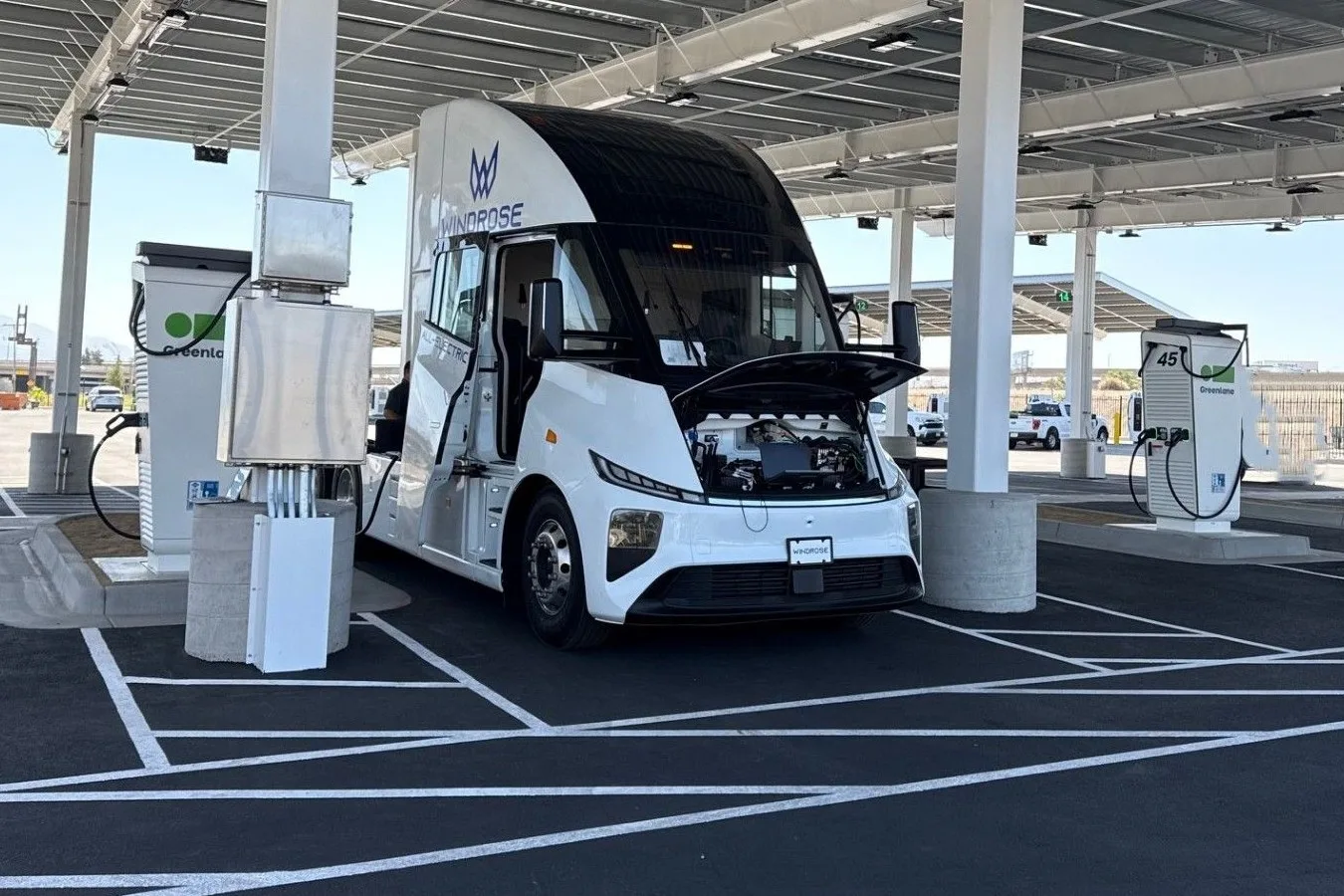
Windrose, founded just three years ago in Hefei, aimed for rapid global expansion in the heavy-duty electric truck market. However, a director of customer success and operations, Kyle Maki, has publicly claimed the company is 90 days behind on wage payments and operating out of temporary premises, pointing to founder and CEO Wen Han as responsible. These are significant red flags for any startup, particularly one with such grand international ambitions.
The company’s business model relies on designing and developing vehicles, then contracting manufacturing to partners like Anhui Jianghuai Automobile and Higer Bus, rather than owning its production facilities. This asset-light approach can offer flexibility but also exposes it to manufacturing dependencies. Windrose’s flagship product, the R700, boasts an impressive 800-volt architecture, a 729-kWh battery, and a claimed range of over 670 kilometers when fully loaded at 49 tonnes. Despite these technical aspirations, reports indicate only a double-digit number of trucks have been delivered in China, a mere fraction of their ambitious target of 10,000 units by 2027.
Further inconsistencies emerge from their expansion strategy. In July, Windrose announced a $60 million order from US haulier Nevoya, yet Nevoya later stated the deal was not finalized. Partnerships with Chilean logistics firm Trailerlogistics Sudamerica and German testing organization DEKRA for global expansion also paint a picture of aggressive outreach ahead of demonstrated operational stability. CEO Wen Han had also previously secured non-binding orders for 6,400 vehicles, “mainly from the US,” for delivery within three years, alongside plans for assembly plants in the US and Belgium. For oil and gas investors, these setbacks in the heavy-duty EV sector are not isolated incidents. They underscore the immense capital, logistical, and market adoption hurdles faced by new energy technologies. A slower, more complex energy transition in critical sectors like long-haul trucking translates directly into a more sustained demand profile for conventional fuels, extending the runway for traditional energy companies and impacting peak oil demand scenarios.
Crude Market Volatility Reflects Broader Energy Uncertainty
The challenges faced by EV innovators like Windrose contribute to a broader market narrative of uncertainty, which is clearly reflected in current crude oil prices. As of today, Brent crude trades at $90.38 per barrel, marking a significant 9.07% decline within the day, having fluctuated between $86.08 and $98.97. Similarly, WTI crude sits at $82.59, down 9.41%, trading today between $78.97 and $90.34. This acute daily volatility comes on the heels of a noticeable 14-day downtrend, with Brent having fallen from $112.78 on March 30th to $91.87 just yesterday, representing an 18.5% drop. Such price movements underscore a market grappling with a complex mix of geopolitical risks, demand uncertainties, and the broader narrative surrounding the energy transition.
These daily swings naturally feed into investor anxieties, with many of our readers asking what the price of oil per barrel will be by the end of 2026. While no single event dictates the future, the mixed signals from the new energy sector, alongside traditional supply-demand fundamentals, create a highly dynamic forecast environment. The current retreat in crude prices, alongside a 5.18% drop in gasoline to $2.93, suggests immediate market concerns that, at least for now, are outweighing the longer-term implications of a potentially slower EV rollout.
Forthcoming Events and the Enduring Influence of Supply-Side Management
Despite the long-term energy transition narrative, the immediate future of crude markets remains heavily influenced by traditional supply-side management and inventory data. Investors must closely monitor several critical upcoming events. This Saturday, April 18th, marks the OPEC+ Joint Ministerial Monitoring Committee (JMMC) meeting, followed by the Full Ministerial OPEC+ meeting on Sunday, April 19th. These gatherings are pivotal, as our readers frequently inquire about OPEC+’s current production quotas and their strategy for market stability. Any signals regarding production adjustments or compliance levels will send ripples through the market, potentially shifting the current price trajectory.
Further insights into market balances will come from the API Weekly Crude Inventory on April 21st and the EIA Weekly Petroleum Status Report on April 22nd, with subsequent reports on April 28th and 29th, respectively. These weekly data points provide a granular view of US supply and demand, informing short-term price movements. The Baker Hughes Rig Count, scheduled for April 24th and May 1st, will also offer crucial indicators on future production capacity, particularly in North America. These supply-side dynamics continue to hold significant sway over crude prices, buffering against rapid shifts away from fossil fuels even as new energy solutions face significant hurdles.
Strategic Investment in a Multi-Speed Energy Future
The situation at Windrose, with its alleged insolvency and unfulfilled promises, highlights the high-risk, high-reward nature of nascent technologies in the energy transition. For oil and gas investors, this reinforces the value of established players with robust balance sheets, operational expertise, and diversified portfolios. The idea that heavy-duty transport will rapidly electrify needs to be tempered with the reality of developing, scaling, and commercializing such complex vehicles across diverse global markets. The 150 employees at Windrose, a relatively small team, underscore the immense challenge of competing with established automotive giants or well-funded startups.
With readers asking about the performance outlook for companies like Repsol by April 2026, it is clear that individual stock performance remains a key focus. While we cannot provide specific stock advice, the broader context suggests that integrated energy companies with strong upstream, midstream, and downstream operations, alongside strategic investments in lower-carbon solutions, are better positioned to weather the multi-speed energy transition. The alleged insolvency of a company like Windrose, even if a relatively small player in the grand scheme, reinforces the thesis that the shift to electric mobility, particularly in heavy-duty sectors, will be gradual and fraught with challenges, sustaining demand for conventional fuels longer than some aggressive forecasts suggest. Prudent investors will continue to focus on companies demonstrating operational efficiency, disciplined capital allocation, and a clear strategy to adapt to evolving energy landscapes, recognizing that the era of fossil fuels is far from over, even as new technologies emerge.