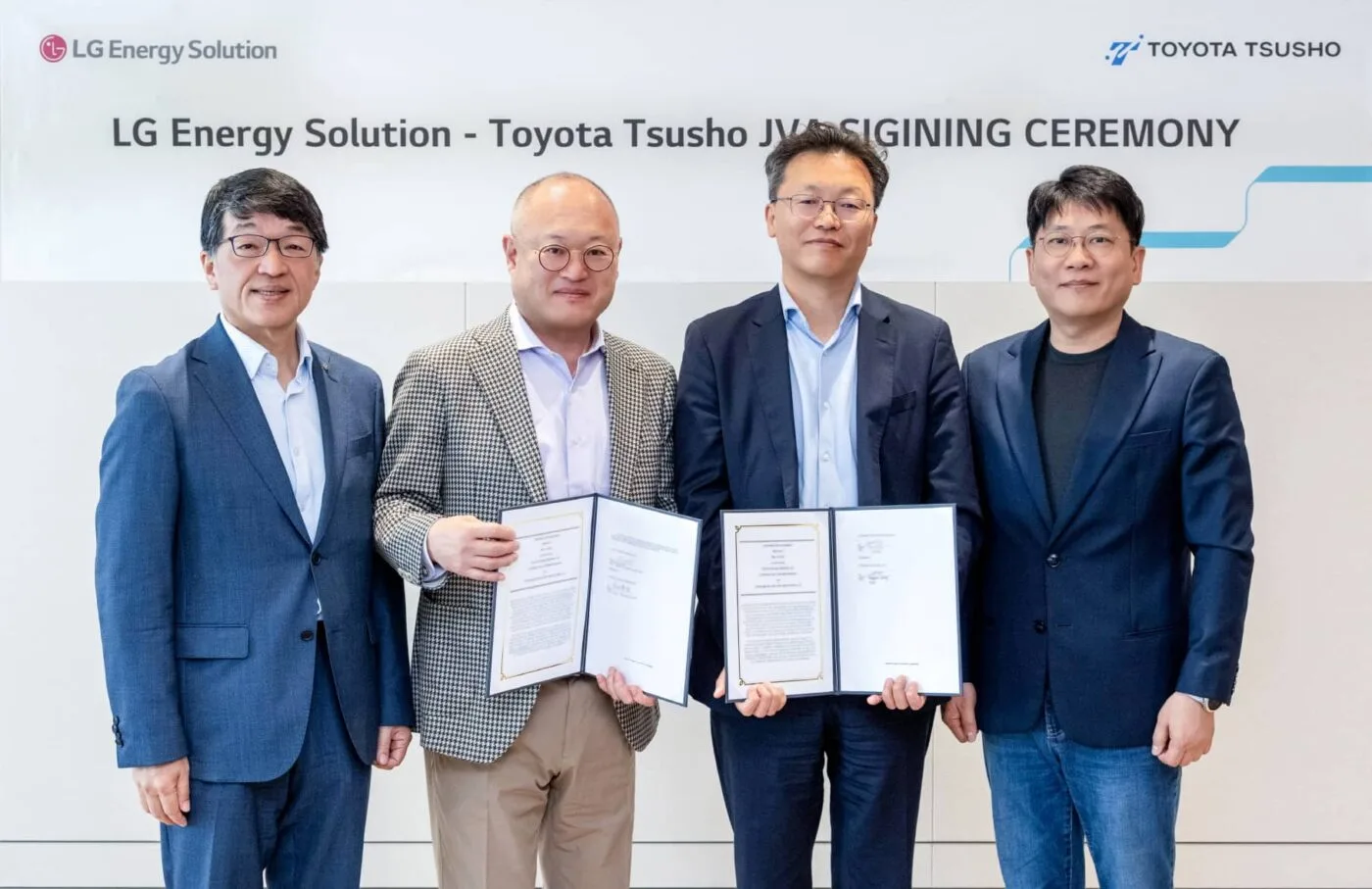
The global energy landscape continues to present a complex mosaic for investors, characterized by both persistent volatility in traditional markets and a strategic acceleration towards new energy paradigms. As of today, Brent crude trades at $90.38 per barrel, reflecting a significant 9.07% downturn, with WTI crude following a similar trajectory at $82.59, down 9.41%. This sharp correction, following a 14-day trend that saw Brent fall by over 18% from $112.78 to $91.87, underscores the dynamic nature of commodity markets. Amidst this backdrop, a pivotal development in the burgeoning electric vehicle (EV) battery sector signals a profound shift: LG Energy Solution (LGES) and Toyota Tsusho are forging a joint venture, Green Metals Battery Innovations, dedicated to establishing a robust battery recycling infrastructure in the United States. This move is more than just an operational expansion; it’s a strategic play to secure critical materials, localize supply chains, and build resilience in the face of future energy demands, offering a compelling area of focus for forward-thinking investors.
Navigating Volatility: The Broader Energy Landscape and Strategic Shifts
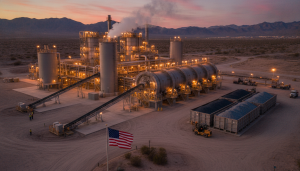
The current state of the oil market, with Brent struggling to maintain the $90 threshold and gasoline prices dipping to $2.93 after a 5.18% drop, highlights the inherent uncertainties faced by energy investors. This volatility isn’t isolated; it influences capital allocation across the entire energy spectrum. While traditional energy sources grapple with supply-demand dynamics and geopolitical pressures, the urgency to de-risk and diversify is palpable. The LGES and Toyota Tsusho collaboration represents a direct response to this broader strategic imperative, shifting focus from raw extraction to circularity within the energy supply chain. By establishing a battery recycling pre-processing plant in North Carolina, slated to commence operations in 2026, the partners are laying foundational infrastructure for a future where critical minerals are recovered and reused, thereby reducing reliance on volatile primary markets and enhancing national energy security.
This initiative, targeting an annual processing capacity of 13,500 tons of scrap – equivalent to over 40,000 car batteries – directly addresses a critical vulnerability in the nascent EV ecosystem. The immediate and calculable supply of battery materials from production scrap and unused batteries, rather than solely relying on end-of-life vehicle batteries, offers a more predictable feed for the recycling process. This strategic foresight provides a degree of stability not often found in primary commodity markets, making the venture particularly attractive from an investment perspective focused on long-term resource management and supply chain resilience.
Building a Circular Economy: North America’s Bid for Battery Material Security
The Green Metals Battery Innovations joint venture is a significant step towards localizing the EV battery supply chain in North America. Currently, the post-processing stage, where valuable elements are extracted from the “black mass” (the crushed battery material from pre-processing), is heavily concentrated in Asia. This necessitates the transport of processed materials across the globe, undermining environmental goals and creating supply chain vulnerabilities. The North Carolina plant, focused initially on producing black mass, is explicitly designed as a preliminary step in a broader vision for a “battery-to-battery closed-loop system.”
This regionalization effort is driven by more than just environmental concerns; it’s a strategic imperative for economic security. By bringing key stages of the recycling process closer to home, the United States aims to reduce its dependency on foreign sources for critical battery minerals, mitigating geopolitical risks and fostering domestic industrial growth. The commitment from LG Energy Solution to supply scrap generated during its production of EV batteries for Toyota Motor further solidifies the immediate operational viability and strategic alignment of this venture. This integrated approach, where manufacturing waste directly feeds the recycling pipeline, enhances efficiency and accelerates the establishment of a truly circular economy within the North American battery sector, bolstering long-term competitiveness.
Investor Focus: Securing Future Supply in a New Energy Paradigm
Investor inquiries, as tracked by our proprietary intent data, consistently highlight a keen interest in long-term energy outlooks and the trajectory of specific companies within the evolving energy sector. Many investors are currently asking about the predicted price of oil per barrel by the end of 2026, signaling a forward-looking perspective that extends beyond immediate market fluctuations. This same analytical rigor is increasingly being applied to the critical mineral and battery supply chains. The LGES-Toyota venture directly addresses this investor appetite for certainty and strategic positioning in future energy markets.
By securing a stable supply of key battery materials through localized recycling, the joint venture aims to enhance the competitiveness of both partners in the North American market. This move aligns with growing investor demand for companies demonstrating robust ESG (Environmental, Social, and Governance) strategies, as a circular economy for batteries significantly reduces the environmental footprint of EV production. Furthermore, the commitment to “innovative and differentiated technologies” in recycling promises potential for efficiency gains and cost reductions over time, directly impacting the profitability and market position of the participants. For investors navigating the complex transition, understanding these foundational investments in future supply chains is as critical as monitoring traditional energy metrics.
Key Dates and Catalysts: What’s Next for Energy Supply Chains
While traditional energy investors keenly await the outcomes of the upcoming OPEC+ Joint Ministerial Monitoring Committee (JMMC) on April 18th and the full Ministerial Meeting on April 19th, which will undoubtedly influence global crude supply policy, strategic developments in the new energy sector, like the LGES/Toyota JV, represent equally significant catalysts for future supply chain resilience. The 2026 operational date for the North Carolina pre-processing plant marks a concrete milestone in the journey towards a localized battery materials ecosystem.
Beyond this initial phase, the vision for Green Metals Battery Innovations extends to establishing a subsequent post-processing stage in North America. This crucial next step, transforming black mass into usable raw materials, is essential for truly closing the loop and eliminating the need to ship these intermediate products overseas. Investors should monitor progress on this front, as the full integration of both pre- and post-processing within the region would unlock significant value, further de-risk the EV supply chain, and position the partners at the forefront of the circular economy. The ongoing commitment to regional cycling of battery operations globally by both LGES and Toyota underscores a long-term strategy that promises sustained growth and stability in the critical minerals sector, mirroring the strategic importance of supply management in traditional energy markets.