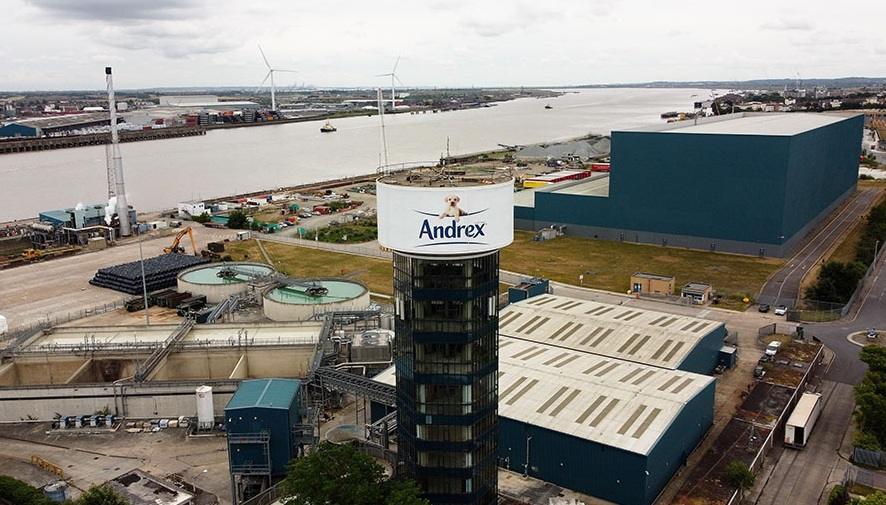
The energy transition continues to carve out significant opportunities for savvy investors, and a recent move by Kimberly-Clark UK & Ireland underscores a pivotal shift in industrial energy strategy. The consumer products giant, known for household brands like Andrex and Kleenex, is making a substantial commitment to green hydrogen, investing over US$168.9 million into infrastructure across its UK manufacturing sites. This isn’t merely an environmental gesture; it’s a strategic de-risking maneuver designed to replace volatile natural gas with a stable, domestically produced clean energy source. For investors watching the evolving energy landscape, K-C’s decision serves as a powerful indicator of where capital is flowing and the long-term value proposition of industrial decarbonization.
Industrial Giants Anchor Green Hydrogen Adoption
Kimberly-Clark’s commitment to green hydrogen marks a critical milestone for industrial decarbonization in the UK and sets a precedent for other energy-intensive manufacturers. With an investment exceeding US$168.9 million, the company plans to establish green hydrogen facilities at its Northfleet (Kent) and Barrow-in-Furness (Cumbria) sites, directly adjacent to its production lines. This move is designed to replace natural gas currently used for steam generation, a cornerstone process in tissue manufacturing. The scale of this transition is significant: K-C aims to reduce its operational greenhouse gas emissions by over 80% in the UK by 2027, benchmarked against a 2015 baseline. More concretely, the initiative is projected to deliver a 50% reduction in natural gas consumption across its UK production lines from 2027, relative to its 2024 usage. The Barrow project alone is set to produce 100 GWh of green hydrogen annually, with Northfleet adding another 47 GWh. Combined, these facilities are expected to cut carbon emissions by 28,500 tonnes per year. This deep integration of green hydrogen directly into core industrial processes highlights a growing trend among major corporations to secure energy stability and meet ambitious sustainability targets through direct investment in clean alternatives.
Navigating Volatility: Green H2 as a Strategic Hedge Amidst Shifting Oil Markets
The strategic value of K-C’s long-term green hydrogen agreements becomes particularly clear when we consider the current state of global energy markets. As of today, Brent crude trades at $90.38, reflecting a sharp 9.07% decline in a single trading day, with WTI crude similarly down 9.41% to $82.59. This recent downturn continues a broader trend, with Brent having fallen from $112.78 just two weeks prior, representing an 18.5% drop. While such immediate price dips might make natural gas temporarily seem more attractive, K-C’s decision underscores a long-term perspective. Industrial players are not just reacting to daily fluctuations; they are hedging against the inherent volatility and geopolitical risks associated with fossil fuels. The commitment to a fixed-price, long-term green hydrogen supply provides a predictable energy cost structure, crucial for budgeting and operational stability. This strategic foresight protects against future price spikes and supply disruptions, offering a compelling alternative to the roller-coaster ride of conventional energy commodities. For investors, understanding this defensive play is key to identifying resilient businesses in an unpredictable energy landscape.
Policy Tailwinds and Investor Outlook: Fueling the Future of Industrial Energy
K-C’s green hydrogen projects are not just corporate initiatives; they are bolstered by significant government backing, signaling strong policy tailwinds for the nascent green hydrogen economy. Both the Barrow and Northfleet facilities received support through the UK Government’s Hydrogen Production Business Model and Net Zero Hydrogen Fund, having been selected under Hydrogen Allocation Round One (HAR1). Planning approvals are already secured, with Barrow receiving consent in June 2023 and Northfleet in August 2024. This government support de-risks early-stage investments and accelerates deployment, a crucial factor for investors assessing the viability of new energy projects. Our proprietary reader intent data shows that investors are keenly focused on long-term oil price predictions and the impact of OPEC+ production quotas. This reflects a fundamental concern about future energy costs and supply stability. K-C’s embrace of green hydrogen directly addresses these anxieties, offering a pathway to energy independence and predictable operating expenses, insulating operations from the whims of global oil cartels and commodity markets. As we look ahead to upcoming events like the OPEC+ Ministerial Meeting this weekend and the API/EIA inventory reports next week, the potential for renewed oil price volatility remains high, further validating the strategic imperative behind K-C’s green hydrogen push.
Investment Implications: The Green Hydrogen Supply Chain Opportunity
The K-C venture highlights significant investment opportunities extending beyond the immediate industrial off-takers into the broader green hydrogen supply chain. The partnership with Carlton Power and HYRO – a joint venture between Octopus Energy Generation and RES – showcases the collaborative ecosystem required to bring these large-scale projects to fruition. Investors should track companies involved in electrolysis technology, renewable energy generation (wind and solar farms powering the electrolyzers), hydrogen storage, and distribution infrastructure. The development of 147 GWh of annual green hydrogen production capacity for K-C alone represents a substantial market for these specialized services and technologies. As other industrial players follow suit, driven by decarbonization mandates and the desire for energy cost certainty, the demand for integrated green hydrogen solutions will only grow. This burgeoning sector offers diversified investment avenues, from established energy players pivoting into renewables to innovative startups developing next-generation hydrogen technologies. The K-C project, with its clear targets for emissions reduction and natural gas displacement, serves as a tangible example of the capital deployment now underway in the green hydrogen space, creating a compelling narrative for long-term growth and value creation.


