In the dynamic and often volatile world of oil and gas, strategic investment extends beyond drilling rigs and pipeline infrastructure to the very talent that drives the industry forward. The next generation of energy professionals, currently honing their skills in academia, represents a critical future asset. Equipping these nascent analysts, engineers, and strategists with the right tools is not merely about personal productivity; it’s a foundational investment in the industry’s capacity for innovation, rapid analysis, and data-driven decision-making. As senior analysts, we recognize that the computational power and reliability of their equipment directly impact their ability to interpret complex market signals, optimize operations, and forecast future trends. This analysis delves into the essential technology choices for these future energy leaders, emphasizing how superior tools translate into tangible value for the sector.
The Evolving Toolkit for Energy Analytics and AI Integration
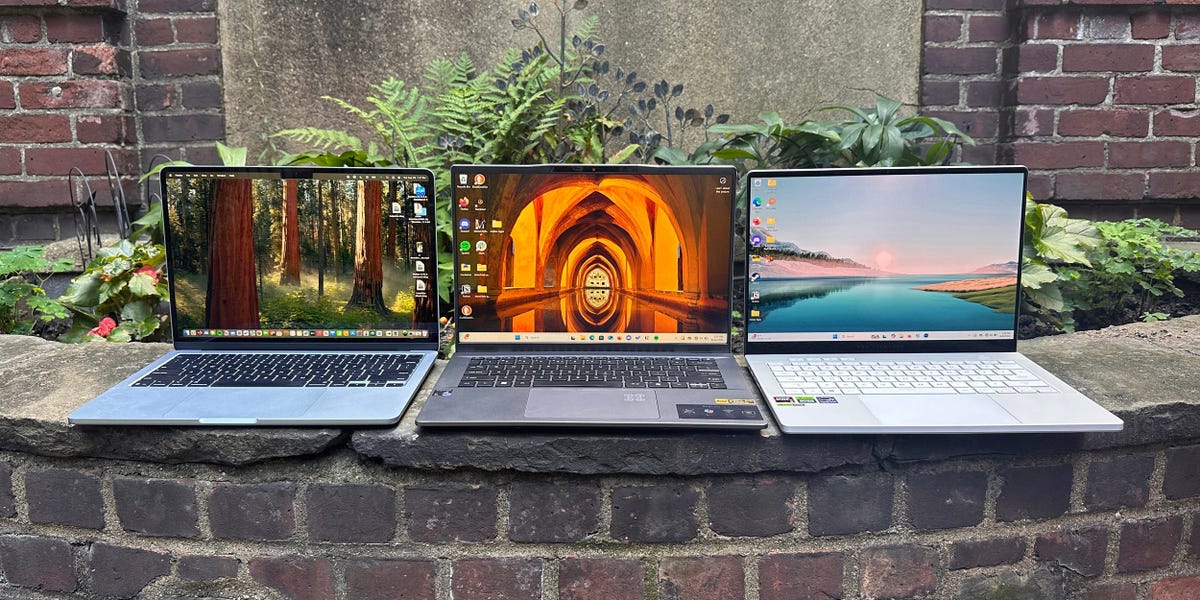
The demands placed on future energy professionals are escalating. From modeling complex reservoir simulations to running intricate market analytics and developing sustainable energy solutions, their work requires significant analytical horsepower. Modern laptops are no longer just word processors; they are mobile workstations capable of handling demanding computational tasks. Consider the Acer Swift Go 14 AI, which stands out as a prime example of a machine tailored for this new era. Its integrated AI capabilities and robust processing power are crucial for students learning to leverage advanced algorithms for predictive maintenance, optimizing logistics, or even developing new exploration techniques. The unbelievably long battery life ensures that critical analyses aren’t interrupted, whether in a lecture hall or during an intensive field study simulation. This level of performance and endurance is not a luxury but a necessity for processing the vast datasets inherent in the energy sector, from seismic imaging to real-time production metrics, ultimately fostering a more efficient and data-centric workforce.
Navigating Market Volatility: Why Reliable Tech Matters
The energy market is perpetually in flux, demanding constant vigilance and rapid analytical responses from its professionals. As of today, Brent Crude trades at $98.38, down 1.02% with a day range between $98.11 and $98.38. WTI Crude mirrors this sentiment at $89.89, down 1.4%, moving between $89.57 and $90.09. This intraday volatility is symptomatic of a broader trend; over the last 14 days, Brent has seen a significant swing, dropping from $108.01 on March 26th to $94.58 on April 15th, representing a substantial $13.43 or 12.4% decrease. In such an environment, the ability of future analysts to monitor, process, and react to real-time market data is paramount. A high-performance, reliable laptop, such as the newest 13-inch MacBook Air, offers the speed and efficiency necessary to keep pace. For those entrenched in market analysis, generating reports, or collaborating on trading strategies, the seamless performance and robust ecosystem of such devices ensure that critical insights are not delayed by technical limitations. Investing in these tools for our future workforce is an investment in their capacity to navigate and potentially capitalize on market shifts, directly impacting profitability and risk management.
Anticipating Future Demands: Preparing for Key Industry Events
The energy calendar is punctuated by events that can send ripples across global markets, and future energy professionals must be prepared to analyze their impact. The coming weeks are particularly active, with the Baker Hughes Rig Count scheduled for April 17th and 24th, providing crucial insights into drilling activity. More critically, the OPEC+ Joint Ministerial Monitoring Committee (JMMC) meets on April 18th, followed by the full OPEC+ Ministerial Meeting on April 20th. These gatherings often dictate global supply policies, directly influencing prices and production strategies. Shortly after, the API Weekly Crude Inventory (April 21st, 28th) and the EIA Weekly Petroleum Status Report (April 22nd, 29th) will offer granular data on U.S. stockpiles and demand. For students tasked with modeling the outcomes of these events, preparing comprehensive pre-meeting analyses, or conducting post-announcement impact assessments, a high-end machine like the Asus ROG Zephyrus G14 (2024) becomes an invaluable asset. Its superior processing power and graphics capabilities are ideal for running complex simulations, visualizing large data sets, and generating predictive models that can inform strategic decisions long before these future professionals enter the boardroom.
Addressing Investor Concerns: The Value Proposition of High-Performance Tools
Our proprietary reader intent data reveals a keen interest among investors in the operational mechanics of market intelligence. Questions such as “What data sources does EnerGPT use? What APIs or feeds power your market data?” and “What are OPEC+ current production quotas?” underscore a demand for transparency and deep analytical capability. Furthermore, inquiries like “Why should I use EnerGPT?” highlight the industry’s push towards leveraging advanced AI for insights. This directly correlates with the need to equip future energy professionals with superior technological tools. A high-performance laptop, capable of handling complex software and vast data streams, is the essential conduit through which these future leaders will interact with and interpret advanced platforms like EnerGPT. The difficulty in finding truly effective “budget” laptops, as noted in recent market observations, reinforces the argument that for critical energy analysis, compromising on hardware is a false economy. Investing in robust, fast, and long-lasting machines ensures that our future talent can effectively tap into diverse data sources, analyze production quotas, and contribute to the sophisticated models that power platforms designed to give our investors an edge. This isn’t just about productivity; it’s about empowering the next generation to deliver the precise, timely, and comprehensive market intelligence that investors demand.


