India is embarking on an aggressive transformation of its transportation sector, a move that carries significant implications for global oil demand and energy investment portfolios. The government’s recently unveiled operational guidelines for the PM E-DRIVE scheme signal a decisive push towards electrification, targeting the deployment of over 72,000 public EV chargers and battery-swap stations nationwide. Backed by approximately €220 million (2,000 crore) in subsidies, this initiative is not merely an incremental step; it represents a foundational shift in one of the world’s most dynamic and populous economies, positioning India to significantly impact the long-term trajectory of crude oil consumption and, by extension, the strategies of oil and gas investors globally.
India’s Electrification Ambition: A Demand-Side Disruptor
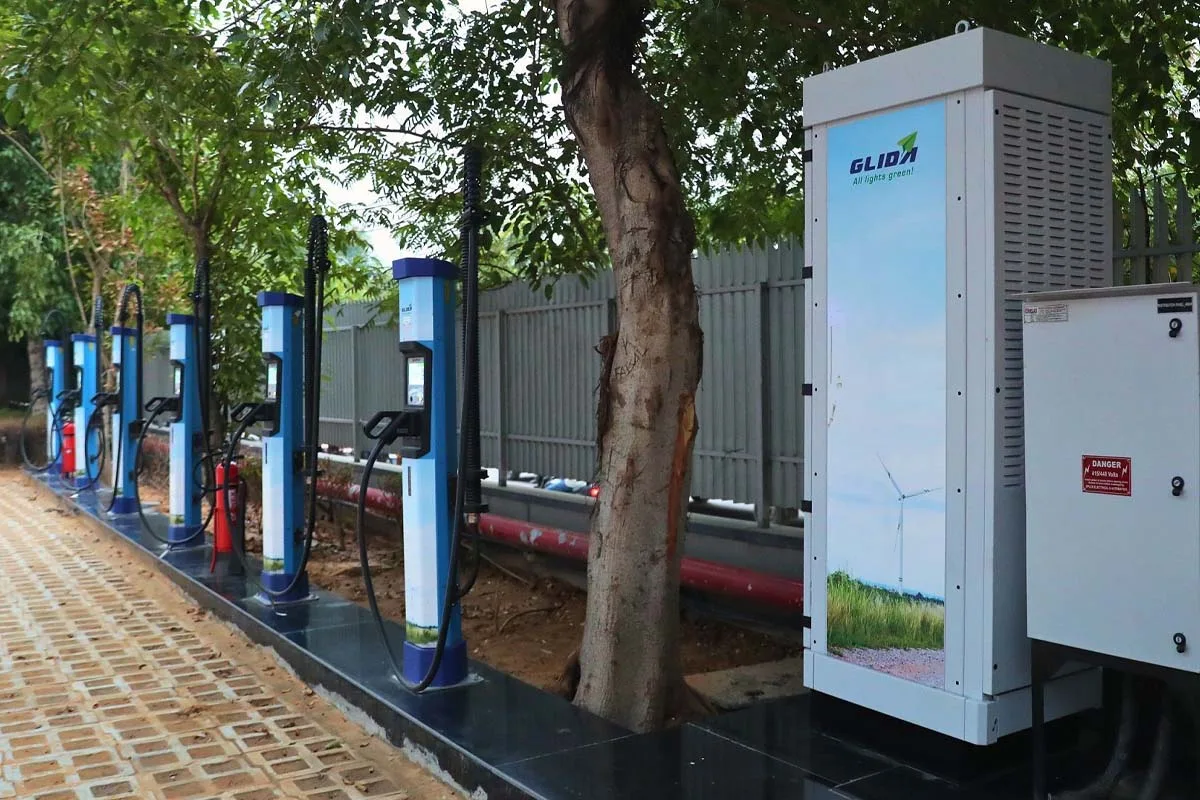
The sheer scale of India’s EV infrastructure plan underscores its potential to reshape domestic energy demand. The PM E-DRIVE scheme allocates support for 22,100 fast chargers for four-wheeled EVs, 1,800 dedicated bus chargers, and a substantial 48,400 chargers tailored for two and three-wheelers, reflecting the popularity of these vehicle segments across the country. Critically, the program also extends support to battery swapping stations, a technology with the potential to significantly accelerate EV adoption by addressing range anxiety and charging times, particularly for commercial fleets and last-mile logistics. If fully realized, this deployment of over 72,000 charging sites would immediately place India among the world’s largest charging markets, rivaling the extensive infrastructure of China and comfortably surpassing the current capabilities of most European nations. For energy investors, this represents a clear signal: a major global oil demand growth engine is actively investing in technologies designed to reduce its reliance on fossil fuels, creating a significant headwind for future crude consumption forecasts.
Subsidies and Strategic Investment in Charging Infrastructure
The financial architecture supporting this transition is robust, designed to de-risk investment and accelerate deployment. The €220 million in subsidies is strategically distributed, covering both EV Supply Equipment (EVSE) and essential upstream infrastructure like cabling, fencing, and transformers. Public chargers installed at government buildings will receive full subsidies, encompassing both upfront infrastructure and EVSE, as well as upstream costs. Transport hubs such as airports, train stations, bus depots, metro stations, and highway stops will benefit from an 80% subsidy for upstream infrastructure and 70% for EVSE. Even private locations like shopping centers or market complexes are incentivized with an 80% upstream infrastructure subsidy. Furthermore, battery swapping stations, critical for high-utilization vehicles, will receive an 80% infrastructure subsidy across all locations. Benchmark costs further illustrate the scope of support: upstream infrastructure subsidies range from Rs 6.04 lakh for chargers up to 50 kW to Rs 24 lakh for those above 150 kW, while EVSE costs are subsidized at Rs 7.25 lakh for a 50 kW CCS2 charger and Rs 11.68 lakh for a 100 kW CCS2 charger. These comprehensive subsidies make the development of EV charging networks an increasingly attractive proposition, drawing private capital into this burgeoning sector and solidifying the long-term shift away from petroleum-based transport fuels. Many investors are currently scrutinizing the trajectory of global oil demand, often asking about the long-term price outlook for crude by the end of 2026. India’s aggressive push into EVs, heavily backed by state subsidies, directly informs this outlook by projecting a significant shift in transportation fuel consumption, suggesting a structural pressure point on demand growth.
Navigating Current Market Volatility Amidst Future Demand Shifts
While India lays the groundwork for future demand displacement, the immediate oil market remains highly dynamic. As of today, April 19, 2026, Brent Crude trades at $90.38 per barrel, marking a significant 9.07% decline within the day, having ranged from $86.08 to $98.97. WTI Crude mirrors this volatility, sitting at $82.59, down 9.41% on a day that saw prices fluctuate between $78.97 and $90.34. This recent dip comes on the heels of a broader retreat, with Brent having fallen from $112.78 on March 30th to its current level, representing a nearly 20% drop in just over two weeks. Gasoline prices have also seen considerable movement, currently at $2.93, a 5.18% drop today. This short-term volatility highlights the various pressures on the market, from geopolitical tensions to macroeconomic concerns, all while the long-term threat of demand erosion from electrification efforts in key growth markets like India steadily builds. Investors, keenly watching these market movements, are also asking about OPEC+’s current production quotas and how they might respond to a softening demand outlook.
Upcoming Events and Strategic Positioning for Oil & Gas Investors
The energy calendar over the next two weeks is packed with critical events that will further shape market sentiment and price action, offering crucial signals for investors navigating this evolving landscape. Today, April 19th, the OPEC+ Full Ministerial Meeting is a pivotal event. Decisions made by the cartel regarding production quotas will directly influence global supply, a key point of interest for our readers asking about the future price of oil per barrel by the end of 2026. Any indication of further cuts or an extension of existing agreements could provide a floor to prices, while a loosening of policy could exacerbate current downward pressure. Beyond OPEC+, weekly inventory data provides ongoing insights into market balances: the API Weekly Crude Inventory reports are scheduled for April 21st and April 28th, followed by the authoritative EIA Weekly Petroleum Status Reports on April 22nd and April 29th. These reports offer granular data on U.S. crude, gasoline, and distillate stocks, providing a proxy for demand health. Furthermore, the Baker Hughes Rig Count on April 24th and May 1st will shed light on North American drilling activity, signaling future supply trends. For investors, integrating India’s long-term EV strategy with these immediate market catalysts is crucial. While short-term supply dynamics and geopolitical events will continue to drive day-to-day volatility, the structural shift in demand from India’s ambitious electrification program represents a potent long-term headwind for crude oil. Savvy investors should consider diversifying their portfolios, evaluating opportunities in the burgeoning EV infrastructure sector, and carefully monitoring how traditional oil and gas companies adapt their strategies to this changing global energy matrix. The question of how well companies like Repsol will perform by the end of April 2026 underscores the need for continuous, data-driven analysis in a market defined by both immediate fluctuations and profound long-term transformations.