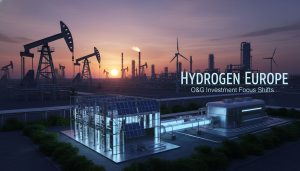
Hydrogen Builder Revival: New Investment Opportunities
The energy transition continues to carve out new investment frontiers, and hydrogen infrastructure is rapidly emerging as a compelling sector. This year marks a significant resurgence in the development of hydrogen filling stations, driven by substantial government backing. A consortium of eight partnerships is set to receive €40 million in subsidies, channeling critical capital into expanding the hydrogen refueling network and accelerating the adoption of hydrogen-powered vehicles, particularly in heavy-duty transport. For astute investors monitoring the evolving energy landscape, these developments signal a pivotal moment, offering unique opportunities as the hydrogen economy solidifies its footprint.
Strategic Expansion of Hydrogen Refueling Infrastructure
The latest allocation of €40 million in subsidies underscores a clear strategic intent to bolster hydrogen mobility. This funding will support eight distinct partnerships in building and expanding the hydrogen network. New hydrogen refueling stations are slated for construction in key locations including Meerkerk, Steenwijk, Hattemerbroek, and Woerden. Furthermore, four existing refueling stations in other municipalities will undergo significant upgrades to incorporate hydrogen vehicle refueling capabilities. This geographical spread is crucial for establishing a viable network, alleviating range anxiety, and encouraging broader adoption. The initiative also extends beyond static infrastructure, with partners utilizing the subsidies to acquire a total of 355 hydrogen vehicles. The overwhelming majority of these are heavy-duty vehicles, signaling a clear focus on decarbonizing commercial logistics and public transport, including hydrogen-powered passenger buses. This targeted approach towards high-utilization vehicle segments is expected to drive demand for the new and expanded refueling stations, creating a virtuous cycle for infrastructure growth.
Navigating Volatile Markets: Hydrogen as a Diversifier
In a period marked by significant price swings in conventional energy markets, the push for hydrogen infrastructure presents an intriguing diversification opportunity for investors. As of today, Brent Crude trades at $90.38, reflecting a substantial daily decrease of 9.07%, with its day range fluctuating between $86.08 and $98.97. Similarly, WTI Crude stands at $82.59, down 9.41% for the day, having traded between $78.97 and $90.34. Gasoline prices have also seen a drop to $2.93, a 5.18% decline. This short-term volatility is juxtaposed against a broader trend; the 14-day Brent trend shows a notable decline from $112.78 to $90.38, a substantial 19.9% reduction. Such market turbulence for traditional fuels can heighten the appeal of alternative energy investments like hydrogen, which benefit from long-term policy support and a distinct value proposition tied to decarbonization. While hydrogen’s cost competitiveness is still evolving, sustained volatility in crude markets can accelerate the economic viability of green alternatives, prompting investors to seek stability and growth in emerging energy sectors.
Forward Outlook: Upcoming Events and Investor Insights
The trajectory of energy markets and, by extension, the hydrogen economy, will be influenced by several key upcoming events. Investors are keenly watching the OPEC+ Joint Ministerial Monitoring Committee (JMMC) Meeting on April 19th, followed by the full OPEC+ Ministerial Meeting on April 20th. Decisions from these gatherings regarding production quotas could significantly impact global crude supply and price stability, indirectly affecting the competitive landscape for alternative fuels. A decision to maintain or reduce quotas could tighten supply, potentially making hydrogen more attractive. Furthermore, weekly data points like the API Weekly Crude Inventory (April 21st, 28th) and the EIA Weekly Petroleum Status Report (April 22nd, 29th) offer crucial insights into demand and supply dynamics in the oil sector. These reports, alongside the Baker Hughes Rig Count (April 24th, May 1st), provide a continuous pulse on the traditional energy industry. As our readers frequently ask about the future price of oil, predicting “what the price of oil per barrel will be by the end of 2026” underscores a desire for clarity in a complex market. The ongoing investment in hydrogen, supported by subsidies, serves as a tangible hedge against this uncertainty, offering a growth vector independent of crude supply-side politics. It suggests a future where diverse energy portfolios, including hydrogen, could mitigate risks associated with fluctuating fossil fuel markets and geopolitical influences on traditional energy sources.
Investment Angles and Strategic Positioning in the Hydrogen Economy
For investors, the current hydrogen infrastructure boom presents multiple avenues for engagement. Companies involved in the engineering, procurement, and construction (EPC) of refueling stations, hydrogen production technologies (electrolyzers), and specialized vehicle manufacturing stand to gain significantly. The focus on heavy-duty vehicles, in particular, points to opportunities in industrial hydrogen applications and long-haul logistics. Traditional energy players, like those investors are inquiring about when they ask how a company like Repsol might perform, are increasingly diversifying into hydrogen, recognizing its strategic importance in the energy transition. These integrated companies often possess the capital, infrastructure expertise, and distribution networks to scale hydrogen initiatives effectively. Moreover, the long-term nature of these infrastructure projects, backed by government subsidies, provides a degree of investment stability often sought in volatile markets. While the initial capital outlay for hydrogen infrastructure is substantial, the blend of public funding and growing private sector commitment de-risks early-stage development. Investors should look for companies with strong governmental partnerships, robust supply chain integration, and scalable technology. The questions our readers pose, such as “What are OPEC+ current production quotas?”, highlight a broader concern about long-term energy security and sustainability, a concern that hydrogen, with its potential for local production and reduced emissions, directly addresses.