

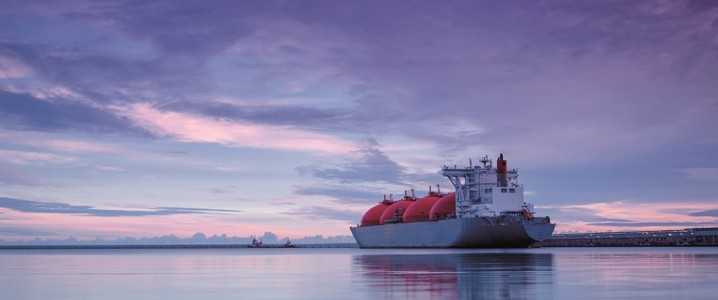
Qatar’s state-owned energy giant QatarEnergy has stopped all liquefied natural gas (LNG) production, shutting down the country’s entire LNG output after Iranian drone strikes hit its major facilities at Ras Laffan and Mesaieed. The shutdown removes roughly 20% of the world’s LNG supply from the market and sends ripples through already volatile global energy markets.
QatarEnergy said in a statement on its website Monday that “due to military attacks on QatarEnergy’s operating facilities in Ras Laffan Industrial City and Mesaieed Industrial City and Mesaieed Industry City… QatarEnergy has ceased production of liquefied natural gas (LNG) and associated products.” No timeline for resuming output was provided.
The military strikes are part of a larger regional escalation following Iranian retaliation in response to ongoing U.S. and Israeli military actions. Attacks on energy infrastructure have also forced shutdowns at Saudi Arabia’s Ras Tanura oil refinery and precautionary suspensions of other Middle East oil and gas output.
Qatar is one of the world’s largest LNG suppliers. Halting its LNG output, which comes from roughly 14 trains and accounts for an estimated one-fifth of global export capacity according to energy market analysis before the conflict, sharply tightens global supply. Analysts warn this disruption could fuel spikes in gas prices across Europe and Asia, which were already climbing amid geopolitical uncertainty.
Natural gas and oil benchmarks spiked on the news; European gas prices jumped sharply, and Brent crude climbed as much as 8–13% in early trade Monday as markets digested the supply shock and broader instability in the Strait of Hormuz.
The Qatari government has not released detailed damage assessments, but the defence ministry confirmed Iranian drones targeted the Ras Laffan facility—a cornerstone of LNG production—and a power plant tank in Mesaieed.
Global energy buyers, including major Asian and European importers locked into long-term contracts with QatarEnergy, now face an unprecedented supply gap that could reverberate through markets and energy security planning.
The situation remains fluid, and QatarEnergy said it would continue to communicate updates to stakeholders as new information becomes available.
By Julianne Geiger for Oilprice.com
More Top Reads From Oilprice.com
