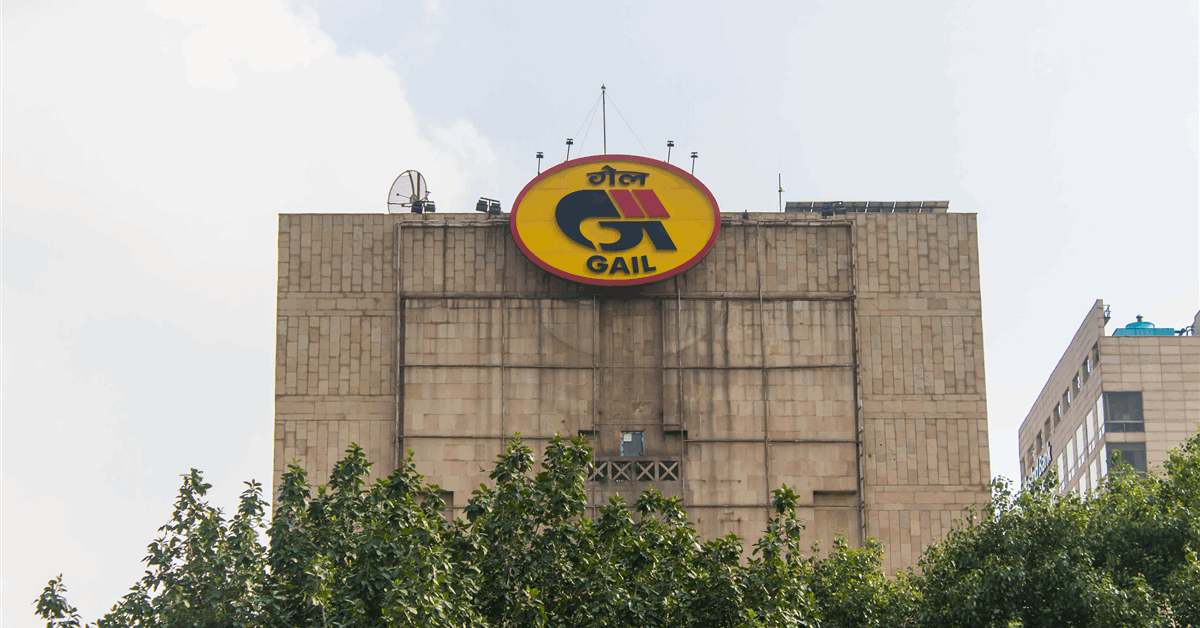
India’s energy landscape is undergoing a significant transformation, underlined by GAIL (India) Limited’s recent long-term liquefied natural gas (LNG) sales and purchase agreement with Vitol Asia Pte. Ltd. This strategic deal, which will see Vitol supply approximately 1 million tonnes per annum (MTPA) of LNG for a decade starting in 2026, is far more than a simple transaction. It represents a critical milestone in India’s ambitious energy transition, bolsters its supply security, and offers valuable insights for investors tracking global natural gas markets and the broader energy complex. For those looking to understand where capital is flowing and what underpins long-term growth in the sector, GAIL’s move provides a clear signal of sustained demand and a strategic approach to managing future energy needs amidst evolving market dynamics.
India’s Strategic Imperative: Fueling Growth with LNG
The core of this agreement lies in India’s rapidly expanding energy requirements and its deliberate shift towards a cleaner primary energy mix. As the world’s fourth-largest LNG importer in 2024, India’s demand for chilled gas is projected to rise steadily over the next decade. The government’s clear mandate to increase natural gas’s share in its primary energy mix from the current 6 percent to an ambitious 15 percent by 2030 underscores this growth trajectory. Such a dramatic increase necessitates robust, long-term supply solutions like the one GAIL has secured with Vitol. This commitment is supported by significant infrastructure development, with India’s LNG regasification capacity nearly doubling from 21 MTPA in 2014, demonstrating the country’s proactive approach to enabling this energy transition. For GAIL, which already operates extensive LNG import facilities and a 16,421-kilometer (10,200 mile) natural gas pipeline network, this deal reinforces its capability to reliably serve a diverse and growing customer base, ensuring sustained operational throughput for its critical assets.
Navigating Volatility: Long-Term LNG Contracts Amidst Shifting Crude Markets
This ten-year LNG supply agreement provides a crucial layer of stability for GAIL in a global energy market often characterized by significant price fluctuations. As of today, Brent crude trades at $94.58 per barrel, reflecting a marginal decline of 0.37% on the day, while WTI sits at $90.85, down 0.48%. This current snapshot follows a more significant downward trajectory observed over the past two weeks, with Brent falling from $108.01 on March 26th to its current level, a $13.43 or 12.4% drop. Such volatility in the crude market often prompts investors to seek out assets and strategies that offer more predictable cash flows and supply chains. Long-term LNG sales and purchase agreements, like GAIL’s with Vitol, serve precisely this purpose. They de-risk future supply, allowing for better planning and reduced exposure to the spot market’s inherent instability. For Vitol, its diversified global LNG portfolio enables it to offer India a stable supply of competitive energy, aligning with its strategy to deepen its presence in the growing Indian market. This interplay between long-term strategic gas deals and short-term crude market swings highlights the nuanced investment landscape in energy, where stability often commands a premium.
The Investor’s Lens: De-risking Supply and Future Opportunities in Asia
Our proprietary reader intent data reveals a strong investor focus on understanding market dynamics, particularly “What’s driving Asian LNG spot prices this week?” and general “base-case Brent price forecasts for next quarter.” This GAIL-Vitol deal directly addresses the underlying concerns behind such questions. By securing 1 MTPA for a decade, GAIL is insulating itself, and by extension the Indian market, from the unpredictable swings of the spot LNG market, which can be particularly volatile in Asia due to demand spikes and supply disruptions. This long-term contract provides a predictable cost structure for a significant portion of future supply, enhancing India’s energy security and making natural gas a more reliable alternative for industrial and power generation sectors. For investors, this signifies a de-risking of GAIL’s operational profile and strengthens its position as a key player in India’s energy infrastructure. Furthermore, it signals robust long-term demand for LNG infrastructure and related services, not just in India but across Asia, where energy transition and economic growth continue to drive demand. Companies involved in LNG liquefaction, shipping, regasification, and pipeline networks stand to benefit from such foundational long-term agreements.
Upcoming Catalysts and the Broader Energy Landscape
While the GAIL-Vitol deal secures long-term gas supply, the broader energy market remains subject to a series of upcoming catalysts that will shape the investment climate. Investors will closely monitor events such as the Baker Hughes Rig Count on April 17th and 24th, which provides crucial insights into drilling activity and potential future supply trajectories in North America. More significantly, the OPEC+ Joint Ministerial Monitoring Committee (JMMC) meeting on April 18th, followed by the Full Ministerial Meeting on April 20th, will be pivotal. Decisions by OPEC+ regarding crude oil production levels have a profound impact on global energy prices and the relative competitiveness of natural gas in the overall energy mix. A decision to tighten crude supply, for instance, could elevate oil prices, potentially making natural gas an even more attractive and cost-effective energy source for rapidly industrializing nations like India. Additionally, the regular API Weekly Crude Inventory (April 21st, 28th) and EIA Weekly Petroleum Status Report (April 22nd, 29th) offer real-time snapshots of U.S. supply and demand, contributing to the broader sentiment that influences all energy investments. These short-term market indicators, while not directly tied to the specifics of the GAIL-Vitol contract, collectively paint the picture of the energy landscape in which such long-term strategic plays are evaluated and executed by discerning investors.


