The recent commissioning of the first phase of Engie and Sungrow’s 200 MW/800 MWh battery energy storage system (BESS) at Vilvoorde, Belgium, marks a significant milestone in Europe’s energy transition. While the oil and gas sector remains central to global energy markets, such developments signal a deepening commitment to renewable integration and grid flexibility that traditional energy investors cannot afford to ignore. This project, touted as mainland Europe’s largest, offers a potent case study for understanding the evolving energy landscape, particularly its long-term implications for natural gas demand and overall portfolio strategy. For astute investors, navigating today’s volatile crude markets requires an acute awareness of these parallel shifts, backed by comprehensive data and forward-looking analysis.
The Vilvoorde Pivot: A Bellwether for European Gas Demand
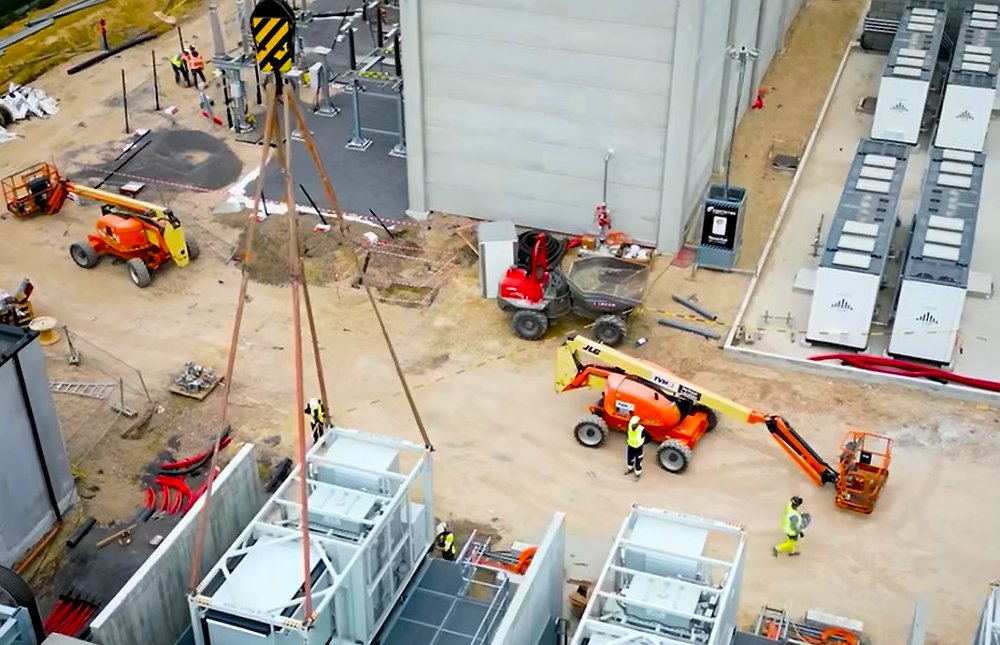
The Engie-Sungrow collaboration at Vilvoorde is more than just another renewable energy project; it’s a strategic pivot with profound implications. Originally conceived as a gas-fired power plant, the site’s transformation into a massive battery storage facility underscores a tangible shift in Europe’s energy infrastructure priorities. With 100 MW/400 MWh already connected to the grid and a second phase targeting completion before 2026 to reach its full 200 MW/800 MWh capacity, Vilvoorde exemplifies the growing reliance on flexible, non-fossil fuel solutions for grid stability. Sungrow’s PowerTitan liquid-cooled battery units, offering enhanced density and thermal performance, showcase the rapid technological advancements driving this transition. For investors focused on the European natural gas market, this project directly competes with, and in this specific instance, *replaces*, what would have been a gas-fired asset. This trend, if replicated across the continent, portends a structural reduction in long-term natural gas demand for power generation, demanding re-evaluation of upstream and midstream gas asset valuations.
Navigating Current Crude Oil Volatility: What Investors Are Asking
Against the backdrop of Europe’s accelerating energy transition, the crude oil market presents its own set of immediate challenges and opportunities. As of today, Brent Crude trades at $90.38, reflecting a sharp 9.07% decline within the day, with a range spanning from $86.08 to $98.97. Similarly, WTI Crude has fallen to $82.59, down 9.41% on the day. This significant daily correction follows a broader trend; our proprietary data indicates Brent has dropped nearly 20% over the past 14 days, from $112.78 on March 30th to its current level. This volatility has prompted many investors to ask what OilMarketCap.com’s readers are asking: “What do you predict the price of oil per barrel will be by end of 2026?” and “What are OPEC+ current production quotas?” While the Vilvoorde BESS project doesn’t directly influence short-term crude prices, it highlights the broader energy diversification theme that could dampen overall fossil fuel demand growth in the long run. The immediate price pressures on crude are likely influenced by macro-economic concerns and supply-demand perceptions, making the upcoming OPEC+ Ministerial Meeting on April 19th a critical event for market direction and investor sentiment.
Europe’s Grid Transformation: Beyond Belgium’s Borders
The Vilvoorde project is not an isolated incident but rather a prominent example of a continent-wide push towards resilient, clean energy grids. While Sungrow claims Vilvoorde as the largest BESS in mainland Europe, acknowledging a recently inaugurated 124 MW/496 MWh project in Bulgaria and the UK’s 300 MW/600 MWh Thurrock site, the sheer scale of the 200 MW/800 MWh planned capacity is undeniable. Engie itself is also developing another substantial 100 MW/400 MWh BESS at Kallo, Belgium, slated for 2027 completion. These projects collectively demonstrate Europe’s strategic imperative to integrate ever-increasing amounts of intermittent renewable energy sources, like wind and solar, without compromising grid stability. For oil and gas investors, this translates into a fundamental shift in baseload power generation requirements, traditionally met by gas. The robust pipeline of BESS projects across the continent indicates a sustained, long-term commitment to reducing fossil fuel dependency in the power sector, irrespective of short-term price fluctuations in crude or natural gas.
Strategic Portfolio Adjustments: Integrating Energy Transition into O&G Plays
Given the dual pressures of immediate market volatility in crude oil and the accelerating structural shifts exemplified by projects like Vilvoorde, oil and gas investors face a complex landscape. The question of “What are OPEC+ current production quotas?” is particularly pertinent ahead of the April 19th Ministerial Meeting, as any adjustments could significantly impact short-to-medium term supply and pricing. Simultaneously, the steady march of BESS deployments signals a long-term erosion of natural gas’s dominance in European power generation. Investors must consider diversifying beyond pure upstream and midstream fossil fuel plays. Opportunities are emerging in companies that are actively participating in the energy transition, whether through renewable energy development, grid infrastructure, or advanced battery technologies. The upcoming API and EIA weekly inventory reports (April 21st/22nd and April 28th/29th) and the Baker Hughes Rig Count (April 24th and May 1st) will provide crucial short-term data points for market positioning within the traditional O&G sector. However, the Vilvoorde example serves as a powerful reminder that long-term strategic decisions require an understanding of how these new energy paradigms will reshape demand, capital allocation, and ultimately, investor returns in the decades to come.