As the global economy races to embrace artificial intelligence, the foundational infrastructure required to power this revolution – massive data centers – is becoming a critical investment frontier. While the United States and China often dominate headlines for their rapid AI scaling, Europe’s approach, characterized by a more deliberate pace and complex regulatory landscape, may be forging a strategic edge for long-term, sustainable energy investment. OilMarketCap.com’s proprietary data pipelines reveal a nuanced interplay between global energy markets, regional power dynamics, and the accelerating demand for digital infrastructure, creating unique opportunities for discerning oil and gas investors.
The Unprecedented Energy Demand of AI Infrastructure
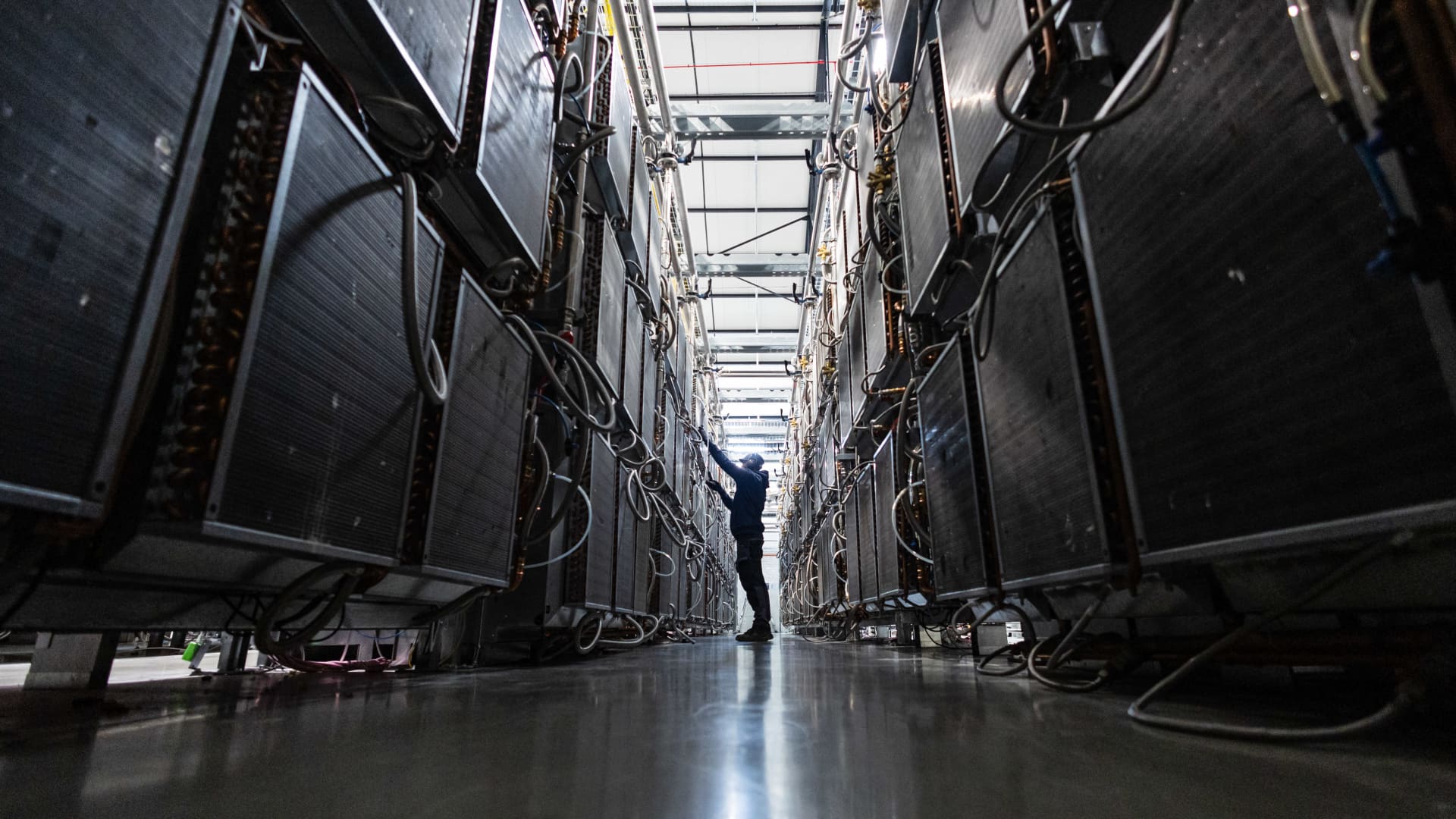
The scale of the impending data center build-out is staggering. Industry experts estimate a global expenditure of up to $7 trillion by 2030 to double or even triple existing data center capacity, a monumental undertaking that dwarfs prior infrastructure booms. While the U.S. is projected to capture the lion’s share of this activity, Europe is not an idle bystander; it is expected to nearly double its current capacity, building at a meaningful rate. This colossal expansion directly translates into an insatiable demand for electricity, placing immense pressure on existing energy grids and generation capabilities. For investors in oil and gas, this signifies a sustained, fundamental demand driver for all forms of energy, particularly natural gas as a crucial bridge fuel for grid stability and for industrial processes involved in manufacturing and construction.
Examining the broader market context, the current energy landscape shows some consolidation after a period of volatility. As of today, Brent Crude trades at $95.49, reflecting a marginal increase of 0.01% within a day range of $93.87-$95.69. WTI Crude stands at $87.29, down 0.15%, fluctuating between $85.50 and $87.47. This snapshot follows a notable trend in the past two weeks, where Brent crude experienced a significant decline, dropping from $118.35 on March 31st to $94.86 on April 20th – a substantial reduction of $23.49 or nearly 20%. This recent downturn highlights the short-term sensitivity of crude prices to various geopolitical and economic factors. However, the underlying, long-term demand surge from sectors like AI infrastructure could provide a robust floor for energy prices, suggesting that while short-term corrections occur, the fundamental appetite for energy remains strong.
European Power Grids: Bottlenecks and Investment Hotspots
Europe’s fragmented markets and stringent regulations present unique challenges, primarily in securing adequate and affordable electricity. This defining bottleneck is reshaping investment flows across the continent. Countries like the Nordics and Spain are emerging as attractive hubs for new data center builds, largely due to their surplus of renewable energy, particularly hydropower, which offers both sustainability and relative cost stability. Italy also presents a compelling case with significantly faster grid connection times, averaging up to three years compared to the European average of four years, according to energy sector analysis. These regions, rich in available power and efficient grid access, are redirecting capital away from traditional data center strongholds.
Conversely, established markets such as Germany, the U.K., Ireland, and the Netherlands are experiencing significant constraints. These “losing” regions face severe grid capacity shortages, in some cases leading to de facto moratoriums on new data center developments. This dynamic forces a diversification away from the traditional FLAP-D markets (Frankfurt, London, Amsterdam, Paris, Dublin) towards areas where energy resources are plentiful and stable. For oil and gas investors, this signifies opportunities in companies involved in power generation projects in these ‘winning’ regions, or those providing flexible energy solutions, including natural gas-fired power plants, that can complement intermittent renewables and stabilize grids in areas undergoing rapid data center expansion.
Forward-Looking Energy Dynamics and Investor Concerns
The European approach, while slower than the U.S., is perceived by some as a safer investment due to its emphasis on long-term sustainability and regulatory clarity. This deliberate pace, however, requires careful navigation of both energy supply and regulatory hurdles. The ongoing need for reliable baseload power, even amidst a push for renewables, underscores the continued importance of natural gas. OilMarketCap.com’s reader intent data reveals that investors are keenly focused on the direction of crude prices, asking “is WTI going up or down?” and seeking predictions for “the price of oil per barrel by end of 2026.” The burgeoning demand from AI data centers provides a significant bullish catalyst over the medium to long term, suggesting that while current market volatility exists, the fundamental drivers for sustained energy consumption are strengthening.
Upcoming energy events will provide crucial insights into supply-side dynamics that will invariably impact the cost and availability of energy for Europe’s AI ambitions. Tomorrow, April 21st, the OPEC+ JMMC Meeting will offer a glimpse into potential crude production policies, which directly influence global oil benchmarks and, by extension, overall energy costs. The EIA Weekly Petroleum Status Reports on April 22nd and April 29th, alongside the API Weekly Crude Inventory reports on April 28th and May 5th, will provide vital data on U.S. supply and demand, impacting global market sentiment. Furthermore, the EIA Short-Term Energy Outlook on May 2nd will offer a broader forecast for energy markets, essential for strategic planning by energy providers and data center developers alike. These events, collectively, will shape the environment for energy companies looking to capitalize on Europe’s AI infrastructure boom.
Investment Outlook: Powering the Digital Future
Europe’s strategic, albeit slower, expansion of AI infrastructure is creating a distinct set of investment opportunities within the energy sector. While the immediate focus for data centers is electricity, the underlying energy mix and the stability of the grid are paramount. This scenario positions companies involved in natural gas production, transport, and gas-fired power generation as key enablers, particularly where renewables alone cannot meet the demanding 24/7 power requirements. Furthermore, investments in grid modernization, energy storage, and flexible generation capacity will be critical. The shift in investment away from traditional hubs towards energy-rich regions like the Nordics and Spain also highlights opportunities for companies with operational footprints or strategic partnerships in these areas.
For oil and gas investors, the takeaway is clear: the AI revolution, far from diminishing the need for traditional energy, is creating new, substantial demand vectors. Europe’s measured approach, while presenting its own challenges, is fostering a more resilient and strategically integrated energy infrastructure for its digital future. Identifying companies that are well-positioned to supply reliable power, manage complex grid demands, and adapt to evolving regulatory landscapes will be key to capturing value in this transformative period.