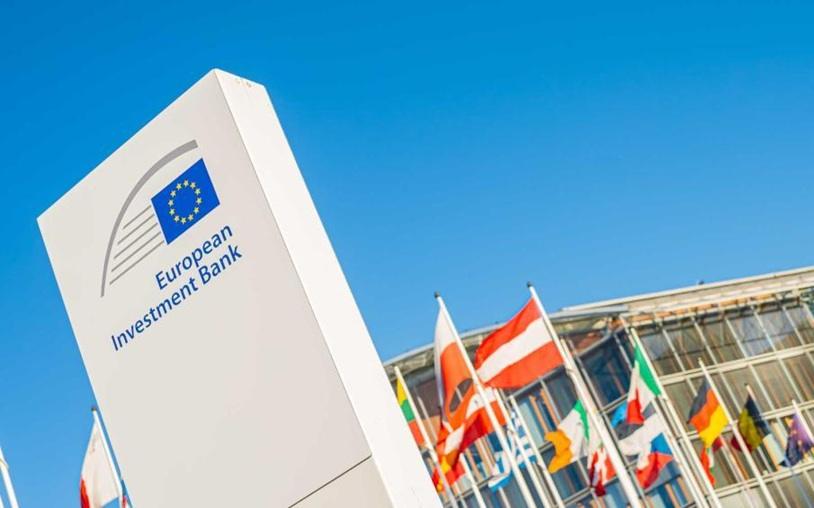
The European Union has unveiled a significant commitment to accelerate the energy transition within its small and medium-sized enterprises (SMEs), an initiative poised to reshape the continent’s energy consumption patterns and, by extension, global demand dynamics for traditional fuels. A substantial €17.5 billion in funding will be deployed over the next three years, spearheaded by the European Investment Bank (EIB) and supported by the European Commission. This direct injection of capital is expected to mobilize over €65 billion in total investment by 2027, targeting energy efficiency and decarbonization across more than 350,000 businesses. For oil and gas investors, this move represents more than just a headline; it signals a structural shift in European energy demand that warrants close attention and strategic recalibration.
The Economic Imperative Driving Europe’s Green Transition
Europe’s steadfast commitment to bolstering SME energy efficiency is not merely an environmental endeavor; it’s a profound economic and strategic imperative. The rationale is clear: SMEs, while the backbone of the EU economy, have historically lagged larger corporations in energy efficiency investments. This new initiative aims to bridge that gap, promising not only decarbonization but also enhanced competitiveness through reduced operational costs. This drive is particularly pertinent given the current energy market landscape. As of today, Brent crude trades at $98.51, reflecting a recent softening in daily trading of 0.89%. More significantly, our proprietary data reveals Brent has experienced a notable 12.4% decline over the last 14 days, falling from $112.57 on March 27th to its current level. This recent downtrend, while providing some immediate relief, does not diminish the long-term memory of volatile and often elevated energy prices that have spurred such policy decisions. Europe’s strategic vision is to insulate its economy from such fluctuations by fostering internal energy resilience, making investments in efficiency a key defensive and offensive play for its vast SME sector.
Strategic Implications for Global Oil & Gas Demand and Upcoming Market Events
The commitment of €65 billion towards SME energy savings by 2027 carries significant implications for oil and gas demand, particularly within Europe. This scale of investment is designed to fundamentally alter consumption habits, leading to a measurable reduction in demand for various energy sources, including natural gas and refined petroleum products. While the immediate impact on global demand may seem incremental, the cumulative effect of hundreds of thousands of businesses adopting more efficient practices will create a persistent headwind for fossil fuel consumption in one of the world’s major economic blocs. Against this backdrop of evolving demand, the upcoming OPEC+ meetings are particularly critical for investors monitoring supply-side responses. The Joint Ministerial Monitoring Committee (JMMC) convenes on April 18th, followed by the Full Ministerial Meeting on April 20th. These meetings will be under intense scrutiny as OPEC+ members deliberate on production quotas. Our proprietary reader intent data indicates a high level of investor interest in understanding current OPEC+ production quotas and how they respond to market signals. The decisions made on April 18th and 20th will determine whether producers opt to maintain current supply levels, potentially exacerbating price softness in the face of long-term demand erosion from initiatives like the EU’s, or adjust output to stabilize the market. The EU’s long-term energy transition strategy adds another layer of complexity to these crucial supply-side deliberations.
Investor Focus: Navigating the Energy Transition Landscape
Our proprietary reader intent data provides invaluable insight into what investors are currently asking, revealing a strong focus on understanding the current Brent crude price and the models powering such responses, alongside frequent inquiries about OPEC+ production quotas. This clearly indicates that investors are grappling with both the immediate market volatility and the long-term structural shifts in energy. The EU’s €65 billion commitment directly intersects with these concerns. For traditional oil and gas companies, the challenge is clear: Europe’s largest economic bloc is actively pursuing policies to reduce its reliance on your products. This necessitates a strategic pivot towards diversification, investment in lower-carbon solutions, or a focus on regions where demand growth remains robust. Conversely, this initiative opens up significant investment opportunities in the burgeoning energy efficiency and decarbonization sectors. The EIB’s plan to introduce a “one-stop-shop” for SMEs, integrating its full intermediated lending offering, is designed to simplify access to financing. This, coupled with collaboration with private sector partners to back dedicated investment platforms, creates fertile ground for companies specializing in energy management systems, renewable energy installations, smart building technologies, insulation materials, and green finance solutions. Investors should be actively identifying companies positioned to benefit from this massive influx of capital into the European green economy.
Enhancing Europe’s Competitiveness and Energy Security
Beyond the immediate financial flows and demand implications, the EU’s strategic investment in SME energy efficiency is a powerful declaration of its intent to enhance overall economic competitiveness and energy security. By reducing the energy intensity of hundreds of thousands of businesses, Europe is effectively making its economy more resilient to global energy price shocks and geopolitical instabilities. This initiative fosters a robust domestic market for green technologies and services, stimulating innovation and job creation within the EU. The long-term vision is a more self-sufficient and environmentally sustainable European economy, less reliant on external energy sources. This fundamental shift towards localized, efficient energy consumption represents a significant paradigm change for the global energy market. While the immediate focus remains on short-term price movements and OPEC+ decisions, the strategic implications of Europe’s sustained commitment to decarbonization and efficiency will continue to exert downward pressure on long-term oil and gas demand growth, particularly in developed markets. Savvy investors will recognize this as a critical trend, demanding proactive adjustments to portfolios and investment theses.


