Global Oil Markets Brace for Unprecedented Disruption as Hormuz Gridlock Deepens
Global energy markets are confronting an extraordinary period of uncertainty as crude oil shipments through the critical Strait of Hormuz have effectively ground to a halt. As of Thursday, April 16, 2026, only a mere two vessels were observed navigating the vital maritime chokepoint, a stark indicator of escalating geopolitical tensions between the United States and Iran. This severe constriction of a channel responsible for a staggering 20% of the world’s pre-war oil supply represents a historic blow to global energy security and investor confidence.
For energy investors, the ramifications of this developing crisis are immediate and profound. The near cessation of traffic through the Strait, a passage indispensable for moving crude from major Gulf producers to global consumers, signals an unprecedented supply shock. This disruption, already being characterized as the largest in history, has the potential to trigger extreme volatility across crude futures, refining margins, and the equities of exploration and production companies, integrated majors, and even downstream operators.
Strait of Hormuz Traffic at a Near Standstill
Monitoring data from leading maritime intelligence providers revealed a desolate picture in the Strait of Hormuz on Thursday. The tanker “Race” was documented exiting the strait into the Gulf of Oman, reportedly en route to India, while the cargo ship “Neshat” was observed traversing the strait, seemingly bound for Iran. This paltry level of activity underscores the severity of the operational hurdles and security risks now facing commercial shipping in the region. The typical bustling flow of supertankers, vital for linking the world’s largest oil reserves with its most demanding markets, has been supplanted by an eerie quiet, sending shivers through the global supply chain.
Investors must closely track these maritime movements, as each transit or non-transit carries significant weight for market sentiment and future price discovery. The mere presence of a handful of vessels highlights the strategic decisions being made by shipping companies, likely under immense pressure from insurers, governments, and charterers, to navigate an increasingly hostile environment.
U.S. Blockade Intensifies Pressure on Iran
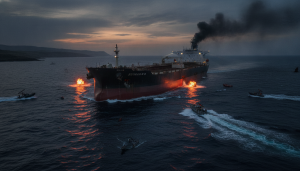
The U.S. naval blockade of Iranian ports, now in its fourth day since commencing on Monday, has demonstrably impacted shipping in the region. U.S. Central Command reports confirm that the Navy has successfully intercepted and compelled 14 vessels to reverse course, effectively enforcing the blockade’s objectives. This assertive posture by the United States aims to exert significant economic pressure on Iran, particularly concerning its ability to import or export goods, including any remaining illicit oil flows.
While the blockade’s immediate targets are Iranian ports, its broader effect on regional shipping traffic is undeniable. The presence of U.S. naval assets actively intercepting commercial vessels creates an environment of extreme caution for any maritime operator considering passage through or near these zones. For investors, this military enforcement action introduces a new layer of risk premium into oil prices, reflecting not only the current supply disruption but also the heightened potential for direct conflict.
Iran’s Escalatory Threats and Regional Impact
In response to the U.S. actions, Iran has issued severe threats to disrupt shipping across a much wider geographical scope, explicitly naming the Persian Gulf, the Gulf of Oman, and the Red Sea. Should Iran act on these threats, the implications for global trade and energy supply would be catastrophic, far exceeding the current disruption. The Red Sea, in particular, is a crucial conduit for vessels utilizing the Suez Canal, connecting Asian and European markets.
An Iranian-imposed shutdown of these key waterways would not only halt oil flows but also significantly impact the transit of liquefied natural gas (LNG), refined products, and containerized cargo. Such a scenario would lead to massive rerouting efforts, forcing ships to undertake lengthy and costly voyages around Africa, thereby driving up shipping costs, transit times, and ultimately, consumer prices globally. Energy investors must therefore consider the potential for a broader regional conflict and its devastating impact on supply routes as a primary risk factor in their portfolios.
Super-Tankers Caught in the Crosscurrents
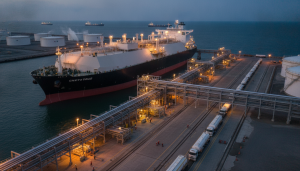
Before the current gridlock solidified, at least two Very Large Crude Carriers (VLCCs), identified as the “RHN” and the “Alicia,” successfully navigated the strait into the Persian Gulf earlier this week. Each of these colossal tankers is capable of transporting approximately 2 million barrels of crude oil, underscoring the immense volume of energy now either trapped or unable to move. The fate of these vessels, and countless others likely laden with crude awaiting safe passage, is a critical concern for market participants.
The immobilization of even a few VLCCs represents a significant withholding of supply from the market, equivalent to millions of barrels per day of lost availability. Tanker company stocks and charter rates will undoubtedly be influenced by the ongoing situation, as will the availability of storage capacity for deferred crude. The strategic significance of these vessels highlights the sheer scale of the disruption and the challenges facing the global energy logistics network.
Navigating the Largest Oil Supply Disruption in History
The severe curtailment of tanker traffic through the Strait of Hormuz marks what many analysts are calling the largest oil supply disruption in history. With approximately 20% of global oil supplies, amounting to roughly 20 million barrels per day, historically transiting this narrow waterway, the current near-standstill has created an unprecedented deficit. This immediate and substantial reduction in available crude will inevitably place immense upward pressure on international oil benchmarks like Brent and WTI crude futures.
For oil and gas investors, this scenario demands a proactive and informed approach. Beyond the immediate price spikes, considerations include the potential for strategic petroleum reserve releases from consumer nations, the accelerated pursuit of alternative, albeit more expensive, supply routes, and the long-term impact on energy transition strategies as nations re-evaluate their energy security imperatives. The confluence of military engagement, diplomatic impasses, and critical supply bottlenecks underscores a period of extreme volatility and elevated risk for all market participants in the oil and gas sector.