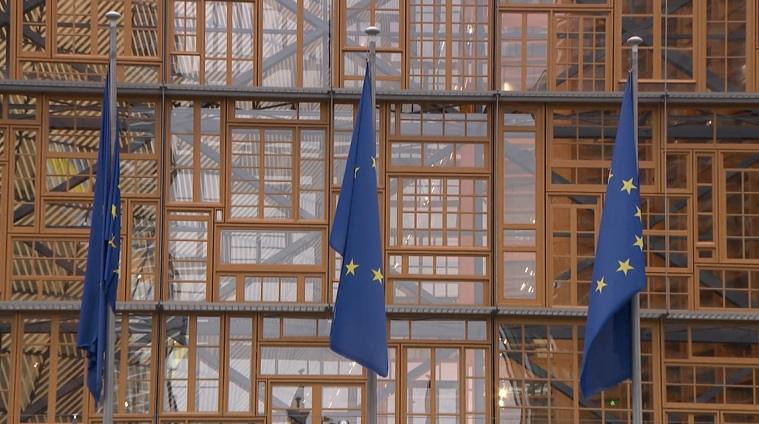
The European Union’s recent acknowledgment of a significant delay in formalizing its 2035 emissions reduction target, pushing the deadline beyond the initial September requirement, sends a clear signal to global energy markets. While the EU remains committed to ambitious climate goals, this internal policy friction and the extended timeline for agreement on crucial elements like the 2040 target and carbon market flexibilities effectively lengthen the perceived operational runway for the oil and gas sector. For investors, this creates a nuanced landscape where immediate regulatory pressures from one of the world’s largest economic blocs are momentarily eased, shifting focus to other market fundamentals and offering a window for strategic recalibration.
EU Policy Drift Extends O&G Investment Horizon
The European Council’s “statement of intent” to set a 2035 emissions reduction target, following an admission that the initial September deadline for submission to COP30 would be missed, highlights deep-seated disagreements among member states. While the EU aims for a 66.25% to 72.5% reduction in greenhouse gas emissions by 2035 (from a 2019 baseline), the path to consensus remains fraught. Crucially, the delay stems from ongoing debates surrounding the proposed 90% emissions reduction target by 2040, which will inform the interim 2035 goal. Points of contention include the utilization of international carbon credits and domestic carbon removals under the EU Emissions Trading System (EU ETS) – flexibilities seen as vital by some for hard-to-abate sectors, but potentially diluting ambition for others. This political wrangling, with discussions now anticipated to stretch into late October, provides a measurable extension to the regulatory certainty for oil and gas operations within the continent. Investors who have priced in an aggressive, front-loaded transition may find themselves re-evaluating risk premiums and project timelines, as the immediate regulatory hammer is held back.
Current Market Dynamics Amidst Policy Uncertainty
As of today, Brent crude trades at $98.22 per barrel, reflecting a -1.18% intraday decline, with WTI crude at $89.69, down -1.62%. Gasoline prices also saw a marginal dip to $3.08, down -0.32%. This snapshot reveals a market grappling with various influences, where the EU’s policy delay is but one factor among many. The broader trend for Brent crude shows a notable decline, dropping from $112.57 on March 27th to $98.57 just yesterday – a significant $14 or 12.4% contraction over the past two weeks. This downtrend suggests that while the EU’s delayed climate action might offer a structural reprieve, immediate market sentiment is currently driven more by global supply-demand balances, inventory levels, and geopolitical developments. Investors are navigating a complex environment where short-term price volatility is high, even as long-term policy signals from major demand centers evolve.
Investor Focus: Quotas, Inventories, and Regulatory Signals
Our proprietary reader intent data reveals a strong focus among investors on the immediate drivers of crude oil prices, particularly around supply management. A recurring question this week, for instance, is “What are OPEC+ current production quotas?” This highlights the market’s acute sensitivity to potential supply adjustments from major producers. While the EU’s climate target delay provides a longer-term context, the short-term outlook is dominated by supply-side decisions and inventory movements. The ongoing debate within the EU, with countries like Denmark and Spain pushing for the more ambitious 72.5% target versus Poland and Italy favoring a lower end or a range, creates a layer of regulatory uncertainty that some investors may view as beneficial for the sector’s near-to-medium term. It indicates that the path to a fully decarbonized energy system in Europe is not a straight line, offering more time for oil and gas companies to adapt, innovate, or reallocate capital while demand remains robust.
Ahead of the Curve: Key Events Shaping Q2 Outlook
Looking forward, the immediate horizon is packed with events that will significantly influence energy market direction. The upcoming OPEC+ Joint Ministerial Monitoring Committee (JMMC) meeting on April 17th, followed by the Full Ministerial meeting on April 18th, will be paramount. Investors will be scrutinizing any signals regarding potential production adjustments, which directly impact global supply and crude oil prices. Beyond OPEC+, the market will closely watch the API Weekly Crude Inventory reports on April 21st and 28th, and the EIA Weekly Petroleum Status Reports on April 22nd and 29th. These inventory data releases offer critical insights into U.S. supply and demand dynamics, often leading to immediate price reactions. Furthermore, the Baker Hughes Rig Count on April 24th and May 1st will provide an indication of future production trends. These near-term events, coupled with the EU’s prolonged internal climate policy discussions, create a dynamic scenario where the oil and gas sector might see continued investment interest, particularly in regions less directly impacted by European regulatory shifts, as the perceived “end date” for fossil fuels in Europe appears to be pushed further into the future.


