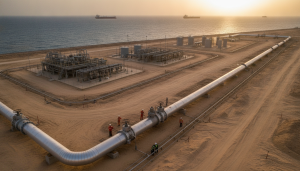
Energy Demand Ignites Oil & Gas Profit Surge
The global energy landscape demands keen investor attention, showcasing a robust and compelling investment thesis. Surging demand continues to outstrip an increasingly tight supply, creating a powerful tailwind for oil and gas profitability. With West Texas Intermediate (WTI) crude consistently trading above the $85 per barrel threshold and Brent crude hovering near the $90 mark, the market’s message is unequivocal: traditional hydrocarbons remain a cornerstone of the global economy and an indispensable asset class for portfolio managers.
Following a period marked by significant underinvestment and the profound economic disruptions of a global pandemic, the energy sector’s resurgence has been both rapid and emphatic. Economic activity worldwide is now operating at elevated levels, fueling an unprecedented appetite for energy. From the re-energized industrial complexes across key Asian economies to the persistent and robust travel demand observed in Western nations, the need for reliable, scalable energy sources is profoundly evident. This isn’t merely a fleeting bounce-back; it signifies a structural expansion in global energy requirements. While renewable energy sources are undeniably critical for long-term sustainability, they currently cannot fully satisfy the sheer scale of global demand. Savvy investors recognize that the energy transition represents a multi-decade journey, ensuring a strong underlying demand for conventional oil and natural gas well into the foreseeable future.
Key Catalysts Driving Energy Sector Momentum
Several interconnected factors underpin the sustained upward trajectory observed within the energy sector, collectively creating a potent environment for profitable ventures.
Firstly, the relentless pace of global economic expansion, particularly within dynamic emerging markets, establishes a higher baseline for energy consumption. Nations such as India and China, characterized by their rapidly expanding middle classes and burgeoning industrial bases, are consuming record volumes of crude oil and natural gas. This demographic and economic evolution guarantees a foundational level of demand that continues to grow.
Secondly, a complex interplay of geopolitical tensions and strategic supply management by major producing blocs maintains a strict discipline on global oil and gas output. The OPEC+ alliance, for instance, has demonstrated a consistent and disciplined approach, actively working to stabilize markets at favorable price points rather than allowing oversupply. Recent coordinated production cuts, amounting to millions of barrels per day from key participants, have effectively tightened market fundamentals, exerting upward pressure on prices and bolstering profitability across the value chain.
Thirdly, and perhaps most critically for long-term supply dynamics, years of capital starvation within the upstream sector have severely curtailed future production capacity. The confluence of Environmental, Social, and Governance (ESG) pressures and a heightened focus on capital discipline post the 2014 commodity downturn led many integrated majors and independent producers to significantly reduce exploration and production (E&P) spending. This prolonged period of underinvestment has created a structural deficit, manifesting as today’s constrained supply environment. Developing new oil and gas fields requires substantial lead times, often spanning several years, meaning the current supply challenges are a direct consequence of strategic decisions made long ago. The present market environment, therefore, strongly rewards companies that either maintained strategic investment or are now judiciously increasing their production efforts, offering attractive returns on capital deployed.
Navigating Investment Opportunities in the Energy Boom
For investors seeking strategic exposure to this powerful and enduring trend, abundant opportunities exist across the entire energy value chain, each offering distinct risk-reward profiles.
Integrated Oil Majors: These global behemoths, such as ExxonMobil or Chevron, offer diversified operations spanning upstream, midstream, and downstream segments. Their broad portfolios provide a degree of stability and often include attractive dividend yields, offering investors exposure to all facets of the energy market while benefiting from their scale and resilience.
Independent Exploration & Production (E&P) Companies: Firms focused primarily on finding and extracting hydrocarbons, like Occidental Petroleum or EOG Resources, offer higher leverage to commodity price fluctuations. For investors bullish on oil and gas prices, these companies can provide significant upside potential through production growth and reserve expansion, albeit with increased volatility.
Midstream Companies: Businesses involved in the transportation, processing, and storage of oil and natural gas, often structured as Master Limited Partnerships (MLPs) or C-corps, present a more stable investment profile. Their revenue streams are typically fee-based, making them less directly exposed to commodity price swings. Companies like Enterprise Products Partners or Kinder Morgan offer attractive, consistent cash flows and often higher yields, making them appealing for income-focused investors.
Energy Services Firms: Companies providing equipment, technology, and services to E&P operators, such as Schlumberger or Halliburton, directly benefit from increased capital expenditure by producers. As drilling activity and completion spending rise in response to higher commodity prices, these firms see increased demand for their specialized offerings, translating into robust revenue and earnings growth.
In conclusion, the current confluence of robust global energy demand and persistently constrained supply has ignited a powerful profit surge across the oil and gas sector. The foundational role of hydrocarbons in powering global economic growth, coupled with years of underinvestment and disciplined supply management, creates a compelling and sustained investment thesis. Astute investors exploring opportunities across integrated majors, independent E&P firms, midstream assets, and energy services providers stand to capitalize significantly on this enduring energy market dynamic.