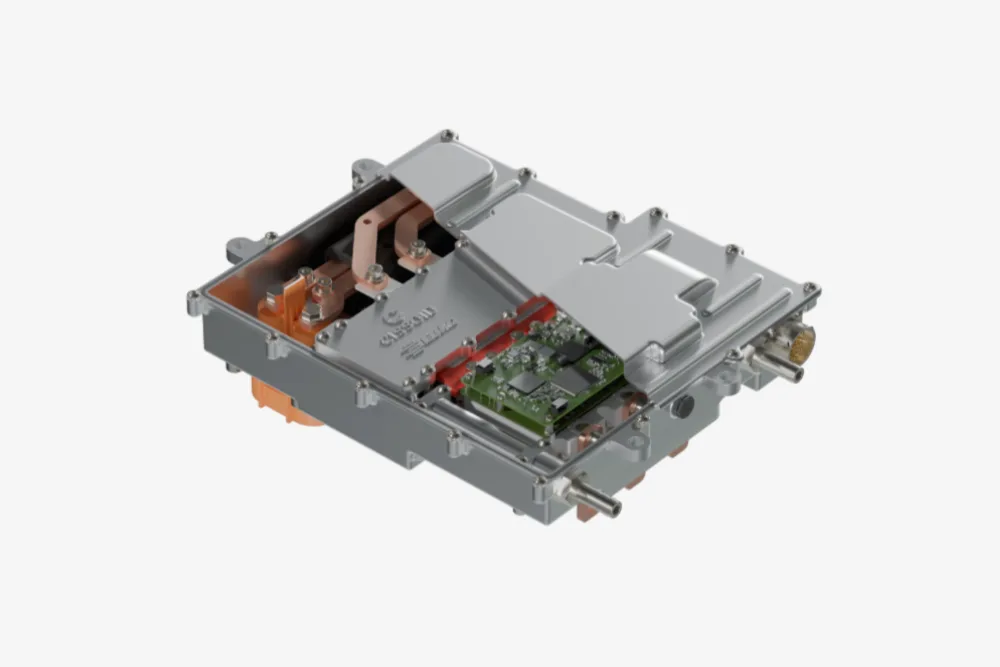
The global energy landscape continues its dramatic transformation, with electrification playing an increasingly central role. For investors closely monitoring the long-term trajectory of oil and gas demand, advancements in electric vehicle (EV) technology offer critical insights. A recent strategic alliance between CISSOID, a specialist in power semiconductor solutions, and EDAG, a prominent automotive engineering and design firm, underscores this accelerating shift. This collaboration targets the expedited development of advanced silicon carbide (SiC)-based propulsion inverters, a move set to significantly enhance the performance and efficiency of future electric drivetrains.
This partnership is not merely a technical endeavor; it represents a key enabler in the broader energy transition, directly impacting the speed at which the automotive sector can decarbonize and reduce its reliance on fossil fuels. For market observers, understanding these foundational technological shifts is paramount to assessing future energy consumption patterns and identifying emergent investment opportunities within the evolving energy matrix.
Forging a Strategic Alliance for EV Innovation
CISSOID and EDAG have united their distinct capabilities to tackle one of the most critical components in modern electric vehicles: the traction inverter. The objective is clear – to deliver holistic, high-performance offerings to original equipment manufacturers (OEMs) that streamline the integration of highly efficient electric powertrains. This synergy is designed to furnish automotive manufacturers with comprehensive technical assistance, spanning from the initial conceptualization phase through to final vehicle deployment.
CISSOID brings its foundational knowledge in high-temperature and high-power SiC modules, coupled with its expertise in sophisticated inverter control solutions. These are the core building blocks for robust and efficient power conversion. Complementing this, EDAG contributes its extensive proficiency in comprehensive drivetrain system integration, advanced thermal regulation, and rigorous validation processes. This combination promises a full-spectrum approach to developing propulsion systems that are not only powerful but also reliable and cost-effective for mass production.
The Imperative of Silicon Carbide and 800V Architectures
The automotive industry’s pivot towards 800-volt power architectures marks a significant evolution in EV design, offering faster charging times and improved overall system efficiency. Concurrently, there is a rising market appetite for more space-efficient, highly effective systems. Traction inverters stand as a fundamental driver of electric vehicle capability within this paradigm. Their ability to convert direct current from the battery into alternating current for the electric motor directly dictates an EV’s power, range, and charging speed.
Silicon Carbide (SiC) technology is at the heart of this innovation. Unlike traditional silicon-based semiconductors, SiC allows for higher operating temperatures, faster switching speeds, and significantly lower energy losses. This translates directly into more compact inverter designs, reduced cooling requirements, and ultimately, greater vehicle efficiency and extended driving range. For investors, the widespread adoption of SiC components signals a long-term trend towards more performant and economically viable EVs, accelerating the displacement of internal combustion engines.
Pierre Delatte, CTO at CISSOID, articulated the strategic importance of this collaboration: “This partnership with EDAG enables us to collectively meet the burgeoning need for high-performance, SiC-based traction inverters. Together, we will help manufacturers unlock the complete capabilities of Silicon Carbide technology, thereby enhancing the efficiency, reducing the footprint, and boosting the dependability of electric vehicles.” This statement underscores the direct market relevance and the tangible benefits this alliance aims to deliver to the automotive sector.
Market Acceleration and Investor Outlook
The primary advantages stemming from this collaboration are multifaceted. The partnership anticipates the collaborative engineering of sophisticated inverter platforms tailored for superior power density and prolonged operational longevity. This focus on durability and performance is crucial for securing OEM confidence and ensuring widespread market adoption.
Furthermore, the alliance promises extensive engineering support encompassing adherence to functional safety standards, electromagnetic compatibility (EMC), and seamless mechanical integration – all critical aspects for automotive-grade components. Perhaps most compelling for OEMs is the prospect of expedited market entry, facilitated by the provision of validated hardware and software blueprint solutions. This acceleration directly impacts an OEM’s ability to bring competitive EV models to market faster, gaining crucial share in a rapidly expanding sector.
Lennart Benthele, Head of Drivetrain & Thermal Development at EDAG, emphasized the forward-looking vision: “At EDAG, we are dedicated to pioneering the trajectory of sustainable transportation. By partnering with CISSOID, we augment our proficiencies in power electronics, providing clientele with cohesive solutions for the subsequent iteration of electric propulsion systems.” This commitment to sustainable mobility aligns perfectly with the broader global push towards decarbonization and reduced reliance on hydrocarbon fuels.
Implications for the Broader Energy Market
For investors focused on the energy sector, this partnership represents more than just an advancement in EV components. It is a tangible indicator of the rapid progress and increasing maturity of electric drivetrain technology. Each step forward in EV efficiency, reliability, and cost-effectiveness directly translates into a more compelling alternative to traditional gasoline and diesel vehicles. As EVs become more attractive, the long-term demand outlook for refined petroleum products faces increasing pressure.
Companies like CISSOID and EDAG are not just developing technology; they are shaping the future of transportation and, by extension, the global energy landscape. Their efforts contribute to a robust EV ecosystem that will continue to erode the market share of internal combustion engines. Investors must consider these technological milestones as crucial data points when evaluating portfolios and forecasting market trends across the entire energy value chain, from upstream oil and gas production to downstream refining and distribution. The continued innovation in power electronics is a powerful current pushing the world towards a more electrified future, with profound implications for all energy-related investments.