Chevron’s Greek Gambit: A Strategic Play in the Eastern Mediterranean’s Gas Race
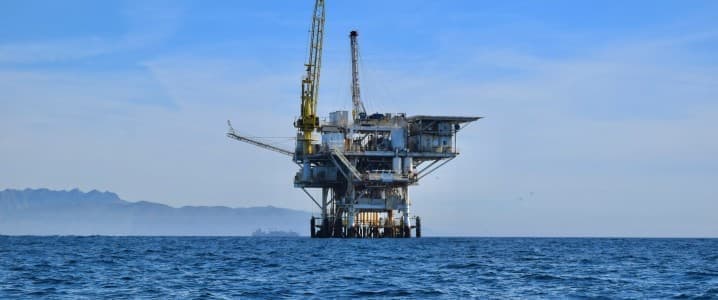
In a significant move for Europe’s energy future, a Chevron-led consortium has officially secured lease contracts for extensive offshore oil and gas exploration in Greece. This pivotal agreement, which sees Chevron holding a 70% operating interest alongside Helleniq Energy’s 30%, covers four vast blocks – South Crete 1, South Crete 2, South of Peloponnese, and Block A2 – spanning approximately 47,000 square kilometers. The signing marks a crucial step in Greece’s ambitious strategy to transform into a major natural gas supplier for the Mediterranean region, drawing the attention of global investors keen on the long-term energy landscape despite current market fluctuations.
Deepwater Ambitions: Unlocking Greece’s Hydrocarbon Potential
The newly signed lease agreements pave the way for a comprehensive three-phase exploration program designed to assess the hydrocarbon potential within these challenging ultra-deepwater settings, some extending beyond 1,500 meters of sea depth and characterized by complex geological structures. While the immediate focus is on exploration, the sheer scale of the blocks and Greece’s stated aspirations underscore the potential for substantial natural gas discoveries. For this ambitious undertaking to progress, the lease agreements require formal ratification by the Greek Parliament, a standard procedural step that investors will be monitoring closely. This long-term commitment by Chevron highlights a strategic confidence in the region’s resource endowment, even as the global energy transition continues to evolve.
Supermajors Converge: The Eastern Mediterranean’s Growing Appeal
Chevron’s entry officially positions it alongside another U.S. supermajor, ExxonMobil, in the burgeoning Greek offshore exploration scene. ExxonMobil expanded its footprint in November 2025, securing a 60% interest in Block 2 in the northwestern Ionian Sea through a farm-in agreement with Energean, which retains 40% and will operate during the exploration phase. Initial exploratory drilling for Exxon’s Block 2 is anticipated in late 2026 or early 2027, subject to regulatory approvals. Both Chevron and ExxonMobil are clearly betting on the hypothesis that Greece’s offshore areas harbor giant natural gas resources, akin to the prolific discoveries already made in the Eastern Mediterranean, particularly offshore Egypt and Israel. This parallel investment by industry titans signifies a growing consensus on the region’s geological prospectivity and its strategic importance for European energy security.
Navigating Market Headwinds: Today’s Prices and Investor Outlook
These long-term strategic plays by supermajors unfold against a backdrop of dynamic and often volatile global energy markets. As of today, Brent Crude trades at $92.24, marking a 2% increase, while WTI Crude stands at $88.73, up 1.5% within the day’s range. This daily uptick, however, follows a pronounced downturn over the past two weeks, with Brent having shed nearly 20% of its value, dropping from $118.35 on March 31st to $94.86 by April 20th. This significant swing underscores the market’s current sensitivity to supply-demand signals and geopolitical developments.
Our proprietary reader intent data reveals that investors are keenly asking about the future direction of WTI and the broader oil market, with many questioning whether prices will stabilize or continue their roller-coaster ride into late 2026. This sentiment reflects the challenge of committing capital to multi-year exploration projects in an environment where short-term price signals can be misleading. Despite the short-term volatility, the strategic rationale for investing in new gas supplies, particularly for Europe, remains robust, balancing immediate market dynamics with future energy security needs.
Forward Outlook: Key Events Shaping the Hydrocarbon Landscape
Looking ahead, several critical events on the energy calendar will further shape the investment landscape for projects like those in Greece. Today, April 21st, 2026, the OPEC+ JMMC Meeting is underway, and any signals regarding production policy will immediately influence crude prices and broader market sentiment. Over the next fortnight, the EIA Weekly Petroleum Status Reports (April 22nd and 29th) will provide crucial insights into U.S. inventory levels and demand trends, while the Baker Hughes Rig Count (April 24th and May 1st) will offer a pulse check on North American drilling activity. Perhaps most significantly for forward-looking analysis, the EIA Short-Term Energy Outlook on May 2nd will offer updated projections for global supply and demand, influencing long-term investment decisions. These reports are vital for investors assessing the long-term viability and profitability of significant gas projects like those Chevron and ExxonMobil are pursuing in Greece, providing context for the substantial capital and time required to bring such resources to market.


