The Hidden Hazard in O&G Logistics: Unmasking Chameleon Carriers
In the dynamic and often volatile world of oil and gas investing, attention typically fixates on macro-economic trends, geopolitical shifts, and commodity price movements. Yet, an unseen and insidious operational risk lurks within the industry’s vast supply chains: the “chameleon carrier.” These are trucking and logistics firms that, after accumulating a record of serious safety violations, fines, or operational shutdowns, deceptively re-emerge under new identities. For oil and gas companies, whose operations are inherently complex and safety-critical, unknowingly engaging with such entities can lead to catastrophic consequences, ranging from severe equipment damage and environmental incidents to crippling financial liabilities and reputational ruin. As investors navigate a market characterized by both opportunity and significant risk, understanding and mitigating these hidden supply chain vulnerabilities is paramount.
Operational Integrity at Risk: Why O&G Can’t Afford Blind Spots
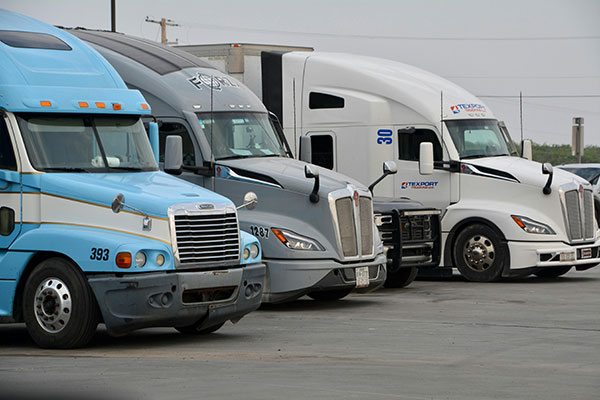
The oil and gas sector is profoundly reliant on robust and safe transportation. From the movement of specialized drilling equipment to the pipeline and tanker transport of crude oil and refined products, logistics are the lifeblood of the industry. Chameleon carriers present a unique threat because their new corporate facade often masks a history of negligence, involving the same owners, equipment, drivers, and even business addresses that were previously deemed unsafe. For an O&G firm, this blind spot means potentially entrusting high-value equipment, hazardous materials, or critical personnel to operators with a proven track record of poor maintenance, inadequate driver training, or non-compliance with drug and alcohol testing mandates. Consider the implications: a poorly maintained rig component transported on substandard equipment could lead to costly delays and damage, while a safety lapse involving a crude shipment could result in an environmental disaster. Federal regulators have documented instances, such as MTI Transportation LLC acting as a front for previously sanctioned carriers, and a network of “reincarnated” firms in Kansas designed to circumvent out-of-service orders. These examples underscore that regulatory checks often rely on self-reported data, making detection challenging unless proactive, multi-layered due diligence is performed.
Market Volatility Amplifies Supply Chain Risk
The current market landscape further accentuates the need for rigorous supply chain vigilance. As of today, Brent crude trades at $92.45, reflecting a 2.23% gain for the day, while WTI crude sits at $88.85, up 1.64%. This rebound comes after a challenging fortnight, with Brent having shed nearly 20% from $118.35 on March 31st to $94.86 just yesterday, highlighting the market’s inherent volatility. Gasoline prices also saw a lift today, up 2.31% to $3.11. In an environment where prices can swing dramatically, operational efficiency and cost control become critical differentiators. Any disruption stemming from an unsafe carrier – whether it’s a delay in delivering critical parts, an accident incurring environmental cleanup costs, or insurance premium hikes – directly impacts profitability and shareholder value. When margins are tight or prices are falling, such unforeseen operational costs are far more damaging, eroding any potential gains from market upswings and exacerbating losses during downturns. Investors must recognize that a robust balance sheet and strong commodity prices can be quickly undermined by failures in fundamental operational integrity.
Proactive Due Diligence: A Mandate for Tomorrow’s Events
Looking forward, the upcoming energy calendar underscores the dynamic nature of the market and, by extension, the logistical demands placed on O&G firms. With the OPEC+ JMMC Meeting slated for tomorrow, April 21st, and critical EIA Weekly Petroleum Status Reports arriving on April 22nd and April 29th, the market is poised for potential supply shifts. Any tightening of supply or increase in demand, perhaps signaled by a rising Baker Hughes Rig Count on April 24th and May 1st, will place even greater strain on the logistics network. The EIA Short-Term Energy Outlook on May 2nd will offer further guidance on future supply-demand balances. For O&G firms, ensuring their supply chain is resilient against unseen threats like chameleon carriers becomes not just a safety measure, but a strategic imperative to capitalize on market opportunities or mitigate risks emerging from these events. Imagine the competitive disadvantage if a company’s critical transport capabilities are compromised just as market conditions turn favorable, or if an inventory build (as tracked by API Weekly Crude Inventory on April 28th and May 5th) is hampered by transport issues. Proactive and continuous vetting of all logistics partners, extending beyond superficial checks to delve into ownership structures and operational histories, is no longer optional but a core component of a resilient investment strategy.
Addressing Investor Concerns: Beyond Price Swings
Our proprietary reader intent data reveals a keen focus on price direction, with common queries like “is WTI going up or down” and “what do you predict the price of oil per barrel will be by end of 2026?” While these are critical questions for any investor, it’s imperative to consider the underlying operational stability that supports a company’s ability to profit from favorable market conditions. The performance of a company like Repsol, which readers are asking about for April 2026, is not solely determined by the price of oil, but also by its ability to execute operations safely, efficiently, and without unforeseen disruptions. Chameleon carriers represent a silent drain on profitability and a potent source of unexpected liabilities that can derail even the most optimistic financial projections. Investors must broaden their analytical lens beyond commodity prices and balance sheets to scrutinize supply chain risk management. Companies that demonstrate a sophisticated approach to vetting all their logistics partners, employing advanced data analytics and due diligence beyond basic regulatory checks, will ultimately prove more resilient and offer more stable long-term value. In a sector where operational excellence is paramount, overlooking these hidden supply chain risks is a gamble no serious investor can afford.