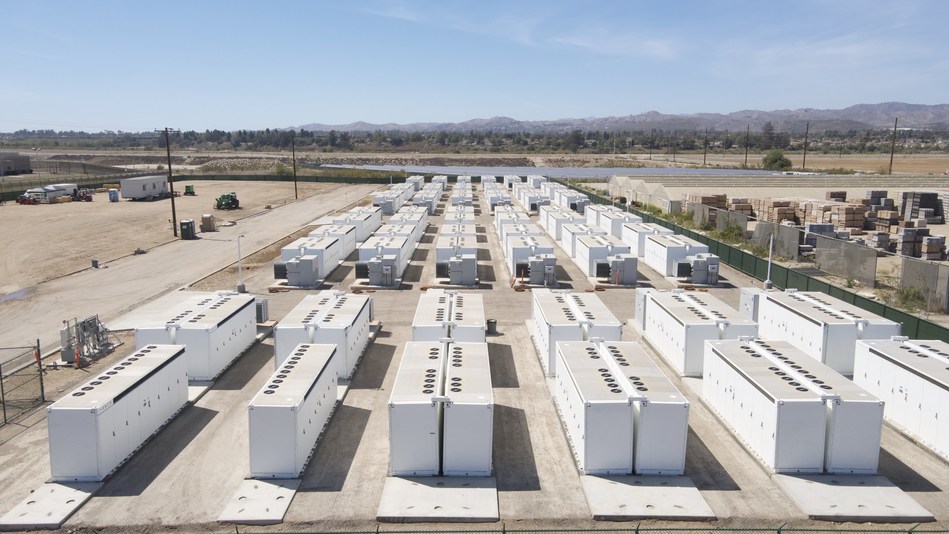
The global energy transition continues to accelerate, with battery energy storage systems (BESS) emerging as a pivotal component for grid stability and renewable integration. However, as capital floods into this nascent sector, a clearer picture of real-world operational performance is emerging, revealing significant challenges that directly impact investor returns. While the promise of BESS remains compelling, recent proprietary analysis underscores that nearly one-fifth of projects are currently underperforming due to a spectrum of technical issues and unexpected downtime, signaling a critical need for enhanced due diligence and operational oversight in what is rapidly becoming a cornerstone of future energy infrastructure.
Operational Drag: When System Performance Eats Into Investor Returns
For investors eyeing the BESS sector, the allure of high-efficiency energy arbitrage and grid services is often tempered by the realities of operational execution. Our internal analytics reveal that a notable 19% of grid-scale battery storage projects are experiencing reduced returns, directly attributable to hardware-related operational issues. These aren’t minor glitches; they range from automatic shutdowns triggered to prevent system damage to persistent safety alerts and module-level imbalances that erode usable capacity and accelerate degradation. Such events translate directly into lost revenue opportunities and increased maintenance costs, fundamentally altering project economics.
A key metric, Round-Trip Efficiency (RTE), highlights this performance disparity. While best-in-class systems achieve RTEs above 88%, representing a significant portion of the assets analyzed, a concerning number fall below 85%, indicating substantial optimization potential. Even more alarmingly, systems commencing operations with RTEs below 83% raise immediate red flags, pointing to fundamental design or commissioning flaws. Our proprietary models indicate that seemingly minor efficiency losses of just 1-2% can compound into millions of dollars in lost lifetime revenue, a material impact on projected Internal Rates of Return (IRRs). As of today, the broader energy market remains volatile, with Brent Crude trading at $90.38, reflecting a significant dip of 9.07% within the day from its range of $86.08-$98.97. This backdrop of market uncertainty in traditional energy sectors only amplifies the demand for reliable, consistent performance from new energy assets like BESS, making operational efficiency a non-negotiable for capital allocation.
Optimizing Capital: The Double-Edged Sword of System Oversizing
One strategy employed by developers to mitigate performance degradation and ensure long-term capacity is oversizing BESS projects, typically by 15-25%. Smaller sites, often with capacities below 50 MWh, sometimes push this buffer to 30-35%. While intended as a safeguard, our analysis suggests this practice presents a delicate balance for investors. Insufficient oversizing (below 10%) leaves projects vulnerable to premature performance degradation and capacity shortfalls, jeopardizing revenue streams. Conversely, oversizing beyond 30% risks stranding significant capital in underutilized assets, tying up funds that could otherwise generate returns.
This challenge resonates directly with the questions we’re seeing from our readers, who are deeply concerned about capital efficiency and long-term asset value. Questions like “What do you predict the price of oil per barrel will be by end of 2026?” reflect a broader investor desire for clarity on future energy market dynamics that underpin all asset valuations. For BESS, the parallel is clear: inefficient capital deployment through excessive oversizing directly reduces the yield on invested capital over the project’s lifespan, a critical consideration for investors seeking to maximize returns in an evolving energy landscape. Understanding the optimal oversizing strategy is paramount to avoiding both performance shortfalls and capital stagnation.
Mitigating Early-Stage Risks: Commissioning Delays and Quality Assurance
The journey from project conception to revenue generation in battery storage is fraught with early-stage risks, most notably commissioning delays and inadequate quality control. Our data shows typical commissioning setbacks ranging from one to two months, with some projects experiencing delays of eight months or more. These aren’t just administrative hurdles; they directly defer revenue generation, escalate project costs, and can even compromise battery health due to prolonged idling or incomplete system checks. Such delays erode investor confidence and strain project financing.
Furthermore, a striking finding is that only 83% of projects met or exceeded their nameplate capacity during Site Acceptance Testing (SAT). This highlights a critical gap in project execution and vendor accountability. For investors, this underscores the imperative for robust best practices, independent oversight during the design, procurement, and commissioning phases, and stringent adherence to agreed-upon specifications. The energy industry is accustomed to rigorous scrutiny; for instance, the upcoming OPEC+ Ministerial Meeting on April 19th will be closely watched for supply directives, and weekly EIA and API inventory reports provide granular insights into market fundamentals. Investors in BESS should demand similar levels of transparency and accountability. Proactive measures, including comprehensive third-party verification and stringent contractual clauses, are essential to ensure vendors are held to their commitments and to safeguard the long-term viability and profitability of these vital energy assets.
The Path Forward: Enhanced Due Diligence for BESS Investments
The findings from recent analyses paint a clear picture: while battery energy storage systems are indispensable to the energy transition, their investment landscape is not without significant operational and financial risks. For investors, the era of treating BESS as a “set-it-and-forget-it” asset is over. The focus must shift from theoretical potential to proven performance and robust risk mitigation strategies. This includes rigorous due diligence on project developers, technology providers, and operational partners, with a strong emphasis on their track record in achieving stated RTEs and minimizing unplanned downtime.
Moving forward, sophisticated investors will prioritize projects that demonstrate meticulous attention to early-stage quality control, realistic oversizing strategies, and transparent operational data. The ability to monitor asset health proactively and to intervene before minor technical issues escalate into major revenue losses will be a key differentiator. As the BESS market matures, the competitive edge will belong to those who can consistently deliver on performance promises, transforming the sector’s immense potential into reliable, long-term investor returns. The insights gleaned from real-world operational data are not just technical observations; they are critical financial indicators that must inform every investment decision in this rapidly evolving energy frontier.