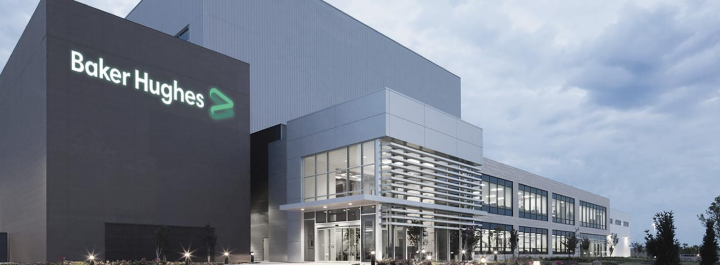
The recent closing of the joint venture between Baker Hughes and Cactus, which combines Baker Hughes’ surface pressure control (SPC) product line with Cactus’ manufacturing and service capabilities, represents a significant strategic maneuver in the oilfield services (OFS) sector. This transaction, initially announced earlier this year, sees Cactus taking a 65% equity stake and operational control, while Baker Hughes retains 35% and received approximately $344.5 million in cash proceeds. For investors, this move is more than just an asset transfer; it signals a calculated evolution in portfolio management and capital allocation within a perpetually dynamic energy market, offering insights into how industry leaders are positioning themselves for future opportunities and challenges.
Strategic Alignment and Financial Implications for Baker Hughes and Cactus
At its core, this joint venture is a testament to Baker Hughes’ stated portfolio management strategy. By contributing its SPC business and securing a substantial cash infusion, Baker Hughes aims to bolster its balance sheet, enhance liquidity, and redirect capital toward what it identifies as higher-return opportunities. This divestment of a majority stake, while retaining exposure to the SPC market, is designed to improve the company’s earnings and cash flow durability. For investors tracking Baker Hughes, this suggests a sharper focus on core competencies and future growth vectors, potentially in areas like digital solutions, new energy technologies, or other specialized OFS segments where the company sees greater long-term value. The $344.5 million in cash proceeds, before customary closing adjustments, provides tangible financial flexibility in a capital-intensive industry.
Conversely, Cactus, as the majority owner and operator, significantly expands its footprint in pressure control technologies. This move allows Cactus to integrate Baker Hughes’ SPC portfolio with its existing manufacturing and service infrastructure, creating a more robust and comprehensive offering. For Cactus investors, this means enhanced market share, potentially improved operational synergies, and a stronger competitive position in the critical drilling, completion, and production operations segments. The structure is specifically designed to strengthen capital efficiency, suggesting a leaner, more integrated approach to delivering surface pressure control solutions to E&P clients.
Navigating Market Volatility: A Timely Move in a Dynamic Environment
The timing of this joint venture’s completion is particularly noteworthy given the current state of the global oil market. As of today, Brent crude trades at $90.24 per barrel, reflecting a slight daily dip of 0.21% and staying within a tight range of $93.87-$95.69. This price point, however, follows a pronounced period of volatility; Brent has shed nearly 20% in just over three weeks, falling from a high of $118.35 on March 31st to $94.86 just yesterday. This significant correction underscores the unpredictable nature of crude prices and its direct impact on E&P spending, which in turn dictates demand for oilfield services.
In such an environment, OFS companies must demonstrate agility and strategic foresight. Baker Hughes’ decision to optimize its portfolio by divesting a majority share in a mature business line, while still participating in its upside, can be interpreted as a defensive yet opportunistic play. It reduces direct operational exposure to a segment that can be highly sensitive to rig count fluctuations, freeing up resources for potentially more resilient or higher-growth areas. For Cactus, taking the helm during a period of market fluctuation signals confidence in the long-term demand for pressure control equipment and a readiness to consolidate its position through increased scale and integrated capabilities, aiming to capture market share effectively even in a challenging price environment.
Forward Outlook: Upcoming Events and Investor Focus
The strategic implications of this joint venture extend well into the future, intertwining with critical upcoming energy market events and addressing key investor concerns. Many investors are currently grappling with the fundamental question: “Is WTI going up or down?” and seeking clarity on “what the price of oil per barrel will be by the end of 2026?” This deal, by optimizing capital deployment and operational focus, offers Baker Hughes and Cactus a more resilient posture regardless of short-term price swings.
Looking ahead, several calendar events will undoubtedly influence the landscape for these companies. The OPEC+ Joint Ministerial Monitoring Committee (JMMC) Meeting scheduled for today, April 21st, could provide fresh guidance on global crude supply policies, directly impacting price stability. Subsequent EIA Weekly Petroleum Status Reports (April 22nd and April 29th) and API Weekly Crude Inventory data (April 28th and May 5th) will offer crucial insights into U.S. demand and inventory levels, which are critical indicators for E&P activity. Perhaps most directly relevant to the newly formed joint venture, the Baker Hughes Rig Count, due on April 24th and May 1st, will serve as a direct barometer of drilling activity. An increase in rig counts would signal a stronger demand environment for the pressure control equipment and services offered by the Baker Hughes-Cactus entity, validating the strategic consolidation. Furthermore, the EIA’s Short-Term Energy Outlook on May 2nd will offer broader macro-level projections that will inform long-term investment decisions across the sector.
Capital Redeployment and Future Growth Trajectories
Baker Hughes’ receipt of $344.5 million in cash underscores a clear intent for capital redeployment. While the specific “higher-return opportunities” are not explicitly detailed, investors should monitor Baker Hughes’ future investment announcements closely. This cash could fuel inorganic growth through acquisitions in areas like digital oilfield solutions, carbon capture technologies, or hydrogen, aligning with the broader energy transition narrative that increasingly influences OFS strategies. Alternatively, it could be directed towards share buybacks or increased dividends, signaling confidence in its core businesses and a commitment to shareholder returns.
For Cactus, now operating the SPC business as the majority owner, the focus shifts to leveraging its manufacturing and service capabilities to maximize the value of the acquired portfolio. This could involve integrating supply chains, optimizing service delivery networks, and expanding into new geographic markets or specialized applications for pressure control equipment. The long-term success of this joint venture will hinge on its ability to execute efficiently, maintain technological leadership, and adapt to evolving client needs in drilling, completion, and production operations. Ultimately, this transaction serves as a compelling case study in how major oilfield service providers are proactively reshaping their portfolios to drive capital efficiency and secure sustainable growth in a complex global energy market.