Australia’s Energy Transition Accelerates with Landmark Long-Duration Battery
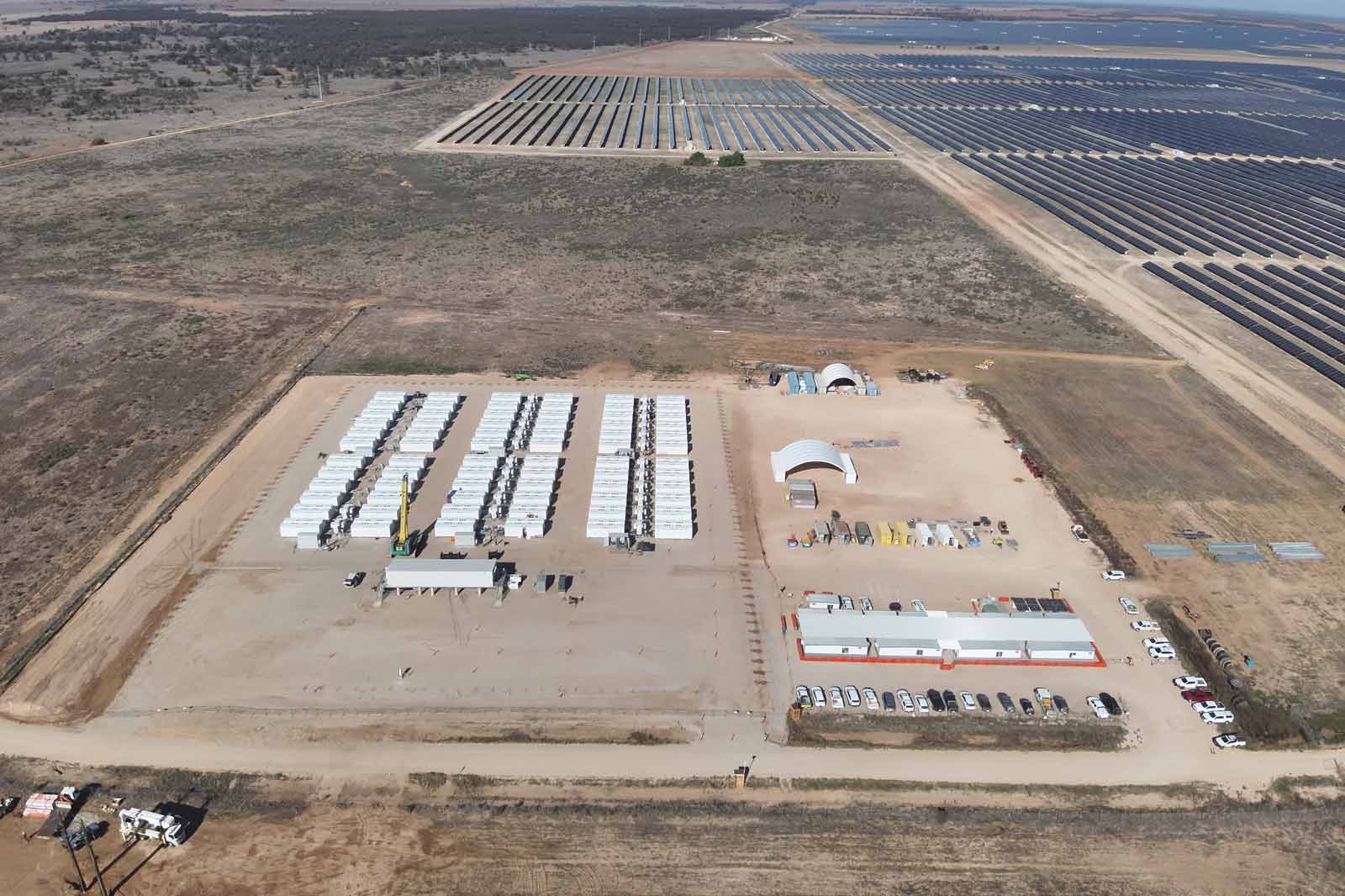
The Australian energy landscape is undergoing a profound transformation, and a recent development underscores the critical role of advanced energy storage in this shift. The commissioning phase of the Limondale Battery Energy Storage System (BESS) in southwest New South Wales marks a significant milestone, representing the nation’s longest-duration grid-scale battery. This 50 MW/400 MWh system, developed by the Australian arm of German utility RWE, is now registered with the Australian Energy Market Operator (AEMO) and is set to be fully operational by the end of 2026. Comprising 144 Tesla Megapacks, its ability to dispatch full power for eight hours positions it as a key enabler for grid stability and renewable energy integration, offering a compelling case for investors seeking exposure to the evolving energy infrastructure sector.
Beyond Short-Term Volatility: The Enduring Value of Grid Stability
While traditional oil and gas markets continue to grapple with significant volatility, the investment case for robust energy infrastructure like long-duration battery storage only strengthens. As of today, Brent crude trades at $90.38, marking a sharp 9.07% decline within the day, with its price oscillating between $86.08 and $98.97. Similarly, WTI crude has fallen by 9.41% to $82.59, and gasoline prices have dropped to $2.93 per gallon. This dramatic daily swing is not an isolated event; our proprietary data reveals Brent has plummeted from $112.78 on March 30th to its current $90.38, representing a nearly 20% contraction over just 14 days. This inherent unpredictability in crude prices highlights the imperative for diversified energy portfolios that can mitigate exposure to such rapid fluctuations. Investments in projects like the Limondale BESS, which provide essential grid services and enable greater renewable penetration, offer a more stable long-term return profile, insulated from the day-to-day whims of commodity markets.
Addressing Investor Concerns: Long-Term Outlook Beyond Crude Prices
Our proprietary reader intent data reveals a clear focus among investors on the long-term trajectory of energy markets. Questions like “What do you predict the price of oil per barrel will be by end of 2026?” underscore a desire for clarity amidst market uncertainty. While traditional oil price forecasts remain crucial, the strategic importance of projects like Limondale BESS demonstrates how major players are adapting to a new energy paradigm. RWE, for instance, operates over 1.2 GW of battery storage systems globally and is actively expanding its renewable portfolio in Australia, including the 1 GW Theodore Wind Farm in Queensland. This strategic pivot by integrated energy companies towards renewable generation and long-duration storage is a direct response to the energy transition, offering investors a hedge against potential downside in fossil fuel demand while capitalizing on the growth in clean energy. For those asking how traditional energy companies will perform, RWE’s actions signal a proactive embrace of the future grid, providing a blueprint for sustainable growth.
Upcoming Catalysts: Redefining “Energy News” for Investors
While the upcoming OPEC+ Ministerial Meeting on April 19th will undoubtedly dominate headlines and influence crude market dynamics, its impact on the broader energy transition narrative is increasingly nuanced. Investors are keen to understand OPEC+’s current production quotas, reflecting ongoing supply-side concerns. However, the Limondale BESS project signals a shift in what constitutes a critical market catalyst. The expectation of full commercial operation for Limondale by year-end 2026, following its AEMO registration, represents a significant operational milestone that will directly enhance grid stability in NSW. This development, supported by a long-term energy service agreement from NSW’s first long-duration storage tender, creates a precedent for future policy support and investment in similar projects. While API and EIA weekly inventory reports will continue to provide short-term trading signals on April 21st and 22nd respectively, and the Baker Hughes Rig Count on April 24th will offer insights into drilling activity, the successful integration and performance of large-scale, long-duration storage facilities are becoming equally, if not more, important indicators of the energy sector’s long-term health and investment potential. Investors should broaden their focus beyond traditional oil & gas metrics to include these critical infrastructure developments.


