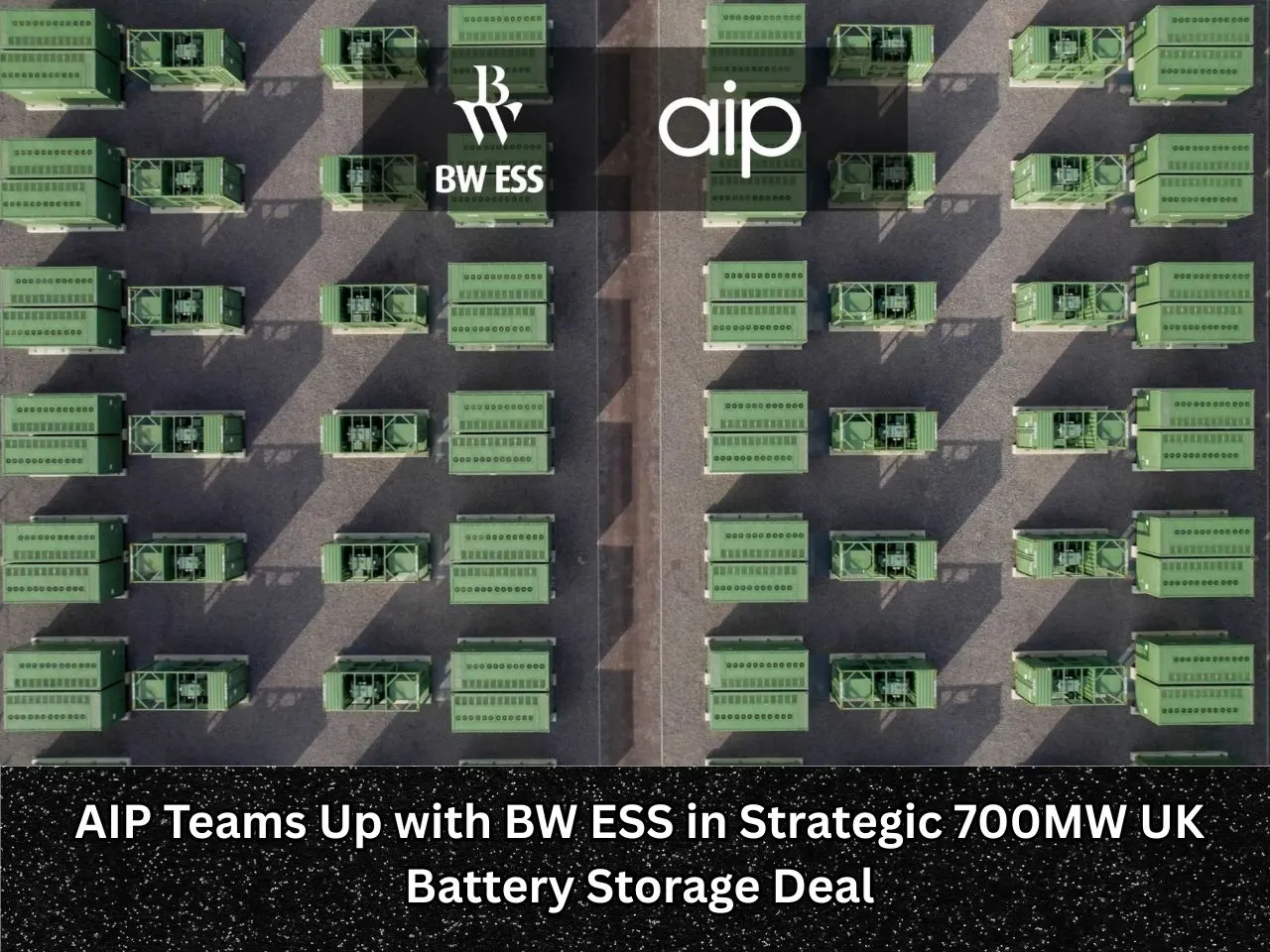
The energy investment landscape continues its dynamic shift, with significant capital flowing into critical infrastructure supporting the global energy transition. A prime example of this trend is the recent strategic investment by AIP Management, an established energy and decarbonisation infrastructure investor, into a substantial UK-based battery energy storage system (BESS) portfolio. This move, marking AIP’s inaugural dedicated investment in standalone battery storage, sees them acquiring a 49 percent equity stake in a 700MW portfolio with a 3.5-hour duration from BW ESS. For investors navigating the complex interplay of traditional energy markets and the accelerating transition, this transaction offers valuable insights into where smart capital is deploying, signaling a clear conviction in the future role of grid-scale flexibility.
Strategic Deployment in a Constrained Grid
This joint venture between AIP and BW ESS is not merely an investment; it’s a strategic response to the evolving demands of the UK power grid. The portfolio comprises three key assets: the already operational 100MW Bramley facility (331MWh), alongside two significant projects currently under construction, Hams Hall (400MW/1,422MWh) and Berkswell (200MW/712MWh). Once fully commissioned, these assets will be managed by BW ESS, which retains a 51 percent majority stake, leveraging its extensive operational expertise in battery storage. This partnership model is designed to deliver long-term value by pairing financial backing with proven industrial capabilities.
The rationale behind this substantial investment is rooted in the strong market fundamentals present in the UK. The nation’s aggressive push towards renewable energy sources, particularly intermittent wind and solar, coupled with a decline in traditional baseload generation and increasing grid constraints, creates an urgent need for flexible capacity. Large-scale battery storage, such as this 700MW portfolio, becomes indispensable for ensuring system stability, mitigating power price volatility, and enhancing the security of supply. Strategically located in the Midlands and South-East of England, these facilities benefit from proximity to major electricity load centers and National Grid substations, a critical factor for reducing congestion risks and maximizing access to lucrative arbitrage and balancing services. Once operational, this portfolio is projected to meet the electricity needs of 2.3 million UK homes for 3.5 hours, underpinned by revenue stability from long-term capacity market contracts and robust offtake arrangements.
Navigating Volatility: Battery Storage as a Diversifier in a Shifting Market
For investors primarily focused on traditional oil and gas, the current market dynamics underscore the importance of diversification. As of today, the crude oil market is experiencing significant downward pressure. Brent Crude trades at $90.38 per barrel, representing a notable 9.07% decline within the day, with a range fluctuating between $86.08 and $98.97. Similarly, WTI Crude stands at $82.59, down 9.41% today, having moved between $78.97 and $90.34. This acute daily volatility is part of a broader trend; our proprietary data reveals Brent has dropped from $112.78 on March 30th to $91.87 on April 17th, a substantial 18.5% depreciation in just two weeks. Gasoline prices have also followed suit, currently at $2.93, down 5.18% today.
Against this backdrop of unpredictable and often sharp movements in fossil fuel prices, investments in stable, contracted energy infrastructure like battery storage offer a compelling counterpoint. While the oil market reacts to geopolitical events, demand fluctuations, and supply decisions, battery storage assets, particularly those with long-term capacity market contracts, provide more predictable revenue streams. This stark contrast highlights how investments in the energy transition can serve as a valuable hedge, offering a different risk-reward profile compared to the cyclical and often volatile nature of crude oil and refined products. Investors are increasingly seeking assets that deliver consistent returns while aligning with global decarbonization efforts, a trend exemplified by AIP’s strategic entry into standalone BESS.
Future Outlook and Key Market Drivers
Looking ahead, the energy market will continue to be shaped by a confluence of factors, from traditional supply-demand dynamics to the accelerating pace of the energy transition. The upcoming OPEC+ Joint Ministerial Monitoring Committee (JMMC) meeting on April 18th, followed by the Full Ministerial meeting on April 19th, will be closely watched for any signals regarding production quotas. Any decisions here could further influence crude price stability, reinforcing the need for portfolio diversification away from pure upstream exposure. Furthermore, regular updates like the API Weekly Crude Inventory (April 21st, 28th) and the EIA Weekly Petroleum Status Report (April 22nd, 29th) will provide ongoing insights into demand and supply fundamentals, which indirectly affect the economic viability of new energy projects by influencing overall energy market sentiment.
However, beyond these immediate oil market indicators, the long-term drivers for battery storage investment remain robust. The UK’s commitment to net-zero targets and the increasing penetration of renewables mean that grid flexibility will only grow in importance. Policy support, as evidenced by capacity market mechanisms, provides a strong foundation for financial viability. The continuous improvement in battery technology, coupled with declining costs, further enhances the economic attractiveness of such projects. For investors, understanding these macro trends and how they drive capital deployment into infrastructure like the AIP/BW ESS portfolio is crucial for positioning portfolios for future growth and resilience.
Addressing Investor Concerns: Diversification in the Energy Complex
Our proprietary reader intent data reveals a consistent focus among investors on the future trajectory of energy markets. Questions such as “what do you predict the price of oil per barrel will be by end of 2026?” highlight the inherent uncertainty and the challenge of forecasting in volatile commodity markets. While forecasting precise oil prices years out remains speculative due to myriad unpredictable factors, what is certain is the accelerating structural shift in the energy complex.
This shift is precisely why investments like AIP’s stake in UK battery storage are gaining traction. For an investor traditionally exposed to oil and gas, allocating capital to essential energy transition infrastructure provides a crucial layer of diversification. It’s an investment in a different kind of energy security – one focused on grid stability, renewable integration, and managing peak demand, rather than solely on hydrocarbon extraction and processing. These assets, with their contracted revenues and vital role in the future grid, offer a more predictable return profile, which can help balance the higher volatility often associated with upstream oil and gas ventures. As the energy transition matures, we anticipate continued investor interest in these “picks and shovels” of the new energy economy, seeking opportunities that provide resilience and growth independent of daily crude price swings.


