The global energy landscape is currently a paradox, presenting both significant headwinds and emerging, transformative demand vectors for discerning investors. While the International Energy Agency projects a substantial surplus in global oil supplies for 2026 and beyond, driven by muted consumption in major economies, the market remains acutely sensitive to geopolitical shifts. Simultaneously, a potent new force is rapidly reshaping the power sector: the insatiable energy demands of artificial intelligence data centers. This dynamic interplay between traditional market fundamentals, geopolitical volatility, and novel power requirements creates a complex yet opportunity-rich environment for oil and gas investors.
Oil Market: Surplus Pressures Meet Geopolitical Volatility
The fundamental outlook for crude oil suggests a period of oversupply, a narrative underscored by recent forecasts from leading energy agencies. Projections indicate global oil production reaching approximately 104.9 million barrels per day this year, outstripping demand by a significant margin that is expected to persist for the next five years. This surplus is largely attributed to anticipated weaker consumption, particularly in key economic powerhouses like the United States and China. Yet, this underlying bearish pressure is continuously challenged by unpredictable geopolitical developments. For instance, recent high-stakes rhetoric regarding potential escalation in the Middle East has injected considerable volatility into an otherwise supply-heavy market. As of today, Brent crude trades at $93.22 per barrel, reflecting a notable decline of 8.8% from its $102.22 level on March 25th. This $-9 movement over the past two weeks highlights how quickly sentiment can shift, even without direct disruptions to supply flows. Investors frequently inquire about a base-case Brent price forecast for the next quarter, and this current market oscillation vividly illustrates the dual influence of fundamental supply-demand dynamics and geopolitical risk premiums on short-term price discovery.
AI’s Power Hunger: A New Frontier for Energy Demand
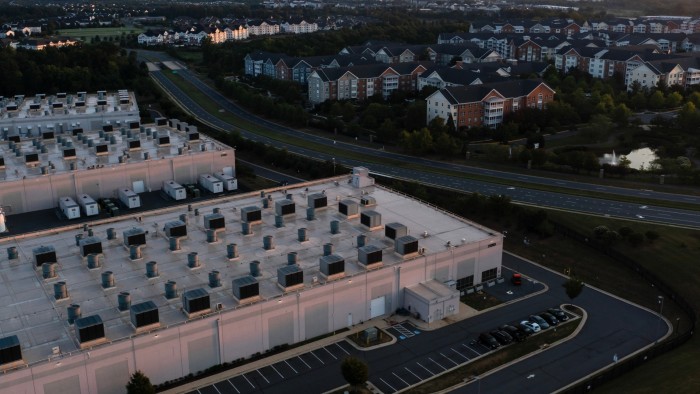
Beyond the traditional oil market, a seismic shift is underway in the power sector, driven by the exponential growth of artificial intelligence. Data centers, the physical infrastructure of the AI revolution, are proving to be extraordinarily power-intensive, creating an unprecedented surge in electricity demand. Energy consultancies are tracking approximately 134 gigawatts (GW) of proposed data center capacity across the United States alone. However, the actual requests for grid interconnection far exceed this figure, as developers strategically reserve multiple spots in various queues, hoping to secure power in the fastest possible timeframe. This aggressive jockeying for grid access underscores the urgency and scale of the demand. The challenge for energy investors lies in the significant mismatch between the long-term planning horizons of utility companies and power plant developers, who typically operate on 30-year timelines, and the much shorter, more uncertain profit outlooks of tech companies. This disconnect creates a significant risk: if data centers are brought online faster than new generation capacity can be developed and interconnected, consumers could face escalating energy costs and, critically, potential electricity outages.
Grid Capacity: The Critical Bottleneck and Investment Opportunity
The burgeoning power demand from AI data centers is exposing severe limitations in existing energy infrastructure, particularly the grid’s ability to handle new loads. Interconnection queues across the country are bursting at the seams, creating a substantial bottleneck for tech companies eager to bring their operations online. This has spurred developers to look beyond traditional hubs like Virginia and Texas, exploring states such as Pennsylvania, Ohio, Indiana, and Iowa, where they hope to find faster connection times. The urgency is so pronounced that some data center operators are even exploring radical solutions, including developing their own off-grid power supplies to bypass the protracted interconnection process entirely. For astute investors, this crisis represents a significant opportunity. The need for upgraded transmission lines, new generation capacity (both renewable and conventional to ensure reliability), and innovative energy storage solutions is immense. Investments in grid modernization, localized power generation, and even direct power purchase agreements with data centers are becoming increasingly attractive as companies scramble to secure reliable and affordable electricity.
Navigating the Next Quarter: OPEC+ and Supply Signals
Looking ahead, the next few weeks will be crucial for understanding the immediate future of the oil market, especially in light of the IEA’s surplus projections. Investors will be keenly watching the upcoming OPEC+ meetings, with the Joint Ministerial Monitoring Committee (JMMC) scheduled for April 18th and the full Ministerial Meeting on April 20th. These gatherings are pivotal, as any decisions regarding production quotas will directly impact global supply levels and potentially influence Brent crude’s trajectory against the backdrop of an anticipated surplus. Furthermore, other key indicators will offer valuable insights into market health. The Baker Hughes Rig Count, scheduled for release on April 17th and again on April 24th, will provide a snapshot of drilling activity in North America, signaling potential future production trends. Weekly crude inventory reports from API (April 21st, April 28th) and the EIA (April 22nd, April 29th) will offer granular data on immediate supply and demand balances. Monitoring these forward-looking events and data releases is essential for investors seeking to refine their base-case Brent price forecasts and assess the strength of global oil demand, especially given the IEA’s recent assessment of weak consumption in significant markets.