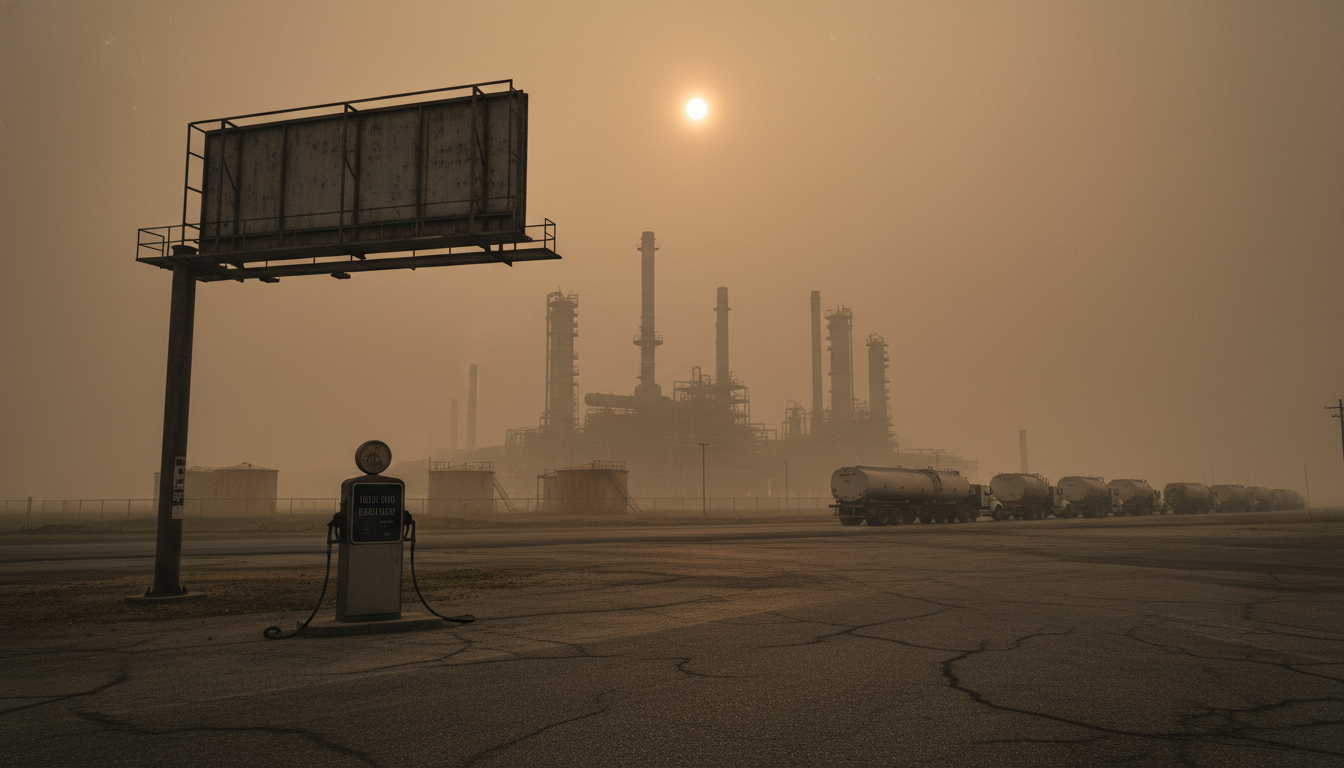
Southern Wildfires Spark Critical Energy Market Scrutiny Amid Escalating Climate Risks
Massive wildfires currently ravaging sections of Georgia and Florida demand immediate attention from energy sector investors, highlighting the compounding risks posed by environmental degradation and extreme weather events. These destructive blazes, fueled by a protracted drought and an immense accumulation of debris from Hurricane Helene in September 2024, are creating operational challenges and threatening economic stability across the U.S. Southeast, with ripple effects potentially impacting regional energy demand and logistics.
The scale of the devastation is rapidly expanding. Near Georgia’s coast, a single wildfire has already obliterated over 50 homes and continues to threaten countless more, forcing hundreds of residents to evacuate. Compounding the crisis, Georgia’s largest conflagration, situated precariously close to the Florida state line, shockingly doubled its footprint in less than 24 hours. By Thursday, this fire alone had consumed a sparsely populated area equivalent to twice the size of Manhattan, underscoring the formidable challenge faced by emergency responders and raising concerns about sustained disruptions to regional commerce and energy flows.
The human toll is immediate and severe, as displaced residents confront an uncertain future. “I don’t know if I have a house standing or not,” remarked Denise Stephens, who was compelled to abandon her residence near Hortense due to the aggressive Brantley County fire. “I know what it’s taken from other people, but I don’t know what I have left standing.” Such statements highlight not only personal tragedy but also the profound economic disruption that impacts local economies and, by extension, regional energy consumption patterns.
Compounding Environmental Factors Exacerbate Blaze Intensity
Officials confirm that the rapid intensification and spread of Georgia’s two largest fires are directly attributable to the extraordinary fuel load left by Hurricane Helene. The storm, which swept through the region in September 2024, impacted nearly 14,000 square miles (36,000 square kilometers) of forestland across Georgia. This vast expanse, critical for the paper and lumber industries, has been transformed into a combustible “tinderbox” by fallen trees and limbs, according to Seth Hawkins, a spokesperson for the Georgia Forestry Commission.
This immense volume of dry, highly flammable biomass, combined with a persistent drought affecting both southern Georgia and northern Florida, creates an exceptionally dangerous environment. Blustery winds further exacerbate the situation, igniting new fronts and expanding existing blazes with alarming speed, sending embers flying in all directions and making containment efforts exceedingly difficult. The underlying causes of these specific wildfires remain under investigation, but the extreme dryness and abundant fuel are undeniable accelerants.
Widespread Smoke and Air Quality Alerts Signal Broader Economic Impact
The immediate consequence of these massive fires extends far beyond the burn zones. Smoke plumes are drifting extensively across the U.S. Southeast, triggering severe air quality warnings for vulnerable populations in cities hundreds of miles from the fires. On Thursday, warnings were issued for areas as distant as Columbia, South Carolina, while Atlanta experienced a noticeable haze and smoky odor the previous day. For energy investors, this represents a significant indirect risk.
Poor air quality can disrupt commercial activity, reduce productivity, and increase healthcare costs, all of which weigh on regional economic vitality. Such conditions can impact labor availability for various industries, including those supporting energy infrastructure, and could potentially lead to temporary closures or reduced operational capacities. While direct threats to major oil and gas infrastructure, such as refineries or pipelines, are not currently reported in the immediate fire zones, the broader economic slowdown and logistical challenges are material considerations for investment strategies focused on the region.
Operational Challenges and Energy Logistics Under Strain
The logistical ramifications of these wildfires are a critical concern for energy markets. The demand for transportation fuels for emergency services — including firefighting equipment, medical vehicles, and evacuation support — surges during such crises, potentially straining local supply chains. Simultaneously, visibility issues caused by widespread smoke and potential road closures could impede the efficient movement of petroleum products and other critical commodities, affecting regional distribution networks.
Furthermore, the environmental factors at play — drought, hurricane debris, and high winds — underscore the increasing vulnerability of infrastructure to extreme weather. Investors must evaluate the resilience of their energy assets and supply chains against these evolving climate-related risks. Florida, battling over 130 wildfires predominantly in its northern half, is also feeling the immense pressure on its emergency response systems and resource allocation, including energy for critical operations. In Georgia, fire crews responded to 34 new, smaller blazes on Wednesday alone, demonstrating the pervasive nature of the threat.
Future Outlook: Precipitation Offers Hope Amidst Lightning Risk
The immediate outlook hinges on weather patterns. Forecasts indicate a 30% to 40% chance of showers or thunderstorms over the weekend in the areas affected by Georgia’s major fires. While any precipitation would be a welcome respite for firefighters and could help temper the blazes, thunderstorms introduce a dual risk: the possibility of lightning strikes, which could ignite new fires in still-dry, debris-laden areas, further complicating containment efforts.
For energy investors, these events serve as a stark reminder of the increasing frequency and intensity of climate-related disruptions. Understanding the financial implications of such large-scale natural disasters — from direct infrastructure damage to indirect economic slowdowns and supply chain interruptions — is paramount. Strategies for enhancing resilience, diversifying regional investments, and factoring in climate risk assessments are becoming non-negotiable components of a robust energy investment portfolio. The ongoing situation in Georgia and Florida underscores the imperative for continuous monitoring of environmental and operational risks within critical energy markets.


