Geopolitical Tensions Soar: Hormuz Traffic Halted Amidst Iranian Vessel Seizures
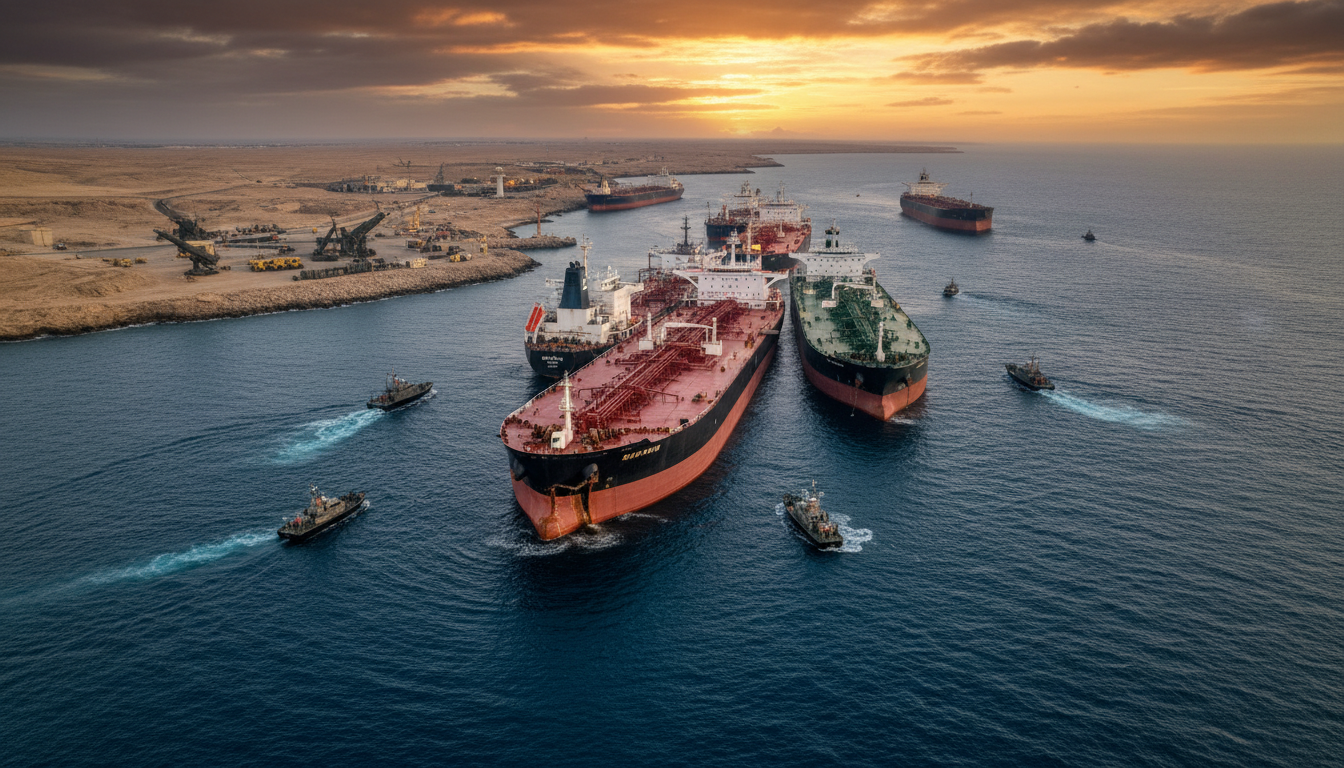
The global oil and gas markets are on high alert following a dramatic escalation of geopolitical tensions in the Strait of Hormuz. On Thursday, commercial shipping through this vital chokepoint ground to a standstill after Iranian forces initiated aggressive actions, including firing upon merchant vessels and seizing at least two ships. This marks a concerning new phase, representing the first such seizures in nearly eight weeks of heightened regional friction.
Observational data confirmed the severe disruption. Early Thursday, only one vessel, the bulk carrier LB Energy, managed to navigate the waterway. The products tanker Ocean Jewel, having reportedly aborted its transit shortly after Iranian forces began their attacks on three ships, was seen idling precariously at the entrance to the corridor. The implications for crude oil flows and global supply chains are immediate and substantial.
Iran’s Escalatory Tactics Target Key Maritime Assets
The incident saw two of the targeted vessels, the MSC Francesca and the Epaminondas, subsequently boarded by Iranian naval personnel. This move underscores Tehran’s increasingly assertive posture, signalling a deliberate effort to exert control over the strategic maritime traffic traversing the Strait of Hormuz. While the full extent of the impact on crew and cargo remains to be fully assessed, such actions introduce significant uncertainty and risk for international shipping and, by extension, the energy sector.
Despite the widespread halt, one vessel did successfully traverse the strait in the immediate aftermath of the initial hostilities. The Greek-owned, Marshall Islands-flagged bulk carrier Ascanio, which had reportedly delivered foodstuffs to Iran, completed its crossing late Wednesday and is now proceeding southbound in the Gulf of Oman. This isolated passage, however, offers little comfort to an industry grappling with unprecedented levels of risk in one of the world’s most critical energy transit routes.
A Pattern of Aggression: Hormuz on Edge
Shipowners operating vessels in the Persian Gulf have been increasingly apprehensive in recent days. Wednesday’s hostile confrontation represents the second such round of attacks in less than a week. Just over the past weekend, Iranian forces abruptly ended a brief period of operational calm within the strait by firing upon passing vessels. Tehran subsequently clarified these actions, asserting they were a direct response to the United States’ continued naval blockade of Iran’s coastline.
For energy investors, this volatile environment directly impacts maritime insurance premiums, transit times, and ultimately, the delivered cost of crude oil and liquefied natural gas (LNG). The Strait of Hormuz is not merely a shipping lane; it is the artery through which approximately one-fifth of the world’s total oil consumption, and a significant portion of its LNG, passes daily. Any prolonged disruption or increase in perceived risk here can trigger sharp reactions in global energy commodity prices.
U.S. Countermeasures and Blockade Impact
According to reports from U.S. forces, their naval presence has been actively enforcing a blockade of Iran’s coastline since April 13. Since its inception, this operation has resulted in 31 vessels being turned away, with the vast majority identified as oil tankers. This demonstrates a clear intent by Washington to restrict Iranian maritime trade, particularly its energy exports, a policy which Tehran views as an act of economic warfare.
While various ship-tracking platforms initially indicated numerous vessels successfully bypassing the blockade boundary, U.S. forces subsequently confirmed that a number of these had indeed been intercepted. Currently, two Iranian supertankers are reportedly anchored in Chabahar, an Iranian port located in the Gulf of Oman, unable to proceed. Another Iranian tanker is presently under escort by a U.S. warship, highlighting the direct confrontation playing out at sea.
Deepening Uncertainty for Shipping and Energy Markets
The financial ramifications of such events are far-reaching. The ownership structures of the vessels involved underscore the global nature of this crisis. The LB Energy is owned by Woody Chartering Ltd., with Grehel Shipmanagement Co. managing its operations, both sharing a Greece-based address. The Ocean Jewel is under the ownership and management of Shanghai-based Ocean Jewel Shipping Co. Ltd. Meanwhile, the Ascanio is owned by Ascanio Maritime Ltd. and managed by Minoa Marine Ltd., both domiciled in Athens. These companies, upon inquiry, have not yet provided immediate comments, reflecting the rapidly evolving and sensitive nature of the situation.
The escalating tensions in the Strait of Hormuz demand unwavering attention from oil and gas investors. The direct interference with international shipping, coupled with tit-for-tat actions between Iran and the United States, introduces a significant geopolitical risk premium to energy markets. Potential impacts include spikes in crude oil benchmarks like Brent and WTI, increased shipping insurance costs, and possible delays or re-routing of critical energy cargoes. As the situation remains fluid, market participants must closely monitor developments, as further escalation could have profound and immediate consequences for global energy supply and pricing stability.


