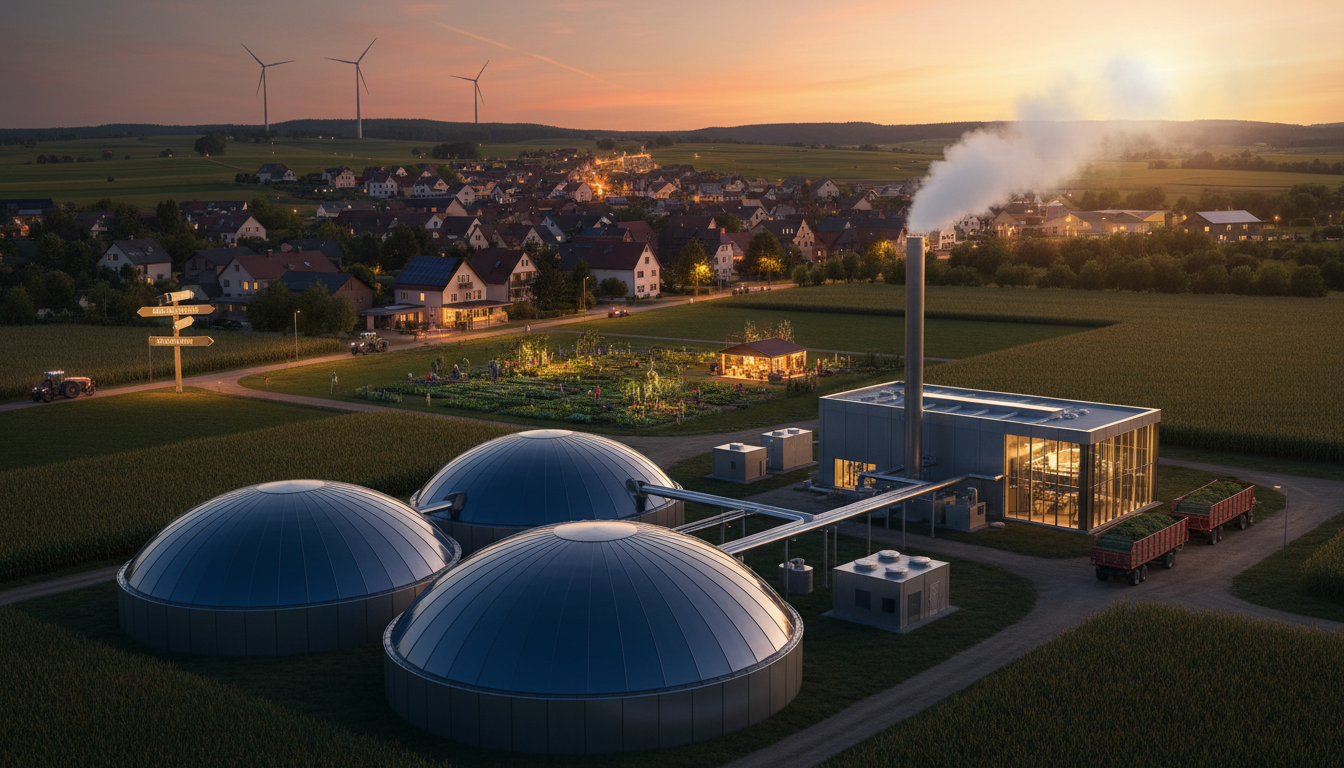
India’s Rural Biogas Revolution: Jharkhand’s GOBARdhan Initiative Signals New Investment Horizons
As global energy markets navigate complex transitions, shrewd investors increasingly scrutinize opportunities within decentralized, sustainable energy solutions. In India, a significant, yet often overlooked, development is unfolding in states like Jharkhand, where the expansion of biogas infrastructure under the GOBARdhan initiative is redefining rural energy security and presenting compelling pathways for environmental, social, and governance (ESG) focused capital. This transformative program, rooted in the ‘Kachre se Kanchan’ (waste to wealth) philosophy, actively converts agricultural and animal waste into vital cooking gas and organic fertilizers, promising a dual dividend of cleaner villages and empowered households.
Launched by the Central government in April 2018 as a strategic component of the Swachh Bharat Mission (Grameen) (SBM-G) 2.0, the GOBARdhan scheme targets comprehensive solid and liquid waste management at the village level. Its core objectives are clear: elevate village sanitation standards, boost the economic viability of rural communities, and unlock the inherent value in cattle dung and other organic refuse by generating both energy and nutrient-rich organic manure. For investors keen on sustainable infrastructure and the burgeoning Indian energy sector, these initiatives represent a tangible shift towards a circular economy model within the energy landscape.
Scaling Impact: Current Footprint and Direct Benefits
Jharkhand’s commitment to this renewable energy pathway is demonstrably scaling. Across its 24 districts, a robust network of 44 gobar gas plants has been successfully commissioned, directly impacting the lives of 745 families. Manohar Marandi, Special Secretary for the Jharkhand Swachh Bharat Mission (Grameen), emphasizes the cultural significance of cattle rearing in many districts. Historically, communities focused primarily on milk production; however, since the GOBARdhan scheme’s focused implementation from the 2020-21 fiscal year, cow dung now serves a higher purpose. It generates cooking gas, thereby significantly reducing the pervasive rural reliance on traditional firewood, a critical step towards energy independence and healthier living conditions.
The operational efficiency of these biogas plants extends beyond mere fuel production. They actively combat localized air pollution, leading to palpable improvements in the health outcomes for rural populations. The persistent heavy smoke from burning firewood, a long-standing public health concern, is steadily diminishing. Furthermore, these plants are instrumental in managing a substantial portion of village solid waste, encompassing not just cow dung but also diverse agricultural residues. This integrated waste management approach enhances environmental sanitation, curbing vector-borne diseases and improving overall public health metrics, adding further weight to their investment appeal from a social impact perspective.
Economic Catalysts and Energy Resilience
The financial benefits flowing directly to rural households represent a powerful economic catalyst. By producing their own biogas, families significantly reduce their expenditure on commercial LPG cylinders, freeing up valuable capital for other essential needs or savings. The innovative aspect lies in the circular utility of the feedstock: the same cow dung used for biogas production undergoes a process that transforms it into high-quality organic manure. This nutrient-rich byproduct, in turn, boosts agricultural productivity, completing a virtuous cycle that enhances farm income and strengthens food security. For investors, this demonstrates a self-sustaining economic model with multiple revenue streams and cost savings at the micro-level.
Moreover, the GOBARdhan initiative significantly bolsters energy security, a critical consideration in any national energy portfolio. Manohar Marandi highlighted the program’s resilience during periods of broader energy market instability. During recent nationwide LPG supply challenges, communities dependent on biogas faced no disruptions, continuing to produce their own fuel without interruption, given the perennial availability of cattle waste in villages. This intrinsic reliability underscores the strategic value of decentralized biogas as a buffer against external supply shocks and price volatility. Witnessing the palpable success and resilience of these operational plants, the department now plans to establish approximately 10 additional facilities across the state in the upcoming financial year, signaling continued governmental backing and a clear growth trajectory for the sector.
Investment Outlook and Future Prospects
The investment model itself, while community-centric, offers interesting insights for public-private partnerships. Digvijay Kumar, State Consultant of SBM-G, clarified that while households incur no direct cost for the gas consumption, a modest financial contribution is typically collected by village-level committees to ensure the plant’s ongoing maintenance and operational sustainability. This collaborative funding model, blending community ownership with essential operational contributions, suggests a robust framework for long-term viability.
For investors focused on the evolving energy landscape of India, particularly within renewable natural gas (RNG) and waste-to-energy sectors, Jharkhand’s GOBARdhan program offers valuable insights. It showcases a proven, scalable model for converting agricultural waste into a reliable energy source while simultaneously addressing critical environmental and social challenges. The emphasis on rural empowerment, reduced fossil fuel dependency, and the creation of valuable organic fertilizer positions these projects as attractive propositions within the broader energy transition narrative. As India strives to meet its ambitious climate goals and enhance rural prosperity, investment in such decentralized, sustainable energy infrastructure will undoubtedly play a pivotal role, offering compelling returns for those who recognize the strategic implications of energy generated from “waste to wealth.”


