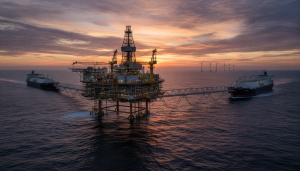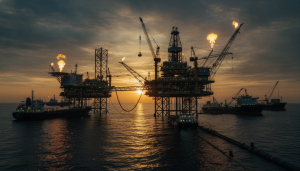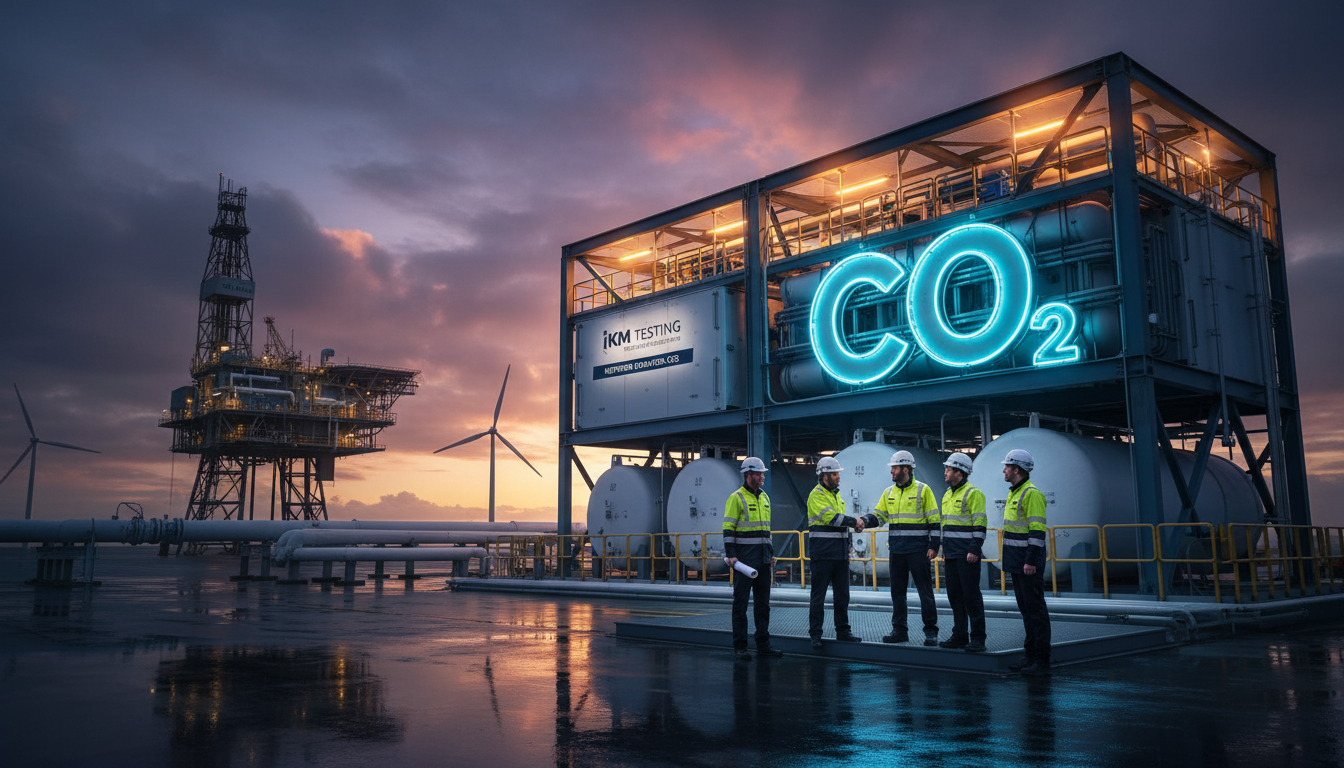
In a significant development for the burgeoning carbon capture and storage (CCUS) sector, IKM Testing UK has secured a pivotal contract to deliver pre-commissioning services for the extensive pipeline network underpinning the Northern Endurance Partnership (NEP) project in eastern England. This award underscores the growing investment appetite and operational maturity within the UK’s ambitious drive towards industrial decarbonization, marking a critical milestone for a flagship energy transition initiative.
Operating under the purview of main contractor Saipem, IKM Testing UK will play an instrumental role in preparing the vast CO₂ transport and storage infrastructure. This vital system is engineered to funnel industrial emissions from major emitters across the Teesside and Humber industrial clusters, directing them to secure, permanent geological storage sites located deep beneath the North Sea. The NEP project itself forms a cornerstone of the broader UK East Coast Cluster, recognized as one of the nation’s premier CCUS initiatives and a blueprint for future large-scale carbon reduction efforts.
De-risking Investments: The Critical Role of Pre-Commissioning
The scope of work entrusted to IKM Testing UK encompasses a suite of essential pre-commissioning activities, each crucial for guaranteeing the long-term operational integrity and safety of the CO₂ pipelines. These services include pipeline flooding, meticulous cleaning, precise gauging, and rigorous hydrotesting. From an investor perspective, these stages are not merely technical prerequisites but fundamental de-risking mechanisms. They systematically verify the structural integrity of the pipeline system, ensuring it is robustly prepared for the safe injection and sustained containment of CO₂, a non-negotiable aspect for projects of this environmental and financial scale.
The integrity of CO₂ transport systems is paramount, given the stringent safety and environmental regulations governing carbon capture infrastructure. Flooding procedures confirm volume and detect potential leaks, while cleaning ensures the removal of any construction debris that could impede flow or compromise equipment over time. Gauging precisely maps the internal diameter and detects any anomalies, guaranteeing smooth passage for specialized inspection tools during operation. Hydrotesting, arguably the most critical step, involves pressurizing the pipeline with water to a level significantly exceeding its operational pressure, thereby proving its strength and leak-tightness before CO₂ is introduced. This meticulous approach directly translates into reduced operational risks and enhanced asset longevity, factors highly valued by institutional investors eyeing long-term returns in clean energy infrastructure.
NEP: A Cornerstone of UK Decarbonization and Investment
The Northern Endurance Partnership is at the forefront of developing the intricate onshore and offshore infrastructure required to effectively transport captured emissions from some of the UK’s most carbon-intensive industrial regions. Its mission is to facilitate their secure geological storage deep beneath the North Sea. This monumental undertaking is not just an environmental imperative but a significant economic catalyst. It is anticipated to play a central role in accelerating the UK’s ambitious carbon reduction targets, moving the nation closer to its net-zero goals, and enabling the widespread deployment of CCUS technology across various industries.
The project’s success is vital for retaining critical industrial capabilities within the UK, offering these sectors a viable pathway to decarbonize without sacrificing competitiveness. For investors, the NEP represents a tangible asset in the emerging carbon economy, demonstrating the potential for substantial capital expenditure in resilient infrastructure that aligns with global sustainability mandates. The integration of industrial hubs like Teesside and Humber into a unified CCUS network creates a powerful synergy, attracting further investment and fostering innovation in related energy transition technologies.
Expert Commentary and Market Positioning
“Pre-commissioning stands as an absolutely critical phase in the successful delivery of any major pipeline system, a truth amplified exponentially for CO₂ infrastructure where safety and system integrity are not just priorities, but fundamental necessities,” stated Barry Summers, Regional Director at IKM Testing UK. His comments highlight the specialized expertise demanded by these complex projects and underscore the crucial role of specialized service providers in validating the readiness of this new generation of energy infrastructure.
This significant contract award not only reinforces IKM Testing UK’s strategic position within the rapidly expanding global carbon capture market but also vividly illustrates the enduring and evolving role of the North Sea’s seasoned supply chain companies. These firms, traditionally foundational to the oil and gas industry, are now adeptly pivoting their capabilities and deep-seated expertise to deliver cutting-edge energy transition infrastructure. This adaptability presents a compelling narrative for investors, showcasing how established industry players are leveraging existing strengths to capture new opportunities in the decarbonization economy.
Outlook: Investing in the Future of Carbon Management
The continuous progression of projects like the NEP, bolstered by key contracts awarded to experienced firms such as IKM Testing UK, signals robust momentum in the UK’s energy transition journey. For investors, the CCUS market, particularly within industrial clusters leveraging existing infrastructure and geological advantages, presents a compelling long-term opportunity. These foundational projects are critical stepping stones, proving the technical viability and economic feasibility of large-scale carbon management. As regulatory frameworks mature and carbon pricing mechanisms strengthen globally, investments in such infrastructure are poised to deliver sustainable value and contribute significantly to global decarbonization efforts, making them increasingly attractive assets in a diversified energy portfolio.