Extreme Weather Batters Balkans, Exposing Energy Market Vulnerabilities and Investment Risks
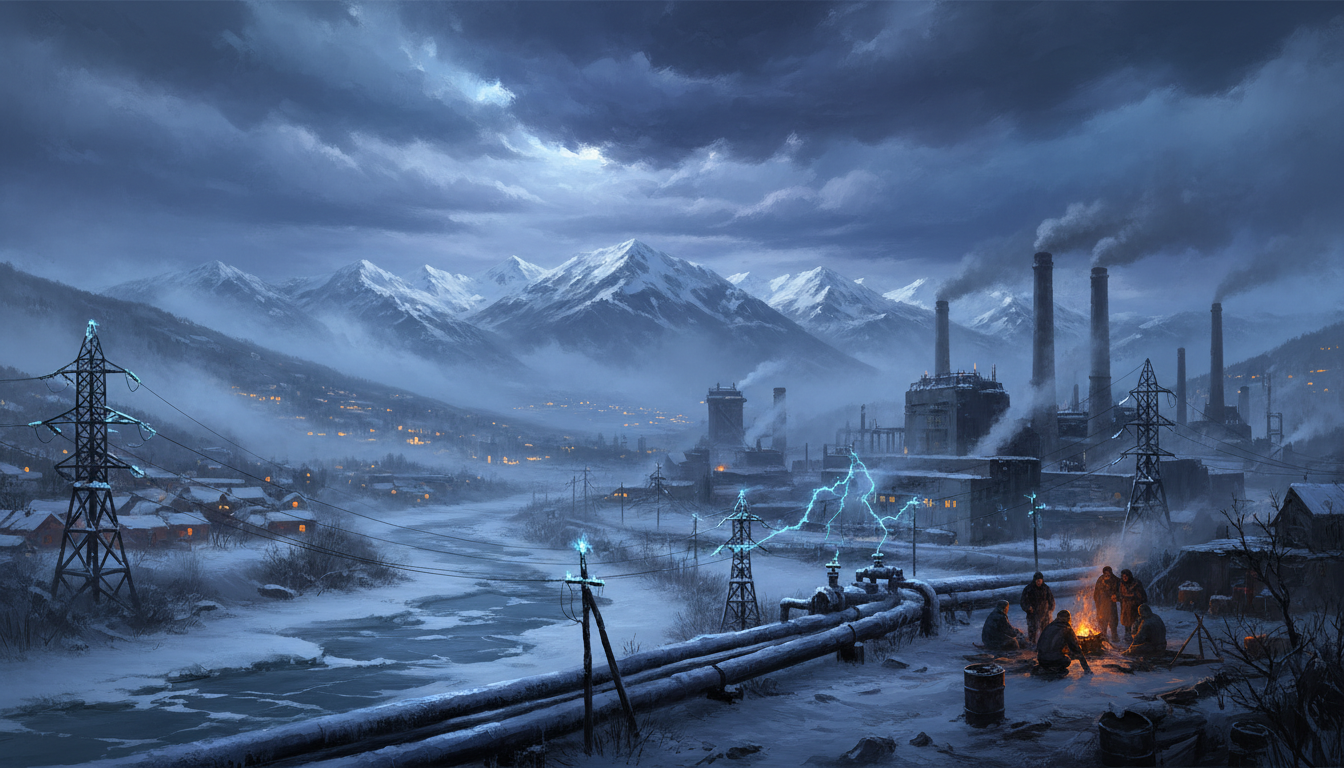
A ferocious winter storm has swept across parts of Slovenia, Croatia, and Bosnia-Herzegovina, unleashing powerful winds, torrential rain, and heavy snowfall. This multi-country weather event has not only brought daily life to a standstill, forcing school closures and snarling traffic, but it has also delivered a stark reminder of the energy sector’s inherent vulnerabilities to extreme climatic conditions. For oil and gas investors, such events underscore the critical need for resilient infrastructure, robust supply chains, and forward-thinking climate adaptation strategies.
The severity of the conditions was particularly felt in Slovenia, where authorities issued widespread weather alerts. Gusts reached a staggering 141 kilometers per hour (87 miles per hour) in certain areas, according to reports. This extreme wind velocity, coupled with accumulating snow even in lower-lying regions of the Alpine nation, created hazardous environments. Emergency services worked relentlessly to clear numerous roads blocked by fallen trees, a testament to the storm’s destructive power. Crucially, the tempest left more than 15,000 households without electricity across the affected Slovenian regions, highlighting immediate threats to grid stability and energy supply continuity.
Neighboring Croatia experienced similar disruptions, with its capital, Zagreb, bearing the brunt of the storm on Thursday afternoon and overnight. Wind speeds in Zagreb peaked at an unusually high 120 kilometers per hour (74 miles per hour), as noted by meteorologists. This sustained, powerful wind toppled trees, some ripped from their roots, causing extensive damage to parked vehicles and obstructing city streets. Public transport was severely impacted, with critical tram lines sustaining damage. Education authorities in Croatia also opted to suspend classes for primary and secondary schools on Friday, prioritizing safety amidst the hazardous conditions. Investors must consider the operational costs and potential revenue losses incurred by energy distributors and transport companies during such widespread shutdowns.
Further south, northwestern Bosnia also grappled with the storm’s fury. Heavy snowfall rendered roads impassable for larger vehicles, significantly impeding logistical operations for freight and potentially fuel deliveries. Echoing the challenges faced by its neighbors, Bosnian authorities reported widespread problems with electricity supply, leading to the suspension of school activities until conditions sufficiently improved. The cascading effect of these outages across multiple nations in the Balkan region raises questions about grid interconnectivity resilience and the robustness of regional energy security protocols in the face of coordinated environmental assaults.
This widespread energy disruption prompts an essential dialogue for investors regarding climate change and its tangible impact on critical infrastructure. Experts increasingly link such intense and lasting extreme weather events to broader climatic shifts. For the oil and gas sector, this connection is not merely academic; it translates directly into heightened operational risks, increased capital expenditure for infrastructure hardening, and potentially volatile energy demand patterns. Evaluating companies’ preparedness for these ‘new normal’ weather extremes is becoming an integral part of due diligence for any discerning energy investor.
The financial ramifications for energy providers and consumers are significant. Grid operators face substantial repair costs for damaged power lines and substations, impacting profitability and potentially requiring increased tariffs. Fuel distributors encounter logistical nightmares, with blocked roads hindering the delivery of gasoline, diesel, and heating oil, potentially leading to localized supply shortages and price spikes. While overall demand might fluctuate – residential heating demand could surge during outages requiring generator fuel, contrasting with reduced industrial and commercial consumption due to closures – the disruption to the supply chain represents a core challenge for maintaining energy market stability and operational continuity.
From an investment standpoint, these events necessitate a re-evaluation of asset resilience. Companies with significant infrastructure in regions prone to extreme weather must demonstrate comprehensive risk management frameworks, including proactive maintenance, climate-proof construction standards, and diversified energy sources. Investment in ‘smart grid’ technologies, undergrounding power lines where feasible, and enhancing energy storage capabilities could mitigate future financial exposure. For oil and gas companies, securing supply routes and ensuring fuel availability for backup power generation becomes paramount, solidifying their role in energy security even amidst a broader transition.
Furthermore, these incidents feed into the broader narrative of energy transition and ESG (Environmental, Social, and Governance) investing. As physical climate risks intensify, investors are increasingly scrutinizing how energy companies are adapting their business models and infrastructure. Does this storm accelerate the push towards decentralized renewable energy solutions, which might offer some resilience from large-scale grid failures but have their own weather-dependent generation profiles? Or does it underscore the continued critical role of natural gas and other conventional fuels in providing reliable baseload power and backup generation when renewable sources are constrained by weather conditions?
Ultimately, the recent severe weather across the Balkans serves as a potent case study for the global energy investment community. It highlights the non-negotiable imperative of integrating climate resilience into long-term strategic planning and capital allocation. Energy markets in these regions, reliant on both domestic production and imports, are particularly sensitive to disruptions that impact transport and grid integrity. As extreme weather patterns become more frequent and intense, the ability of energy companies to protect their assets, ensure supply chain fluidity, and maintain operational stability will be a defining factor in their financial performance and attractiveness to investors.