Unseasonal Winter Blast in Rockies Sparks Energy Demand Concerns Amidst Volatile Weather Patterns
A late spring snowstorm recently blanketed parts of Colorado, delivering an unexpected wintry punch across the Rocky Mountains and High Plains. While an aesthetic marvel, this weather event carries significant implications for regional energy markets, supply chain logistics, and overall commodity demand, issues closely watched by investors in the oil and gas sector. The sudden cold snap, impacting everything from urban centers to agricultural operations, underscores the increasing volatility of weather patterns and their direct influence on energy consumption and infrastructure resilience.
The storm, which commenced its sweep on Tuesday and gradually tapered off by Wednesday afternoon, prompted widespread disruptions. Schools across major districts, including Denver Public Schools, suspended classes, affecting thousands of students and faculty. Air travel faced immediate hurdles, with Denver International Airport reporting delays and cancellations as the heavy, wet snow accumulated. For commuters, the slushy and hazardous road conditions signaled potential dips in short-haul fuel consumption while simultaneously increasing demand for de-icing agents and road maintenance operations, all of which require energy inputs and impact local municipal budgets.
Specific snow totals painted a clear picture of the storm’s intensity and localized impact on energy systems. Jamestown, a small mountain community near Boulder, registered an impressive 16.3 inches (41.4 centimeters) by early Wednesday, while Estes Park, adjacent to Rocky Mountain National Park, saw 17 inches (43 centimeters) by Tuesday night. Boulder itself received nearly 6 inches (15 centimeters) of snow by the end of Tuesday, prompting city officials to caution residents about downed trees and branches, which can pose risks to power lines. Urban areas like the Denver metro area, Fort Collins, and Castle Rock prepared for an additional 2 to 4 inches (5 to 10 centimeters) on Wednesday. Such substantial snowfall, particularly when wet and heavy, stresses local power grids, posing risks of downed lines and service interruptions, which can temporarily spike localized demand for backup power solutions, often fueled by natural gas or diesel generators.
Denver experienced what could become its most significant snowfall of the season, recording 3.7 inches (9.3 centimeters) by 2 a.m. The city’s temperatures plunged into the low 30s Fahrenheit on Wednesday morning, triggering the activation of its cold weather shelter plan. This sharp decline in temperature directly translates into an immediate surge in heating demand across residential, commercial, and industrial sectors. For natural gas markets, even a localized cold snap of this magnitude can lead to a notable uptick in regional consumption, influencing short-term price dynamics and pipeline flows. Energy investors closely monitor these temperature anomalies for their direct impact on commodity prices and utility performance, forecasting how prolonged cold spells can strain gas storage and distribution networks.
Beyond heating, the storm’s reach extended to broader economic activity. The cancellation of professional sports events, such as the Colorado Rockies baseball games, while somewhat common for May snows in Denver (four times in 2015 alone, according to MLB), exemplifies the ripple effect of severe weather on local economies and leisure industries. More critically, the disruption to air and ground transportation channels impacts the delivery of goods and services, including essential supplies for the energy industry itself. Refineries and distribution hubs rely on consistent logistics, and any impediment can lead to temporary bottlenecks or increased operational costs for fuel transport within the affected zones. The David Guetta concert at Red Rocks, though proceeding with an earlier start time, highlighted consumer adaptation, with attendees bundling up, again signaling a clear need for increased personal heating and potentially higher energy use in indoor venues and homes post-event.
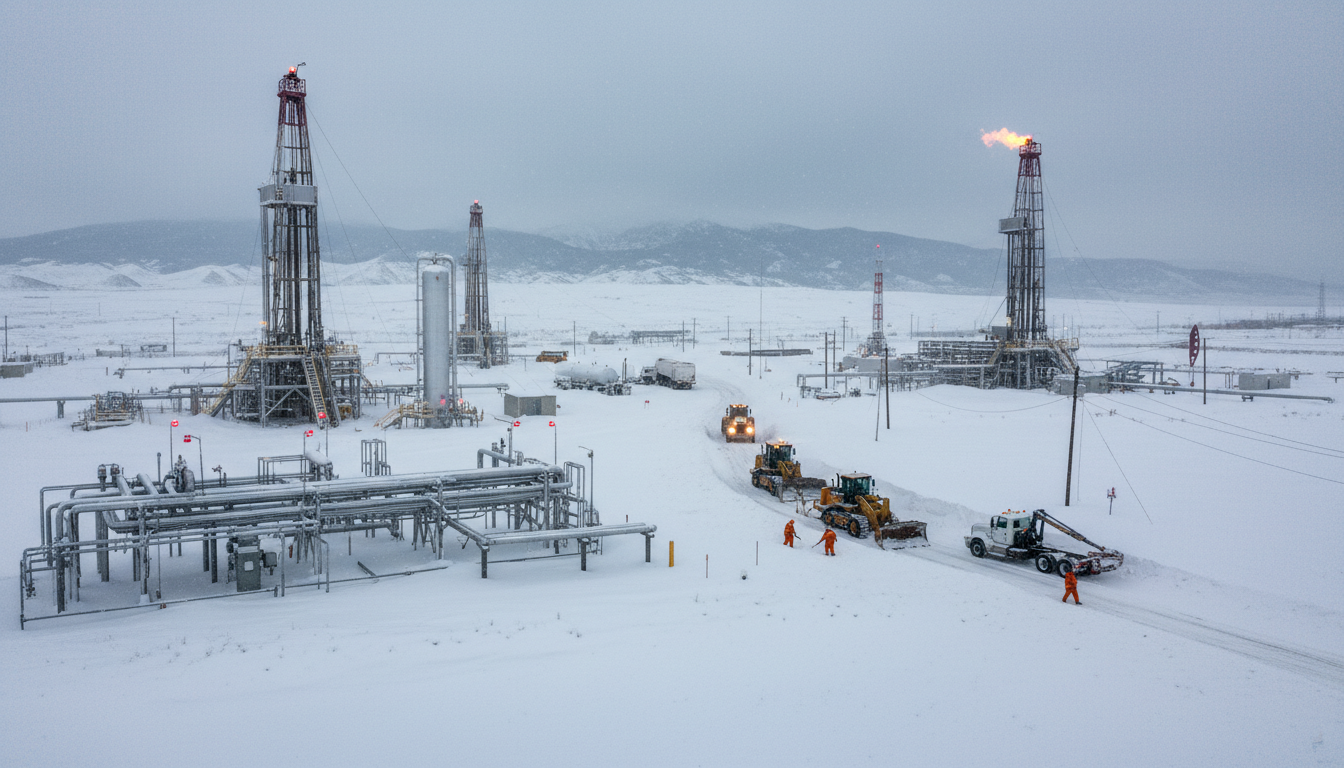
May snowfalls, though unusual in intensity, are not entirely unprecedented in Colorado. Furthermore, regions like Cheyenne, Wyoming, situated at nearly 1,000 feet (300 meters) higher elevation than Denver, experience even more frequent and intense late-season winter weather due to consistently cooler temperatures and higher wind speeds, which create significant drifting. For oil and gas operations spanning the vast Rocky Mountain resource plays, understanding and preparing for such extreme weather variability is paramount. These conditions can complicate field operations, impact drilling schedules, and increase the logistical challenges of transporting crude oil, natural gas, and refined products from remote production sites. Investors assess how effectively companies within their portfolios manage these environmental risks, considering their impact on quarterly production targets and overall operational expenditures.
Timely Moisture Offers Drought Relief Amidst Complex Agricultural Energy Demands
Ironically, this late-season deluge arrived after a drier and warmer April, which saw Denver missing an inch of rain (2.5 centimeters) and 2.8 inches of snow (7 centimeters) compared to seasonal norms. For agricultural sectors grappling with Colorado’s persistent drought, the moisture was a welcome, if inconveniently timed, boon. Farmers like Adam Jones of Unsung Family Farms in Longmont actively sought to capitalize on the precipitation, planting carrot seeds just days prior to the storm. He emphasized the superior distribution of natural snowfall compared to energy-intensive drip lines or sprinklers, highlighting the intricate relationship between water availability, agricultural productivity, and the energy demand for irrigation systems. However, the need to protect more weather-sensitive crops indoors with auxiliary heating systems also illustrates the trade-offs and added energy costs associated with adapting to unpredictable weather cycles, affecting diesel and electricity consumption on farms.
Broader Weather Volatility Impacts National Energy Landscape
The Rocky Mountain snowstorm is not an isolated incident of climatic volatility. Concurrently, other parts of the United States, particularly the Southeast, grappled with severe thunderstorms and the risk of tornadoes on Wednesday, with the strongest activity anticipated from Arkansas through Georgia. This broader pattern of extreme weather events across different regions has profound implications for the national energy landscape. While one region faces heating demand spikes due to unseasonable cold, another might experience power outages from severe storms, affecting electricity generation and transmission, and potentially disrupting refining operations or pipeline integrity. Energy investors must consider this mosaic of weather-driven challenges, understanding how localized events contribute to a larger narrative of climate risk and opportunity in the dynamic global energy market, influencing everything from spot prices for natural gas to long-term infrastructure investment decisions.
As global energy demand continues to evolve, influenced by population growth, economic activity, and increasingly, climatic shifts, the interplay between weather phenomena and energy markets becomes a critical focus for investors. Events like the Colorado snowstorm, while regional, serve as potent reminders of the immediate, tangible effects on energy consumption, infrastructure, and supply chain stability. Companies demonstrating robust resilience to such weather-induced disruptions, alongside strategic planning for diversified energy portfolios and enhanced grid reliability, are likely to present more attractive investment profiles. Monitoring these climatic indicators and their downstream effects on commodity prices and operational costs remains essential for navigating the complex terrain of oil and gas investing in an era of amplified weather volatility, demanding agile strategies and foresight from market participants.


