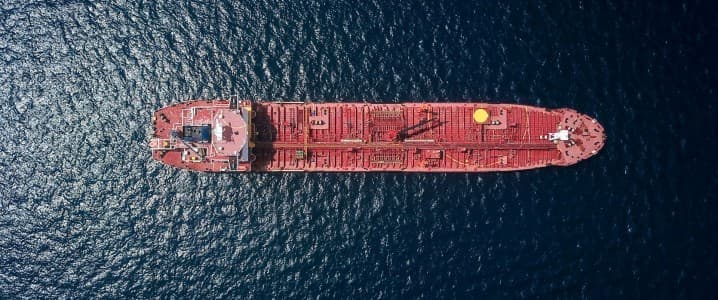
The geopolitical landscape of global oil trade continues to evolve, presenting both challenges and opportunities for energy investors. A recent enforcement action by France, fining a Russia-linked oil tanker and detaining it for weeks, underscores a significant shift in the operational risk profile for a substantial portion of the world’s crude supply. This incident involving the tanker “Grinch,” boarded in the Mediterranean after its voyage from Murmansk, represents more than just a punitive measure; it signals an escalating campaign of physical interdiction against Moscow’s “shadow fleet.” For investors, this translates into higher friction costs, extended transit times, and an undeniable increase in the geopolitical risk premium embedded within crude oil prices.
The Escalating Costs of Russia’s Shadow Fleet Operations
The detention and subsequent multi-million euro fine levied by France against the “Grinch” tanker marks a critical escalation in the enforcement of EU sanctions against Russian oil exports. This action moves beyond mere designation, introducing tangible operational and financial hurdles for the vast network of over 600 tankers, including more than 570 blacklisted by the EU since mid-2024, that comprise Russia’s shadow fleet. These vessels operate outside traditional Western insurance and compliance frameworks, attempting to circumvent sanctions designed to curtail Moscow’s oil revenues.
While such seizures do not directly remove barrels from the market, they impose substantial costs on Russia’s logistics chain. Detention periods, like the three weeks the “Grinch” spent at Fos-sur-Mer, lead to significant demurrage charges, legal fees, and operational delays. This friction adds a layer of complexity and expense to every barrel moved by this fleet, ultimately squeezing the margins of a trade that is vital for Russia’s federal budget. The repeated nature of these actions, following similar incidents like the “Boracay” boarding off the Atlantic coast, demonstrates a concerted effort by Western authorities to tighten the net, ensuring that even if oil flows, it flows at a higher financial and logistical cost. Investors must recognize that these rising friction costs represent a structural shift in the economics of a key segment of global crude supply.
Market Response and Investor Sentiment: Navigating Volatility
The ongoing geopolitical friction, exemplified by the French tanker fine, continues to shape investor sentiment and crude oil price dynamics. As of today, Brent Crude trades at $92.45, marking a +2.23% gain within a daily range of $89.11-$94.68. WTI Crude also sees an uptick, currently at $88.85, up +1.64% for the day. This daily resilience comes after a more significant pullback over the past two weeks, with Brent having shed nearly 20%, falling from $118.35 on March 31st to $94.86 just yesterday. This volatility naturally leads to questions from our readers, with many asking, “is WTI going up or down?” and “what do you predict the price of oil per barrel will be by end of 2026?”
The answer lies in the complex interplay of demand, supply, and geopolitical risk. While concerns over global economic growth or potential inventory builds might exert downward pressure, the persistent geopolitical risk premium, reinforced by actions against the shadow fleet, often provides a floor for prices. China’s continued robust demand for Russian crude, on track for an all-time high of over 2 million barrels per day in February, provides crucial demand support, even as India’s imports show a downturn. The increased operational risk for Russian crude, while not a direct supply cut, restricts the flexibility and efficiency of global shipping, indirectly tightening the market and supporting prices. Investors should anticipate continued volatility as the market balances fundamental signals against an ever-present geopolitical risk premium.
Upcoming Events: Shaping the Near-Term Energy Outlook
The next two weeks are packed with critical energy events that will undoubtedly influence market direction and investor strategy. The upcoming OPEC+ JMMC Meeting on April 21st (Tuesday) is particularly significant. Investors will be closely watching for any signals regarding production policy, especially given the current price environment and the ongoing geopolitical tensions. Will the alliance maintain its current output cuts, or will there be any indication of future adjustments? Their decision will directly impact global supply expectations.
Further insights into market balance will come from the EIA Weekly Petroleum Status Reports on April 22nd (Wednesday) and April 29th (Wednesday), which will provide crucial data on crude inventories, gasoline demand, and refinery utilization in the United States. These reports are key indicators of short-term supply-demand dynamics. Additionally, the Baker Hughes Rig Count on April 24th (Friday) and May 1st (Friday) will offer a look into the future trajectory of U.S. shale production. Finally, the EIA Short-Term Energy Outlook on May 2nd (Saturday) will offer the agency’s updated projections for global supply, demand, and prices, providing a vital benchmark for medium-term investment planning. These events, combined with the escalating friction in Russian oil trade, will provide essential data points for investors looking to position themselves in the coming months.
Strategic Implications for Oil and Gas Investors
For discerning oil and gas investors, the French action against the “Grinch” tanker reinforces a critical strategic consideration: the increasing geopolitical fragmentation of the global energy market. The ongoing “shadow fleet” saga highlights the persistent operational risks and rising costs associated with a significant portion of the world’s crude supply. This isn’t just about headline fines; it’s about longer transit times, higher insurance premiums (or the lack thereof), increased legal exposure, and the potential for cascading effects on global freight rates.
Investors should account for a sustained geopolitical risk premium in crude oil prices, as the cat-and-mouse game between sanctions enforcement and evasion continues. This friction disproportionately impacts the economics for nations reliant on such alternative shipping channels, but it also creates upward pressure on the broader market by constraining efficient supply. Companies with strong ESG compliance frameworks and transparent supply chains may find themselves at an advantage. Furthermore, the volatility driven by these geopolitical factors, coupled with shifting demand patterns (e.g., China’s strong appetite versus India’s recent downturn), underscores the importance of a diversified portfolio and a robust risk management strategy. While predicting the exact price of oil per barrel by the end of 2026 remains challenging given the multitude of variables, the current environment suggests that geopolitical events will continue to be a primary driver, making informed, data-driven analysis more crucial than ever.


