A New Era for Oil & Gas Funding: ICMA’s Climate Transition Bonds Unlock Billions
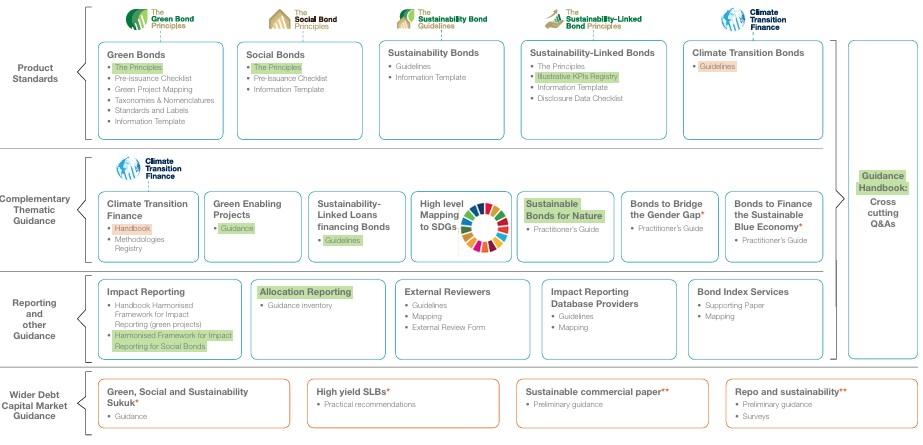
The global energy landscape is undergoing a profound transformation, and nowhere is this more evident than in the financial markets. For years, the oil and gas sector, often labeled “hard-to-abate,” has found itself increasingly excluded from mainstream sustainable finance avenues. Today, a significant shift has occurred with the International Capital Market Association (ICMA) unveiling its new guidance for Climate Transition Bonds (CTBs). This groundbreaking development introduces a dedicated, labeled use-of-proceeds instrument specifically designed to channel capital into climate transition strategies and projects within high-emitting sectors, including oil and gas. This move by ICMA acknowledges the crucial role the sector must play in decarbonization and, more importantly for investors, opens up a massive new funding pathway that could redefine project financing and valuation for energy companies.
Navigating the New Funding Landscape: What CTBs Mean for O&G
The ICMA’s Climate Transition Bond label is a direct response to the market’s inability to sufficiently finance the transition of sectors like fossil fuels, despite their immense capital requirements. Industry estimates suggest that an additional USD 30 trillion is needed to decarbonize just eight high-emission sectors, representing 40% of global GHG emissions, by 2050. CTBs are designed to bridge this gap, sitting alongside existing Green, Social, Sustainability, and Sustainability-linked bonds as a dedicated category. For oil and gas companies, this means a new opportunity to access capital for projects that genuinely contribute to emissions reduction, rather than being sidelined by broader “green” criteria. The guidelines emphasize tangible outcomes: projects must lead to “substantial and quantifiable GHG emissions avoidance, reduction, or removal.” This could include investments in Carbon Capture, Utilisation and Storage (CCUS), carbon removal technologies applied to fossil-based operations, the early retirement and decommissioning of high-emission assets, or strategic fossil-fuel switches, such as transitioning from coal to natural gas.
Market Dynamics and Investor Sentiment: Pricing in Transition
The introduction of CTBs comes at a critical time for energy markets, marked by significant volatility and shifting investor expectations. As of today, Brent Crude trades at $90.38, down a notable 9.07% within the day, fluctuating between a range of $86.08 and $98.97. Similarly, WTI Crude stands at $82.59, experiencing a 9.41% drop. Our proprietary data further highlights this instability, showing Brent crude plummeting from $112.78 just two weeks ago to its current level, a nearly 20% decline. This pronounced downturn underscores the inherent risks and opportunities within the sector and partially explains why OilMarketCap.com readers are intensely focused on future price predictions, with common questions like “what do you predict the price of oil per barrel will be by end of 2026?” and specific performance inquiries such as “How well do you think Repsol will end in April 2026?” The ability for companies to tap into CTB financing could become a crucial differentiator, providing a more stable funding source for long-term strategic projects that can mitigate exposure to commodity price swings and enhance resilience. This new label offers a mechanism for oil and gas majors to fund credible decarbonization pathways, potentially improving their standing with ESG-conscious investors and diversifying their capital base beyond traditional debt and equity markets.
Rigorous Safeguards and Strategic Project Selection
To ensure the integrity and impact of CTBs, ICMA has outlined stringent guidelines for issuers across key areas: Use of Proceeds, Process for Project Evaluation and Selection, Management of Proceeds, and Reporting. For oil and gas companies, this means a clear roadmap for demonstrating genuine commitment to transition. Issuers must present a robust climate transition strategy that their projects contribute to, provide analysis supporting the unfeasibility of lower-carbon alternatives where applicable, and align with sector and market-based taxonomies and decarbonization pathways. Crucially, projects must go beyond “business as usual” emissions mitigation and openly disclose any “carbon lock-in risks,” where assets might continue operating despite the availability of future low-carbon alternatives. This rigorous framework is designed to build investor confidence, ensuring that CTB-funded projects deliver real, quantifiable reductions in greenhouse gas emissions and are not simply “greenwashing” existing operations. For investors, this transparency offers a more secure avenue for contributing to energy transition while potentially gaining exposure to companies poised for long-term sustainability.
Forward Outlook: CTBs and Upcoming Market Catalysts
The advent of CTBs significantly enhances the strategic toolkit available to oil and gas companies as they navigate a complex future. The impact of this new funding channel will unfold against a backdrop of ongoing market events that continually shape investment decisions. The upcoming OPEC+ Joint Ministerial Monitoring Committee (JMMC) and Ministerial Meetings on April 19th and 20th, respectively, are particularly significant. Any shifts in production quotas will directly influence cash flows and capital allocation strategies for major producers, potentially freeing up or constraining funds available for CTB-eligible projects. Similarly, the API Weekly Crude Inventory reports on April 21st and 28th, and the EIA Weekly Petroleum Status Reports on April 22nd and 29th, will offer critical insights into supply-demand balances. Favorable inventory data could bolster investor confidence and improve market sentiment, making it easier for companies to issue new CTBs. Conversely, bearish signals could heighten the urgency for diversification and transition investments. Furthermore, the Baker Hughes Rig Count on April 24th and May 1st will reflect upstream activity levels. A sustained focus on transition projects, supported by CTB funding, could enable companies to strategically reallocate capital, balancing traditional production with forward-looking decarbonization efforts. Investors should closely monitor how these market catalysts interact with companies’ embrace of this new, vital financing mechanism, positioning themselves for opportunities in a sector undergoing profound change.