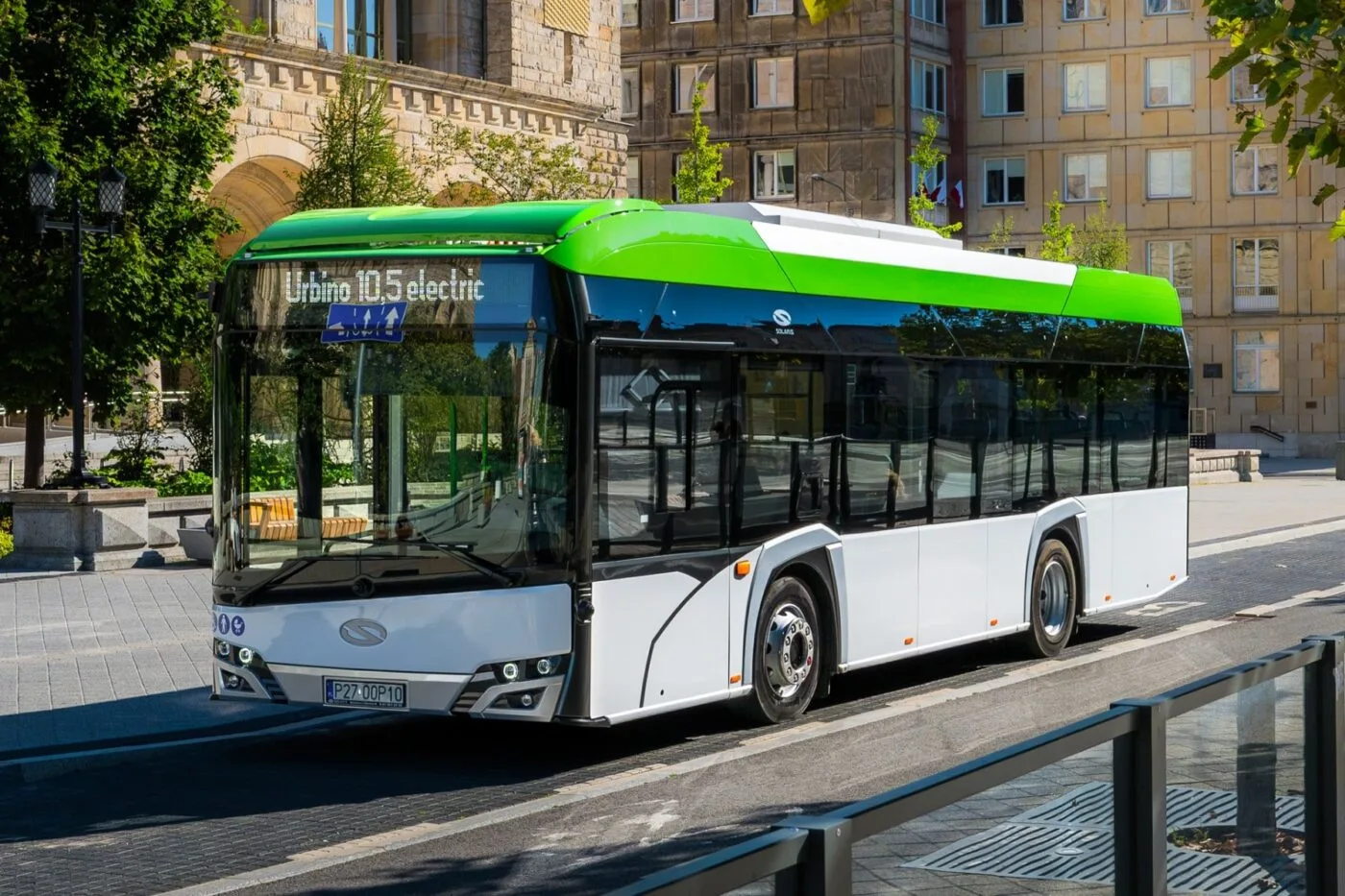
The energy transition continues to reshape demand dynamics across the globe, with the latest developments in electric vehicle (EV) technology consistently challenging long-held assumptions about future oil consumption. While the spotlight often shines on passenger cars, the commercial and public transport sectors are quietly undergoing a profound transformation. The recent debut of Solaris’s Urbino 10.5 electric bus at Busworld underscores this accelerating shift, presenting a tangible example of how advancements in battery technology and vehicle design are eroding demand for traditional refined products, particularly diesel, in urban environments. For oil and gas investors, understanding these micro-level shifts in transportation is crucial for anticipating macro-level impacts on crude prices and long-term investment strategies.
Immediate Market Reaction Amidst Long-Term Demand Fears
The global crude oil market is currently navigating significant headwinds, with prices experiencing notable volatility. As of today, Brent crude trades at $90.38 per barrel, marking a sharp decline of 9.07% within the day’s range of $86.08 to $98.97. Similarly, WTI crude has fallen to $82.59, down 9.41% from its previous close, fluctuating between $78.97 and $90.34. This immediate downturn follows a broader trend; our proprietary data pipelines show Brent crude has shed $22.4, or nearly 20%, since March 30th, when it stood at $112.78. This pronounced correction reflects a confluence of factors, including macroeconomic concerns and, crucially, an increasing awareness of long-term demand destruction driven by electrification. While today’s specific movements might be influenced by broader market sentiment or inventory data, the persistent march of EV adoption, exemplified by innovations like the new Urbino electric bus, adds a foundational layer of uncertainty to future oil demand projections, directly impacting refined product markets like gasoline, which is also down today at $2.93.
Electric Bus Advancements Signal Deeper Diesel Demand Erosion
Solaris’s new Urbino 10.5 electric bus is more than just another vehicle; it represents a significant leap in electric public transport capabilities, directly impacting urban diesel consumption patterns. Designed for maneuverability in city centers, this 10.5-meter compact bus boasts an impressive range of approximately 600 kilometers on a single charge. This range is achieved through high-energy batteries, with configurations offering over 400 kWh capacity, building on the success of the updated Urbino 12 electric, which also offers a 600-kilometer range with a 600 kWh battery. The ability to carry up to 85 passengers, coupled with flexible charging via plug or pantograph, makes this a highly competitive alternative to traditional diesel-powered counterparts. The continuous improvement in battery technology, with ICPT supplying ready-to-install battery systems and CATL providing LFP cells, ensures these vehicles are becoming increasingly viable for widespread deployment. Each such bus deployed directly displaces thousands of gallons of diesel annually, accumulating into a substantial reduction in refined product demand over time. For oil and gas investors, this signifies a structural, rather than cyclical, erosion of a key market segment.
Navigating Upcoming Events Amidst Evolving Demand Landscape
The accelerating pace of EV adoption, even in specialized segments like public transit, adds a critical dimension to the upcoming energy market events. Investors are keenly watching how major producers will react to these evolving demand signals, especially given the recent price volatility. The OPEC+ Ministerial Meeting scheduled for April 19th is paramount. With Brent crude having dropped nearly 20% in two weeks, the group faces renewed pressure to assess market stability. Our proprietary reader intent data reveals that “What are OPEC+ current production quotas?” is a top question this week, highlighting investor focus on potential supply adjustments. Any decision on production levels will be made against a backdrop of not just current inventory figures, but also the long-term threat of electrification. Furthermore, the API Weekly Crude Inventory reports on April 21st and 28th, along with the EIA Weekly Petroleum Status Reports on April 22nd and 29th, will provide crucial real-time insights into U.S. supply and demand. The Baker Hughes Rig Count on April 24th and May 1st will indicate North American production trends. While these events typically focus on short-term balances, the underlying current of demand destruction from EVs will inevitably influence strategic thinking and market sentiment over the medium to long term.
Investor Outlook: Pricing in the Electric Transition
Our proprietary reader intent data shows investors are increasingly focused on the future trajectory of crude prices, with questions like “What do you predict the price of oil per barrel will be by end of 2026?” becoming more prevalent. This reflects a fundamental re-evaluation of oil’s long-term value proposition. The continued proliferation of highly capable electric buses, as exemplified by Solaris’s latest offering, directly contributes to this uncertainty. As urban fleets transition, the aggregate demand for diesel will steadily decline, creating a structural headwind for refiners and crude producers alike. While the immediate impact of a single bus model is negligible, the cumulative effect of thousands of such deployments globally, supported by robust supply chains from battery cell manufacturers like CATL, paints a clear picture of future demand erosion. Oil and gas investors must factor in this accelerating electrification trend, not as a distant threat, but as an active and ongoing force shaping market dynamics, influencing everything from upstream investment decisions to the long-term viability of refining assets. Strategic allocations should increasingly consider the resilience of portfolios against a future where significant segments of transportation demand are permanently decoupled from fossil fuels.