The energy landscape is undergoing a profound transformation, with electrification emerging as a dominant force reshaping demand across various sectors. While the immediate focus for many oil and gas investors remains on geopolitical events, OPEC+ decisions, and inventory shifts, it is crucial to recognize the accelerating pace of technological innovation in electric mobility. Recent advancements from companies like Kiepe Electric, particularly in high-performance electric bus solutions, serve as a potent reminder of the long-term structural pressures building against fossil fuel demand, particularly for refined products like diesel.
Electric Buses: A Growing Headwind for Diesel Demand
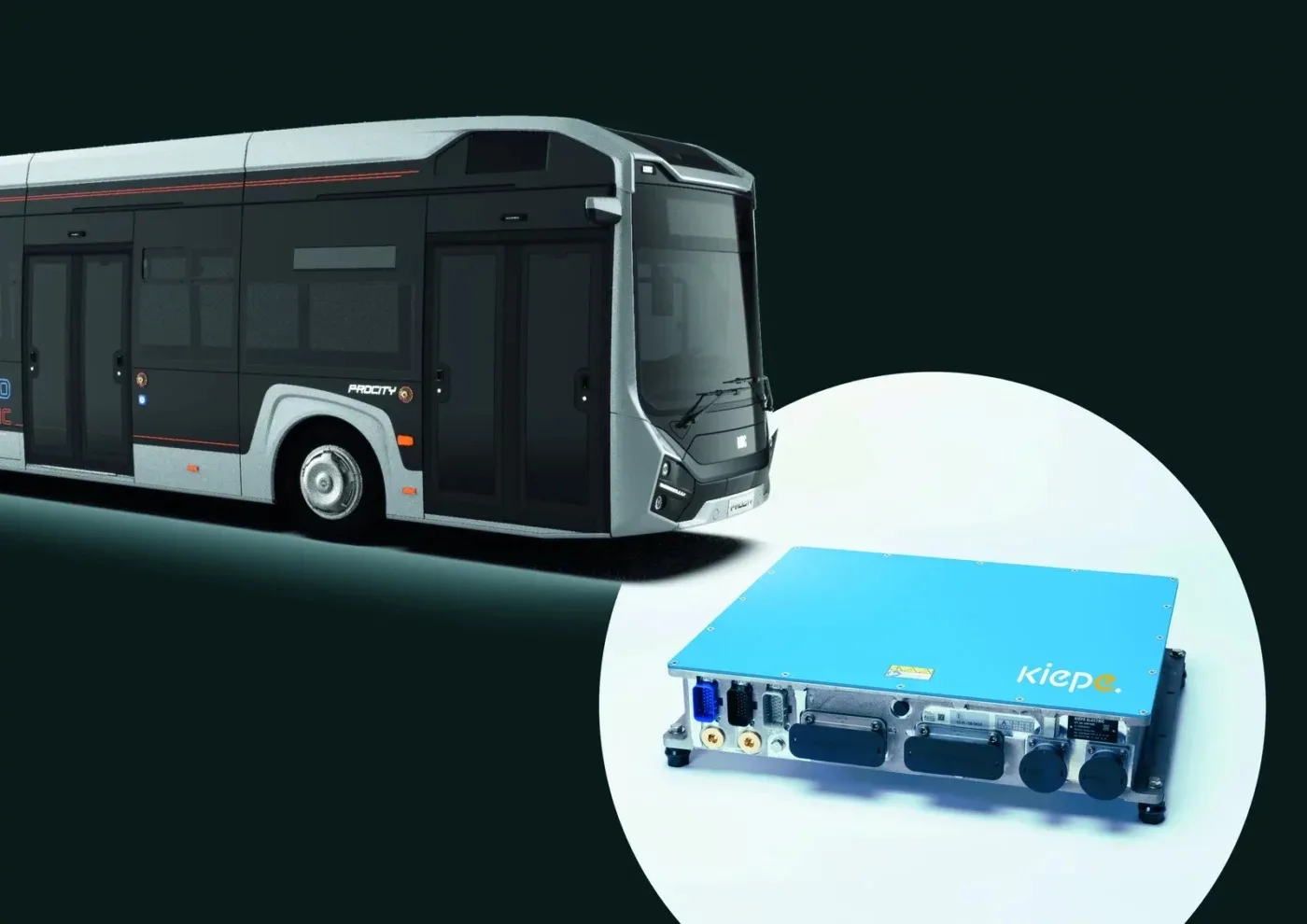
Kiepe Electric’s unveiling of new drive and platform solutions for electric buses, showcased at events like Busworld Europe 2025, represents a significant leap forward in urban public transport electrification. At the heart of these innovations is the latest-generation Kiepe Traction Inverter (KTI), already integrated into new models like the “PROCITY+ EV” series from Turkish manufacturer BMC. The “PROCITY+12 EV,” featuring the Kiepe eDrive Unit developed with VEM, boasts an impressive range of up to 490 kilometers and rapid charging capabilities of up to 400 kW. These metrics are critical; they directly address previous concerns about range anxiety and operational uptime for electric fleets, making them increasingly competitive with traditional diesel buses.
Further strengthening the case for electrification is the modular “eBus HPC Powertrain Platform.” This comprehensive solution, adaptable for buses up to 36 meters, offers charging capacities up to a staggering 810 kW, enabling virtually continuous 24/7 operation. Such efficiency means battery capacities can be optimized, reducing vehicle weight and increasing passenger space, all while improving overall energy consumption. Moreover, the trolleybus upgrade package, which effortlessly converts existing battery buses into trolleybuses via components like the Kiepe Isolating Converter (KIC) and Kiepe Smart Current Collector (KSC), introduces unprecedented flexibility in power sourcing. These innovations are not mere incremental improvements; they are foundational shifts that directly erode the market share of diesel-powered urban transport, signaling a sustained, long-term decline in demand for a key refined product.
Oil Market Volatility Amidst Structural Shifts: An Investor’s Dilemma
While the long-term energy transition narrative gains momentum, oil and gas investors are currently grappling with immediate market volatility. As of today, Brent crude trades at $90.38 per barrel, representing a significant 9.07% decline from its daily open. Similarly, WTI crude has fallen to $82.59, down 9.41% over the same period. This recent dip continues a broader trend, with Brent having shed 18.5% over the last two weeks, plummeting from $112.78 on March 30th to $91.87 just yesterday. The price of gasoline has also followed suit, currently standing at $2.93, a 5.18% decrease today. This sharp correction underscores the delicate balance of supply, demand, and sentiment that defines the current market environment.
Many of our readers are keenly asking about the future trajectory of oil prices, with queries like “what do you predict the price of oil per barrel will be by end of 2026?” or “What are OPEC+ current production quotas?” This immediate uncertainty is a testament to the complex interplay of factors at play. While the daily movements are often driven by short-term supply-demand imbalances and geopolitical headlines, the advancements in electric mobility, exemplified by Kiepe Electric, are quietly but steadily chipping away at the demand floor for fossil fuels. Investors must navigate this dual reality: managing immediate market risks while strategically positioning portfolios for a future with evolving energy consumption patterns.
Navigating the Future: OPEC+, Inventories, and the Pace of Electrification
Forward-looking analysis for oil and gas investors must carefully weigh the impact of both immediate catalysts and long-term structural shifts. The upcoming OPEC+ Joint Ministerial Monitoring Committee (JMMC) meeting on April 18th, followed by the Full Ministerial meeting on April 19th, will be critical in shaping near-term supply expectations and, consequently, price movements. Market participants will be closely scrutinizing any signals regarding production quotas, which are a frequent subject of investor inquiry. Alongside these high-level decisions, weekly inventory reports, such as the API Crude Inventory on April 21st and the EIA Weekly Petroleum Status Report on April 22nd, will provide granular insights into market tightness and refinery activity.
However, the strategic investor must look beyond these immediate data points. The accelerating adoption of technologies like Kiepe Electric’s eBus solutions, which enable extended range, rapid charging, and continuous operation, directly translates into reduced demand for diesel. While the Baker Hughes Rig Count, released on April 24th and May 1st, offers a snapshot of upstream activity, it exists within a larger context where downstream demand for refined products is increasingly under pressure from electrification. The long-term price outlook for oil will not only be dictated by OPEC+ policy or shale output but also, fundamentally, by the rate at which electric alternatives penetrate transport and industrial sectors. Investors seeking to understand the “data sources EnerGPT uses” for market analysis should recognize that these include both the traditional supply-demand metrics and the emerging trends in clean energy adoption.
Strategic Implications for Upstream and Downstream Portfolios
For oil and gas companies, the implications of advanced electric mobility solutions are twofold. For upstream players, a sustained erosion of demand, even if gradual, puts downward pressure on long-term price forecasts and necessitates a disciplined approach to capital allocation, favoring low-cost, high-return projects. The increasing efficiency and flexibility of electric buses mean that the peak demand for certain refined products could arrive sooner than some models predict, forcing a re-evaluation of exploration and development strategies.
Downstream operators, particularly refiners, face a direct and immediate challenge. As urban centers transition to electric public transport, the demand for diesel will inevitably shrink. Companies with significant exposure to refined products for heavy-duty transport may need to pivot towards biofuels, hydrogen production, or other alternative energy ventures to maintain relevance. Kiepe Electric’s innovations underscore that the energy transition is not a distant aspiration but a rapidly unfolding reality, making diversification and strategic adaptation paramount for oil and gas investors aiming to secure long-term value in a decarbonizing world.