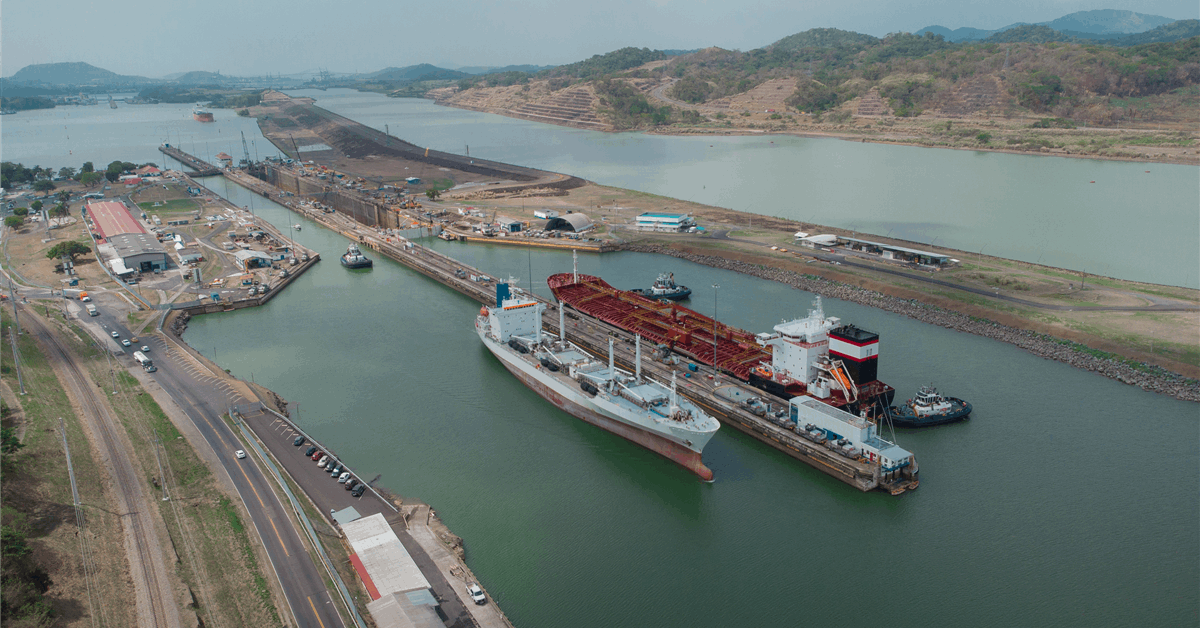
The global energy landscape is constantly evolving, driven by shifting demand, geopolitical currents, and an accelerating push towards decarbonization. Against this backdrop, the Panama Canal Authority (ACP) is undertaking a dual strategic initiative set to significantly reshape global energy logistics and maritime shipping practices. By launching the concessionaire selection process for a major new energy pipeline and simultaneously introducing its innovative “NetZero Slot” reservation system, the ACP is positioning the vital waterway at the nexus of efficiency and sustainability. For energy investors, these developments signal both substantial infrastructure opportunities and a clear indication of where future value in the shipping and commodity trade sectors will lie.
Panama Canal’s Strategic Energy Corridor Takes Shape
The Panama Canal’s planned interoceanic energy corridor represents a monumental infrastructure play designed to optimize the transportation of critical energy products. The centerpiece of this vision is a new 47-mile (76-kilometer) pipeline, boasting an impressive transfer capacity of up to 2.5 million barrels per day. This infrastructure, supported by new maritime terminals on both the Atlantic and Pacific sides, is specifically engineered to facilitate the movement of propane, butane, and ethane between the Gulf of Mexico and Northeast Asia. The strategic implications are profound: by bypassing the canal itself for these specific energy flows, the project aims to dramatically reduce vessel wait times, free up existing canal capacity for other cargo, and enhance the canal’s overall long-term reliability and competitiveness without increasing water usage. The initial marketing event has already drawn significant attention from global energy heavyweights, with over 45 representatives from companies like Energy Transfer, ExxonMobil, Shell, Phillips 66, Targa Resources, and Vitol expressing interest. This level of engagement underscores the perceived value and strategic importance of this project. With the tender projected for the second quarter of 2026, investors should closely monitor the selection process for potential partnership opportunities and future equity plays in the winning concessionaires.
Navigating Market Volatility and Future Oil Price Trajectories
While the long-term outlook for energy infrastructure in critical choke points like the Panama Canal remains robust, investors must operate within the context of current market realities. As of today, Brent Crude trades at $90.38 per barrel, marking a significant 9.07% decline from its opening. Similarly, WTI Crude has fallen by 9.41% to $82.59, while gasoline prices have dipped to $2.93. This recent market weakness extends a broader trend, with Brent having shed over $20 per barrel, or 18.5%, since March 30th. Such volatility naturally leads investors to question the future, with a common query being, “what do you predict the price of oil per barrel will be by end of 2026?”
While no one possesses a crystal ball, the Panama Canal pipeline project directly addresses a key component of the supply-demand equation for specific refined products. By creating a more efficient, dedicated pathway for LPG and NGLs, it mitigates logistical bottlenecks that can contribute to price premiums in regional markets. The sheer scale of its 2.5 million bpd capacity suggests a meaningful impact on global trade flows for these commodities. However, the broader crude market outlook by 2026 will also be heavily influenced by macroeconomic growth, geopolitical stability, and, critically, the decisions made by major producers. The current market snapshot serves as a stark reminder that even transformative infrastructure projects are evaluated against a backdrop of dynamic commodity price risk, making careful due diligence on the project’s economics and long-term demand projections paramount.
Decarbonization at Sea: The NetZero Slot and Investor Focus
Beyond optimizing physical energy flows, the Panama Canal Authority is making a definitive move towards environmental sustainability with the introduction of its “NetZero Slot.” This new category within the canal’s transit reservation system is designed to encourage the decarbonization of maritime shipping, aligning with the ACP’s commitment to achieving net-zero emissions by 2050. The NetZero slot offers compelling benefits to eligible customers, including the flexibility to select a preferred transit date within an assigned week, guaranteed transit within 24 hours, and the ability to exchange or substitute vessels. To qualify, vessels must be registered as dual-fuel and capable of operating on at least one fuel with a carbon intensity factor equal to or less than 75 gCO₂e/MJ, encompassing fuels like green methanol, green ammonia, bio-LNG, or bio-LPG.
This initiative resonates deeply with investor sentiment, particularly as questions around ESG (Environmental, Social, and Governance) performance and future-proofing portfolios become increasingly central. Our proprietary data indicates a growing investor interest in sustainable energy solutions and the impact of decarbonization policies on traditional oil and gas sectors. The NetZero Slot provides a tangible incentive for shipping companies to invest in cleaner vessel technologies, creating new demand channels for alternative fuels and potentially accelerating the transition away from conventional bunker fuels. While immediate use of these low-carbon fuels isn’t mandated, the canal’s recognition of the investment and operational capacity signals a clear direction. For investors, this means evaluating shipping companies based not just on current fleet efficiency, but on their strategic investments in dual-fuel capabilities and their long-term decarbonization pathways to capitalize on such preferential access mechanisms.
Upcoming Events to Watch: OPEC+ and Pipeline Milestones
For investors tracking the global energy markets, the coming weeks and months present several critical junctures that will shape both commodity prices and the investment landscape for projects like the Panama Canal pipeline. This weekend, the focus turns sharply to the OPEC+ Joint Ministerial Monitoring Committee (JMMC) meeting on April 18th, immediately followed by the Full Ministerial OPEC+ Meeting on April 19th. These gatherings are pivotal, as decisions on production quotas directly impact global supply and, consequently, crude oil prices. A frequent question from our readership is, “What are OPEC+ current production quotas?”, underscoring the market’s acute sensitivity to these announcements. Any adjustments to output levels could either exacerbate or alleviate the current downward pressure on prices, directly influencing the economic models for long-term energy infrastructure investments.
Further market signals will emerge from the API Weekly Crude Inventory report on April 21st and the EIA Weekly Petroleum Status Report on April 22nd, providing crucial insights into U.S. supply and demand dynamics. These, alongside the Baker Hughes Rig Count on April 24th, offer a timely pulse on upstream activity. Looking further ahead, the Panama Canal’s projection for the pipeline concessionaire tender in the second quarter of 2026 represents a major milestone. The selection of a concessionaire, likely a consortium of the interested parties, will unlock significant engineering, procurement, and construction (EPC) opportunities, offering a fresh avenue for investors seeking exposure to large-scale, strategic energy infrastructure development in a vital global trade artery.


