Hong Kong’s Taxonomy Shift: A New Blueprint for Energy Transition Capital
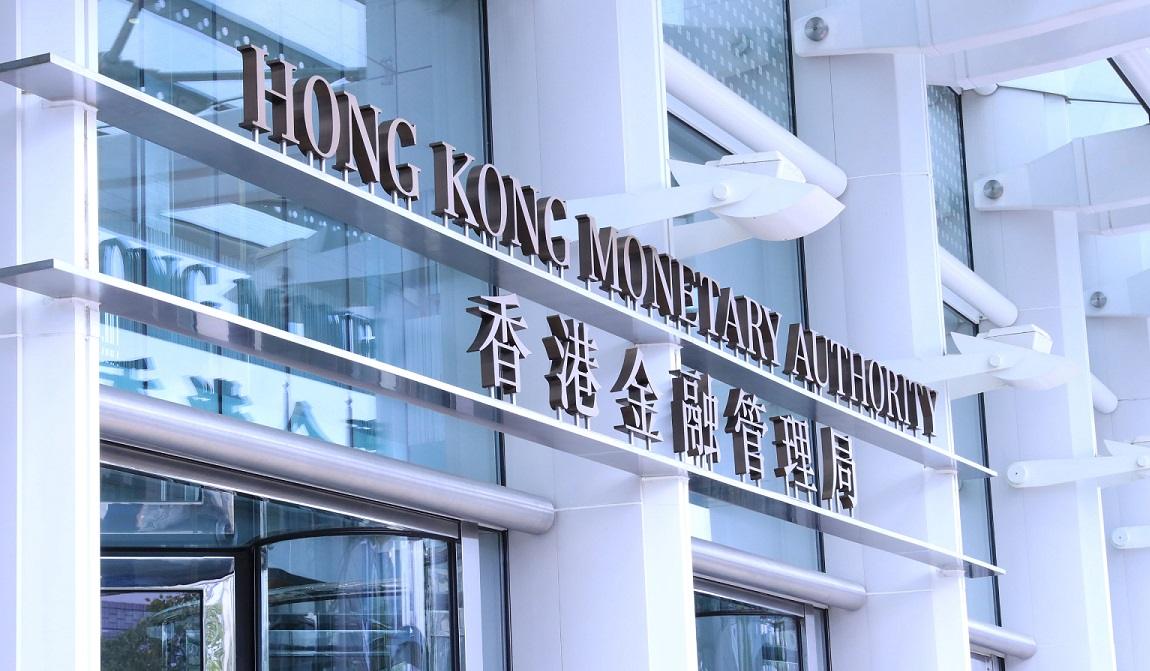
The Hong Kong Monetary Authority (HKMA) has unveiled a significant expansion to its Sustainable Finance Taxonomy, moving beyond strictly “green” classifications to embrace “transition activities.” This strategic pivot is a game-changer for capital allocation, particularly for high-emitting sectors like energy and manufacturing. By providing a clear framework for identifying and financing the decarbonization journeys of these industries, Hong Kong is positioning itself as a crucial hub for channeling investment into the complex, multi-decade effort to achieve global net-zero targets. This move is not merely an administrative update; it represents a pragmatic understanding that real-world decarbonization requires significant capital for industries that cannot simply switch to zero-emission overnight, opening new avenues for investors seeking impact and returns within the evolving energy landscape.
Unlocking Transition Finance for Carbon-Intensive Industries
The HKMA’s decision to broaden its Taxonomy to include transition elements is a direct response to the urgent need to drive the decarbonization of the real economy. Previously focused on purely green initiatives, the framework now explicitly targets mobilizing finance for carbon-intensive activities that are on a “time-bound decarbonization journey” towards a 1.5°C trajectory and ultimately net-zero by 2050. This is particularly relevant for the energy sector, which has been allocated a sunset date of 2035 for its transition activities, acknowledging the need for technological development and substantial investment in emissions-reducing solutions. The maritime sector, for instance, faces an earlier deadline of 2030, aligning with international shipping standards. This phased, sector-specific approach provides clarity and a tangible timeline for investors, enabling them to evaluate and deploy capital into projects that may not be fully “green” today but are demonstrably committed to a low-carbon future. The expansion also brings in new sectors like manufacturing and information & communications technology, alongside 13 new categories such as electricity transmission and distribution, further diversifying the investable universe for energy-focused capital.
Market Realities and the Push for Sustainable Capital
The urgency for clear frameworks like Hong Kong’s Taxonomy is underscored by the current volatility in global energy markets. As of today, Brent crude trades at $98.23, reflecting a 1.17% dip from its opening, with a day range between $97.92 and $98.67. Similarly, WTI crude has seen a 1.36% decline, settling at $89.93, fluctuating between $89.57 and $90.26. This recent softening is part of a broader trend, with Brent having shed approximately $14, or 12.4%, from its $112.57 perch just three weeks ago. Such price fluctuations highlight the short-term complexities influencing traditional oil and gas investments. However, the long-term structural shift towards energy transition continues unabated. Investors are increasingly seeking clarity on how to navigate this duality, often asking about the underlying models powering our market data or the current Brent price. The HKMA’s updated Taxonomy provides a crucial tool in this context, offering a standardized approach to assess and invest in projects that balance environmental imperatives with economic growth, thereby reducing “greenwashing” risks and aligning capital with verifiable climate goals, irrespective of daily commodity price movements.
Strategic Pathways for Oil & Gas Investment Amidst Transition
For traditional oil and gas companies, this expanded Taxonomy represents both a challenge and a significant opportunity. The 2035 sunset date for energy sector transition activities provides a critical window for companies to re-evaluate their asset portfolios, invest in carbon capture, hydrogen production, or other emissions-reducing technologies, and pivot towards more sustainable practices. Securing “transition finance” under this new framework could become a competitive advantage, enabling conventional energy players to access a broader pool of capital for their decarbonization efforts. This is particularly relevant as the industry gears up for key upcoming events. With the OPEC+ Joint Ministerial Monitoring Committee (JMMC) meeting scheduled for April 18th, followed by the full Ministerial meeting on April 20th, and regular EIA Weekly Petroleum Status Reports slated for April 22nd and 29th, the market is constantly recalibrating supply-demand dynamics. While these events dictate short-term pricing and production quotas—a frequent topic of inquiry among our readers—the long-term capital flows unlocked by initiatives like the HKMA’s Taxonomy will increasingly shape the strategic direction and viability of energy companies, encouraging investments in infrastructure for transmission, distribution, and other low-carbon solutions that expand beyond mere extraction.
Investor Focus: Beyond Production Quotas to Broader Energy Ecosystems
Our proprietary reader intent data reveals a consistent focus among investors on the fundamentals of the oil market, including inquiries about current OPEC+ production quotas and the underlying data sources powering our market responses. This reflects a persistent demand for transparent and reliable information on the traditional energy landscape. However, the HKMA’s move signals a broader evolution in what constitutes a viable “energy investment.” The inclusion of 13 new categories, spanning areas like district heating and cooling, and the expansion into sectors beyond power generation and transportation, indicates a maturing view of the energy transition. Investors are now looking at the entire energy ecosystem, from generation and transmission to end-use efficiency and industrial decarbonization. This refined taxonomy offers a clear pathway for investors to participate in this broader shift, providing the much-needed clarity to differentiate genuine transition efforts from superficial green claims. For sophisticated investors, understanding frameworks like Hong Kong’s will be paramount in identifying value, managing risk, and allocating capital effectively across the increasingly diverse spectrum of energy investments.


