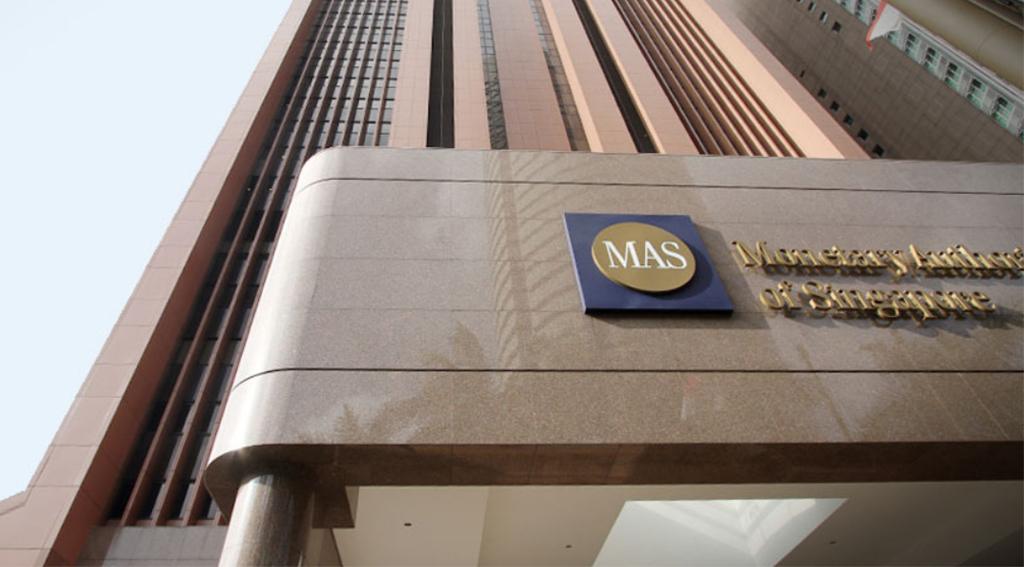
Singapore Green Infra Fund: A $500M Signal for Oil & Gas Investors
The recent announcement of the Green Investments Partnership (GIP) securing an initial $510 million in commitments marks a significant inflection point for energy investors. Managed by Pentagreen Capital, a collaboration between HSBC and Temasek, this blended finance initiative aims to channel substantial capital into sustainable infrastructure across Southeast and South Asia. For oil and gas investors, this isn’t just news from a distant financial hub; it’s a powerful signal of accelerating capital reallocation that demands strategic consideration. While traditional energy markets continue to navigate their own dynamics, the success of funds like GIP underscores a structural shift in global finance, directly impacting the long-term investment thesis for fossil fuels.
Blended Finance: De-Risking the Green Transition in Asia
The Green Investments Partnership, a cornerstone of Singapore’s broader Financing Asia’s Transition Partnership (FAST-P), has reached its first close with $510 million dedicated to climate-related infrastructure. This initiative exemplifies the growing trend of blended finance, which strategically combines public, philanthropic, and private capital to unlock investments in projects deemed “marginally bankable.” The fund’s focus areas – renewable energy, electric vehicle infrastructure, sustainable transport, and water and waste management – are critical pillars of the energy transition. By deploying debt financing with tiered capital structures, GIP effectively mitigates perceived risks, making these projects more attractive to private investors. This model is crucial for regions like Southeast and South Asia, which face a substantial climate finance gap but also represent significant growth opportunities for green infrastructure. For oil and gas investors, the implications are clear: a dedicated and increasingly sophisticated financial ecosystem is actively building out the alternatives to traditional energy, potentially eroding future demand and shifting long-term capital away from conventional assets.
Market Volatility vs. Structural Shifts: The Investor’s Dilemma
Amidst the fanfare of green investment, the traditional energy markets continue their characteristic volatility. As of today, Brent crude trades at $98.51 per barrel, reflecting a modest decrease of 0.89% within a day’s range of $97.92-$98.58. WTI crude follows a similar pattern, priced at $90.18, down 1.09%. This short-term fluctuation is part of the daily rhythm of oil markets. However, zooming out reveals a more significant trend: Brent crude has seen a notable decline of over 12% in the last 14 days, dropping from $112.57 to $98.57. This contrast highlights a critical challenge for investors: how to reconcile the immediate, often unpredictable swings in crude prices with the steady, multi-billion-dollar flow of capital into green infrastructure. While geopolitical tensions or supply disruptions can temporarily prop up oil prices, funds like GIP represent a strategic, long-term capital allocation that is fundamentally reshaping the energy landscape. The $510 million commitment to de-risk green projects in Asia, a region historically vital for fossil fuel demand growth, offers a counter-narrative to short-term crude market dynamics, signaling a durable shift in investment priorities that cannot be ignored.
Navigating the Evolving Energy Landscape: What Investors Are Asking
Our proprietary reader intent data reveals that investors are keenly focused on understanding market dynamics and leveraging advanced tools for insight. Common questions revolve around current Brent crude prices, OPEC+ production quotas, and the data sources powering our analytical platforms. This intense focus on real-time market data and underlying mechanisms underscores an urgent need for clarity in a complex energy environment. The success of the Green Investments Partnership directly intersects with these investor inquiries. While questions about OPEC+ quotas and crude pricing address immediate supply-demand fundamentals, the GIP’s $510 million fund highlights a parallel, equally powerful force: the growing investment in demand-side alternatives. Investors are not just asking “What is the current Brent price?” but implicitly “How does this price interact with the accelerating transition?” The capital now committed to renewable energy and sustainable infrastructure projects in Asia provides a concrete answer to the evolving investment thesis, demonstrating that significant funds are being deployed to build an energy future less reliant on fossil fuels. Understanding both traditional market drivers and the burgeoning green finance ecosystem is paramount for informed investment decisions.
Upcoming Events and Long-Term Strategic Positioning
The coming weeks are packed with critical events that will undoubtedly influence short-term energy market sentiment. The Baker Hughes Rig Count reports on April 17th and 24th will provide insights into drilling activity, while the API and EIA Weekly Petroleum Status Reports on April 21st, 22nd, 28th, and 29th will offer crucial updates on crude and product inventories. Most significantly, the OPEC+ Joint Ministerial Monitoring Committee (JMMC) meets on April 18th, followed by the Full Ministerial Meeting on April 20th. These OPEC+ discussions are pivotal for near-term supply expectations and, consequently, crude pricing. However, for investors positioning for the next decade, the long-term strategic implications of funds like GIP are arguably more profound. While an OPEC+ decision might move the market by a few dollars, the GIP’s $510 million, focused on tangible green infrastructure, represents a structural shift in capital allocation. Savvy oil and gas investors must therefore adopt a dual perspective: tactically navigating the immediate market reactions to OPEC+ pronouncements and inventory data, while simultaneously assessing how substantial green infrastructure investments, like those in Southeast and South Asia, are reshaping the fundamental demand outlook for fossil fuels over the next several years. The future of energy investing will be defined by an ability to balance these divergent forces.


