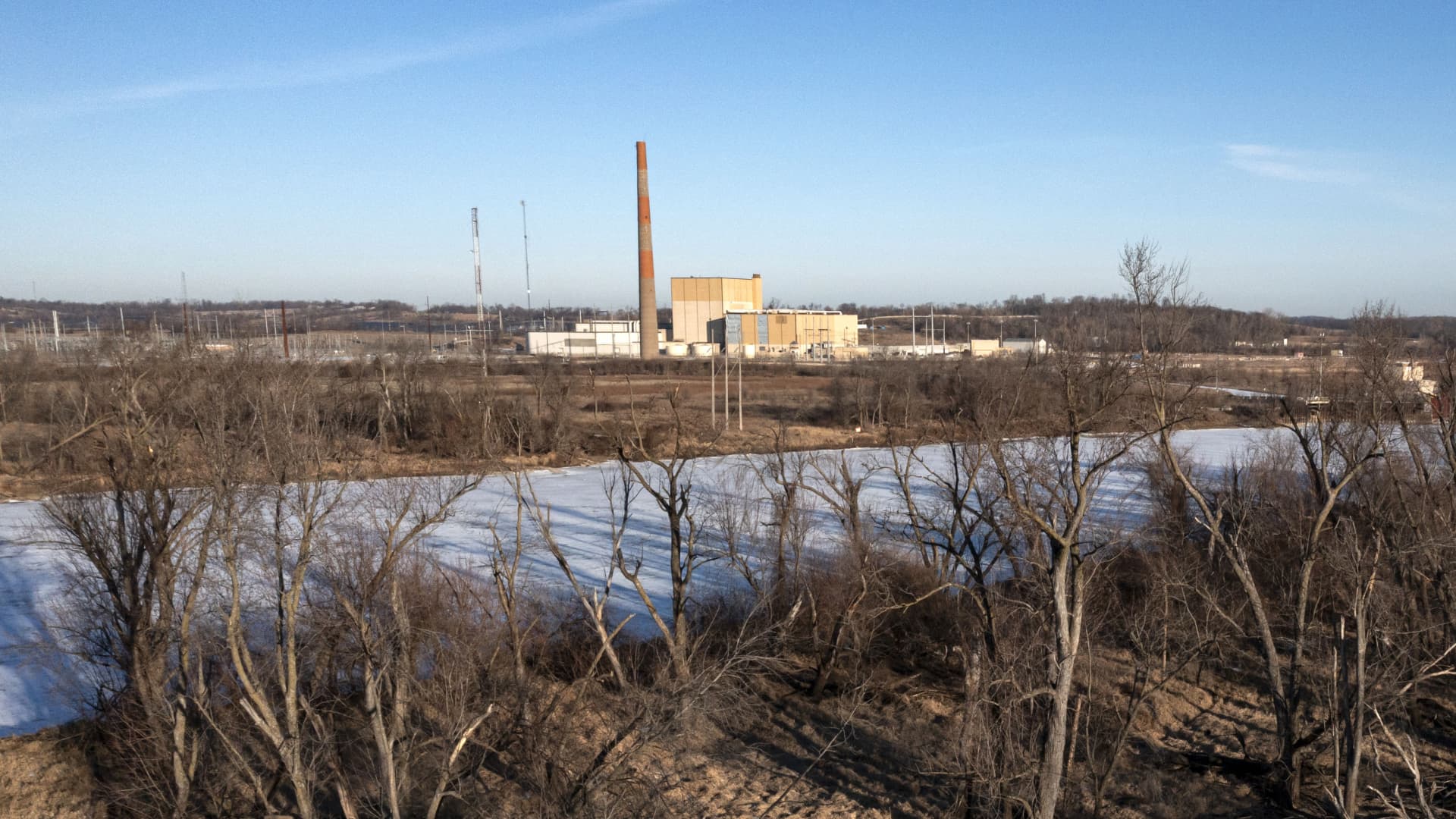
The energy landscape is undergoing a profound transformation, driven by an unexpected surge in electricity demand from the artificial intelligence sector. This seismic shift is not only reshaping power generation strategies but also creating ripples across the broader oil and gas markets, demanding fresh analysis from savvy investors. Historically, nuclear power struggled against the economics of cheap natural gas and the rise of renewables, leading to the mothballing of several reactors. Now, however, the script has flipped. Facilities like the Duane Arnold nuclear plant in Iowa, alongside Palisades in Michigan and Three Mile Island in Pennsylvania, are charting a course for restart, signaling a significant pivot in energy policy and investment focus. This re-evaluation of nuclear’s role, spurred by tech giants seeking reliable, high-capacity, and low-carbon power for their burgeoning data centers, presents both challenges and opportunities for the traditional fossil fuel sector.
AI’s Insatiable Hunger Ignites Nuclear Revival
The primary catalyst for this nuclear resurgence is the explosive growth of artificial intelligence and its corresponding demand for colossal amounts of electricity. Data centers, the backbone of AI operations, are voracious power consumers, and companies are actively seeking stable, high-capacity generation sources. NextEra Energy, owner of the Duane Arnold plant, is strategically positioning itself to meet this demand, aiming to secure lucrative power purchase agreements (PPAs) similar to Microsoft’s support for the Three Mile Island restart. Duane Arnold, which ceased operations in 2020 for economic reasons, is now targeted for a restart by the fourth quarter of 2028 at the earliest, subject to Nuclear Regulatory Commission approval, following a crucial Federal Energy Regulatory Commission (FERC) approval last week to reconnect to the grid. The plant is expected to contribute over 600 megawatts of electricity, enough to power more than 400,000 homes, directly feeding into the burgeoning data center activity in regions like Iowa. NextEra CEO John Ketchum aptly describes these restart projects as “unicorn opportunities” given they bypass the prohibitive costs and lengthy timelines associated with new nuclear construction, offering a relatively swift solution to an urgent power need.
Natural Gas Market Dynamics Under Scrutiny
The return of significant baseload nuclear capacity has direct implications for the natural gas market, which has long been the dominant flexible fuel for power generation. While the source article highlights that nuclear previously struggled against “cheap natural gas,” the current environment sees nuclear re-emerging as a competitive alternative, particularly for continuous, high-volume power demands from AI. This shift could lead to a re-evaluation of natural gas’s role in the power stack, potentially reducing its long-term growth trajectory in electricity generation, especially in regions benefiting from nuclear restarts. For investors holding significant positions in natural gas producers or infrastructure, understanding this evolving dynamic is critical. The increased reliability and carbon-free nature of nuclear power make it an attractive proposition for companies with ambitious sustainability goals, further putting pressure on fossil-fuel-based alternatives in the power sector. The pivot towards nuclear for grid stability and high-capacity provision for AI could temper future demand growth for natural gas in specific regional electricity markets, requiring natural gas producers to seek alternative demand vectors or brace for potentially slower growth.
Crude Volatility and Investor Sentiment Amidst Energy Transition
The broader energy market is currently navigating a period of significant volatility, underscoring the complexities of the global supply-demand balance and geopolitical factors. As of today, Brent crude trades at $90.38 per barrel, reflecting a notable 9.07% decline within the day, with its intra-day range stretching from $86.08 to $98.97. Similarly, WTI crude has seen a substantial drop of 9.41%, settling at $82.59, moving within a daily range of $78.97 to $90.34. This recent downturn is part of a more significant trend for Brent, which has fallen by 18.5% over the past 14 days, from $112.78 on March 30th to $91.87 just yesterday. Gasoline prices have also eased, trading at $2.93, down 5.18% on the day. Our proprietary investor intent data highlights a pervasive uncertainty among market participants, with many actively asking about the predicted oil price per barrel by the end of 2026. This forward-looking concern reflects a complex interplay of traditional supply-side pressures, evolving global demand scenarios, and the broader implications of energy transition initiatives like the nuclear revival. While nuclear power directly impacts electricity generation rather than crude oil consumption, the broader narrative of shifting energy sources and increased grid stability through non-fossil fuels contributes to the overall sentiment shaping investor outlook on all hydrocarbons.
Forward Outlook: Key Events Shaping Oil & Gas Markets
The coming weeks are packed with critical events that will undoubtedly influence crude and natural gas prices, providing investors with necessary data points to refine their strategies. The immediate focus is on the OPEC+ Joint Ministerial Monitoring Committee (JMMC) meeting scheduled for tomorrow, April 18th, followed by the full OPEC+ Ministerial Meeting on April 19th. These meetings are paramount, as our reader-question signals indicate a strong investor interest in understanding OPEC+’s current production quotas and future policy direction. Any decisions regarding output levels will directly impact global supply and could either exacerbate or mitigate the current price declines. Beyond OPEC+, the market will closely monitor weekly inventory data, with the API Weekly Crude Inventory reports due on April 21st and 28th, and the official EIA Weekly Petroleum Status Reports on April 22nd and 29th. Significant builds in U.S. crude or product inventories could put further downward pressure on prices, while unexpected drawdowns might offer some support. Furthermore, the Baker Hughes Rig Count on April 24th and May 1st will provide crucial insights into North American drilling activity, signaling potential future supply trends. As the energy matrix continues to evolve with the strategic re-entry of nuclear power to serve AI demand, these traditional oil and gas market indicators must be viewed through a lens that acknowledges the accelerating energy transition and the diversification of power sources. Investors must adapt to a landscape where technological demand drivers are rapidly reshaping the fundamental economics of energy, requiring a nuanced understanding of both immediate market catalysts and long-term structural shifts.